Kanazawa’s Omicho Market is one of those rare places where the rush of modern life fades into the background, replaced by a rhythm that feels both unhurried and timeless. The narrow aisles between stalls, the scent of saltwater and seaweed, the calls of vendors greeting regulars—it all weaves together into something far more than a marketplace. This is a place where the city’s daily life unfolds in its most unfiltered form, where every stall and shop carries its own quiet history, passed down through generations.
The market’s origins stretch back to the Edo period, when Kanazawa thrived under the rule of the Maeda clan. What began as an informal gathering of fishermen and farmers along the Asano River gradually grew into a permanent fixture of the city. Over centuries, it expanded, its wooden structures weathering time while retaining the essence of an era when trade was as much about community as it was about commerce. Today, Omicho stands as one of Japan’s oldest and largest covered markets, a living relic of a slower, more connected way of life.
The architecture here is unassuming, built for function rather than spectacle. Low-slung buildings with tiled roofs line the winding alleys, their facades adorned with hand-painted signs advertising everything from fresh catch to seasonal vegetables. Inside, stalls press closely together, their counters arranged at eye level for easy browsing. There’s no grand design, just a practical layout that makes it effortless to move from one vendor to the next, pausing to chat or sample a bite along the way.
Seafood is the heart of Omicho, and for good reason. Kanazawa’s location along the Sea of Japan means the market has always been a hub for the day’s freshest haul. The variety is staggering—giant crabs with spindly legs, plump oysters still glistening, tiny fish destined for miso soup or grilled skewers. Winter brings the most prized delicacies, like snow crab, its sweet, delicate meat a seasonal treasure. The prices fluctuate with the catch, but the quality never wavers.
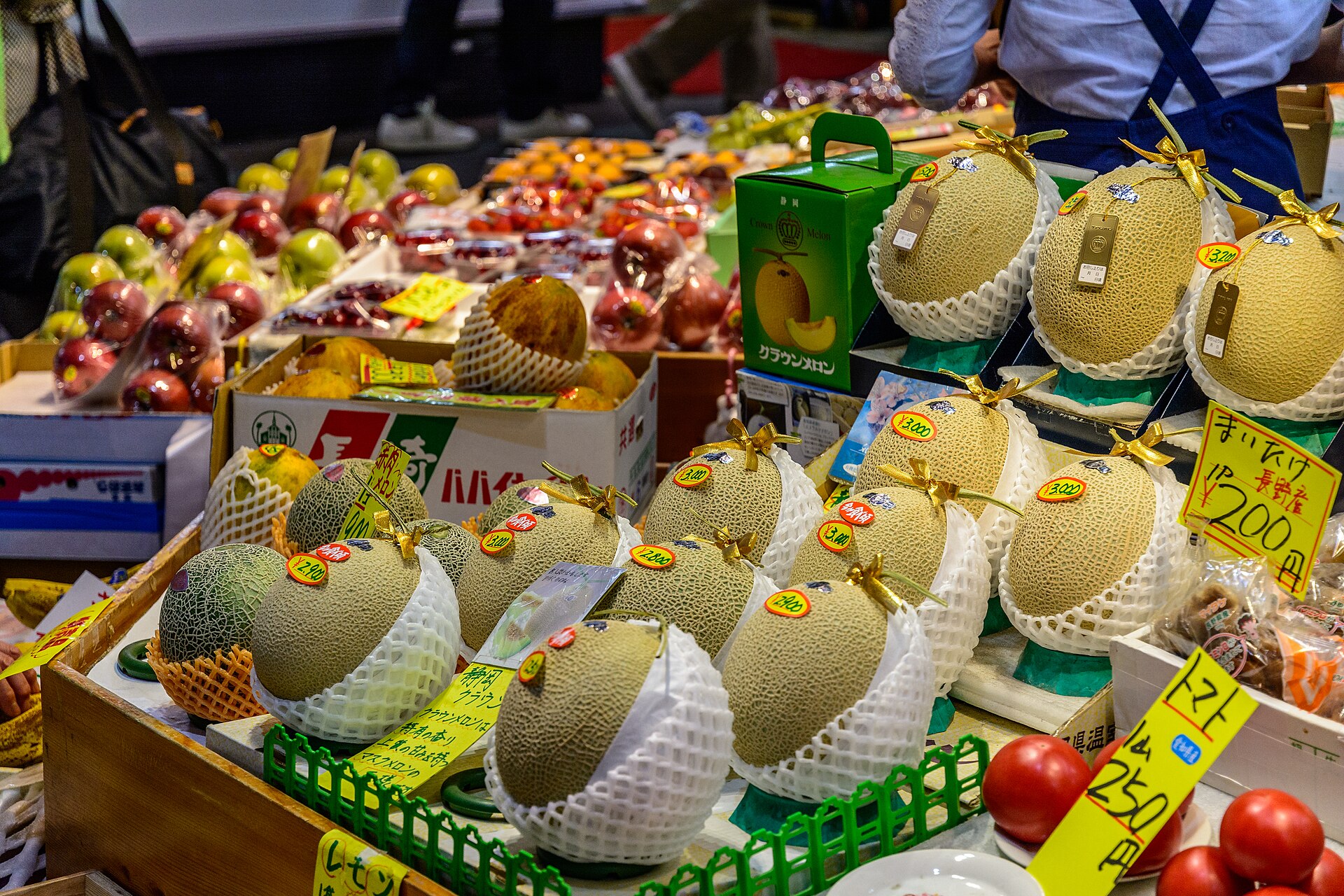
Yet Omicho offers far more than just fish. The surrounding Ishikawa Prefecture is known for its fertile soil, and the market reflects that abundance. Stalls overflow with crisp vegetables, locally made cheeses, and artisanal soy sauces and miso pastes. Some vendors serve ready-to-eat dishes—sushi, sashimi, or grilled fish—prepared on the spot for those who prefer to eat as they shop. It’s a place where locals come not just to stock their kitchens but to enjoy a meal that’s as affordable as it is authentic.
The market follows its own clock. By dawn, the first deliveries arrive, and by six, the stalls are fully stocked, ready for the morning rush. The busiest hours pass quickly, and by midday, the pace slows, the crowds thin, and the market settles into a quieter rhythm. It’s a cycle that repeats daily, a balance of hustle and pause that feels almost meditative. For residents, Omicho is more than a place to shop—it’s a social hub, a spot to catch up with neighbors or swap cooking tips.
What makes Omicho special is its openness. There’s no hard sell here, no pressure to buy. Instead, vendors often offer samples, eager to share their knowledge of how to prepare their goods. Many have worked here for decades, their families tied to the market for generations. If you’re lucky, you might hear stories of how the market has changed—or stayed the same—over the years, surviving wars and economic shifts while remaining a constant in the city’s life.
Omicho isn’t a tourist attraction in the traditional sense. There are no grand monuments or staged performances, just the steady hum of daily life. It’s a place where time moves differently, where hours can slip by unnoticed as you wander, watch, and soak in the atmosphere. For those willing to look beyond the guidebook, the market offers a glimpse into the soul of Kanazawa—a city where tradition and modernity coexist, not in opposition, but in quiet harmony.