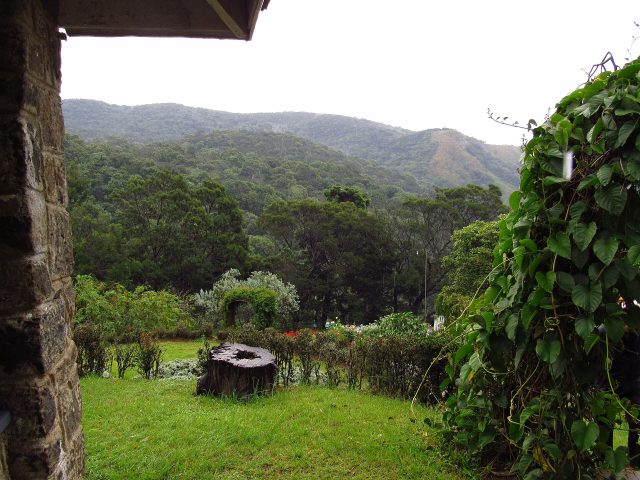
Nuwara Eliya feels like a place where time has paused, suspended in the misty highlands of Sri Lanka. The air carries the scent of damp earth and tea leaves, while the streets still echo with the quiet elegance of the British colonial era. Victorian mansions stand beside manicured lawns, their rose gardens blooming in a climate unlike anywhere else on the island. At nearly two thousand meters above sea level, the sunlight here is softer, the rain gentler, and the pace of life slower. It’s a town where the past lingers in the architecture, the gardens, and even the way people move. And at its heart lies the Nuwara Eliya market—a place where daily life, tradition, and a touch of old-world British formality blend seamlessly with the rhythms of Sri Lanka.
The market isn’t just a place to buy and sell; it’s a living part of the town, breathing in time with the people who depend on it. Unlike the bustling bazaars of Colombo or the tourist-heavy stalls of Galle, this market moves at its own unhurried pace. Mornings begin with a veil of mist clinging to the hills as vendors arrange their goods—fresh vegetables from nearby gardens, fruit that tastes sweeter in the cool mountain air, and spices harvested from the surrounding plantations. But the real star here is tea. Grown on the slopes where the soil and climate create something extraordinary, the tea at Nuwara Eliya’s market isn’t just sold in packets; it’s offered as an experience. Vendors will pour you a cup from a steaming kettle, letting the aroma fill the air before you even take a sip.
The market’s architecture is simple, almost unassuming, but it has a charm of its own. Low wooden and metal stalls line narrow passageways, their awnings shielding shoppers from the occasional drizzle. There are no flashy signs or neon lights, just handwritten labels and the occasional pair of old brass scales, their weights clinking softly as they measure out goods. It feels less like a modern marketplace and more like a country fair, where every detail—from the worn wooden counters to the way vendors call out to regulars—tells a story of a place that hasn’t changed much in decades.
More than just a shopping spot, the market is a social hub where the town gathers. Neighbors stop to chat, share news, or swap recipes while children dart between stalls. Women in bright saris and men in traditional lungis move through the crowd, their voices blending into a steady hum of conversation. Sometimes, a vendor will offer a cup of tea to a fellow trader, or a customer will linger not to buy, but to catch up on the latest gossip. In a town where life moves slower than in the capital, the market is where time seems to stand still, where every interaction feels like part of a larger, unspoken ritual.
Local farmers and artisans play a central role here, bringing not just produce but handmade goods that reflect generations of skill. Woven bamboo baskets, clay pots fired in traditional kilns, and wooden carvings are all crafted using methods passed down through families. These aren’t just souvenirs; they’re practical items used in everyday life, designed to last and to fit seamlessly into the routines of the people who make and buy them. The baskets, for instance, are made from bamboo grown in the nearby forests, while the clay pots are shaped by hands that have done the same work for years. There’s a quiet pride in these objects, a sense that they carry a piece of the land with them.
The market also offers a glimpse into Nuwara Eliya’s layered history. When the British made this their hill station retreat, they brought more than just architecture—they brought their tastes and habits, too. Even now, you can find imported goods like cheese, jams, and biscuits sitting alongside local produce, a reminder of how the town once catered to colonial residents. The tea, often packaged with English labels, is another nod to that past, though the drink itself has long since become a staple of Sri Lankan life. It’s a place where cultures overlap, where the old and the new coexist without fanfare.
The best time to visit is early morning, when the air is crisp and the market is at its liveliest. Farmers arrive with the day’s harvest, and locals hurry to finish their shopping before the workday begins. By midday, the crowds thin, and by evening, only a few vendors remain, packing up their goods as the light fades. If you’re lucky, you might catch the quiet moment when the day winds down—vendors sweeping their stalls, sharing a final cup of tea, or simply sitting together as they reflect on the day’s trade.
For travelers, the market is one of the few places in Nuwara Eliya where you can see the real Sri Lanka, the one that exists beyond postcard-perfect views and guided tours. There are no souvenir shops selling mass-produced trinkets, no pushy guides offering overpriced excursions. Instead, there are people going about their lives, selling what they’ve grown or made with their own hands. It’s a place where you can feel the pulse of the town, where the smells of fresh produce and spices, the sound of laughter and conversation, and the sight of goods laid out with care all come together to create something authentic.
This isn’t a market that dazzles with grandeur or exoticism. It’s small, unpretentious, and deeply human. You won’t find anything here that you couldn’t find elsewhere in Sri Lanka, but that’s not the point. What makes it special is the way it captures the essence of Nuwara Eliya—a town where the past and present coexist, where life moves at its own pace, and where even the simplest interactions feel meaningful. Whether you buy something or just wander through, the market offers a quiet reminder of what travel is supposed to be about: not just seeing a place, but feeling it.