Nerja’s Market: Where the Town’s Rhythm Beats Strongest
The streets of Nerja curve between whitewashed houses, their wrought-iron balconies casting lacy shadows in the morning sun. Life here moves slowly, deliberately—no rush, no crowds. And at the center of it all is the market, where the town’s quiet pulse is easiest to feel.
This isn’t a market built for tourists. It’s where locals come for groceries, yes, but also for the kind of conversation that only happens when you’ve known someone for years. The stalls are simple, the goods unadorned: fish still smelling of the sea, tomatoes warm from the field, herbs tied in rough bundles. No gloss, no gimmicks—just the raw, honest products of the land and water.
The market’s history goes back to Nerja’s days as a fishing village. Trade once happened right on the shore, where fishermen sold their catch and farmers from the hills brought olives and oil. Today, the stalls still sell the same things they did a century ago, just a few streets inland.
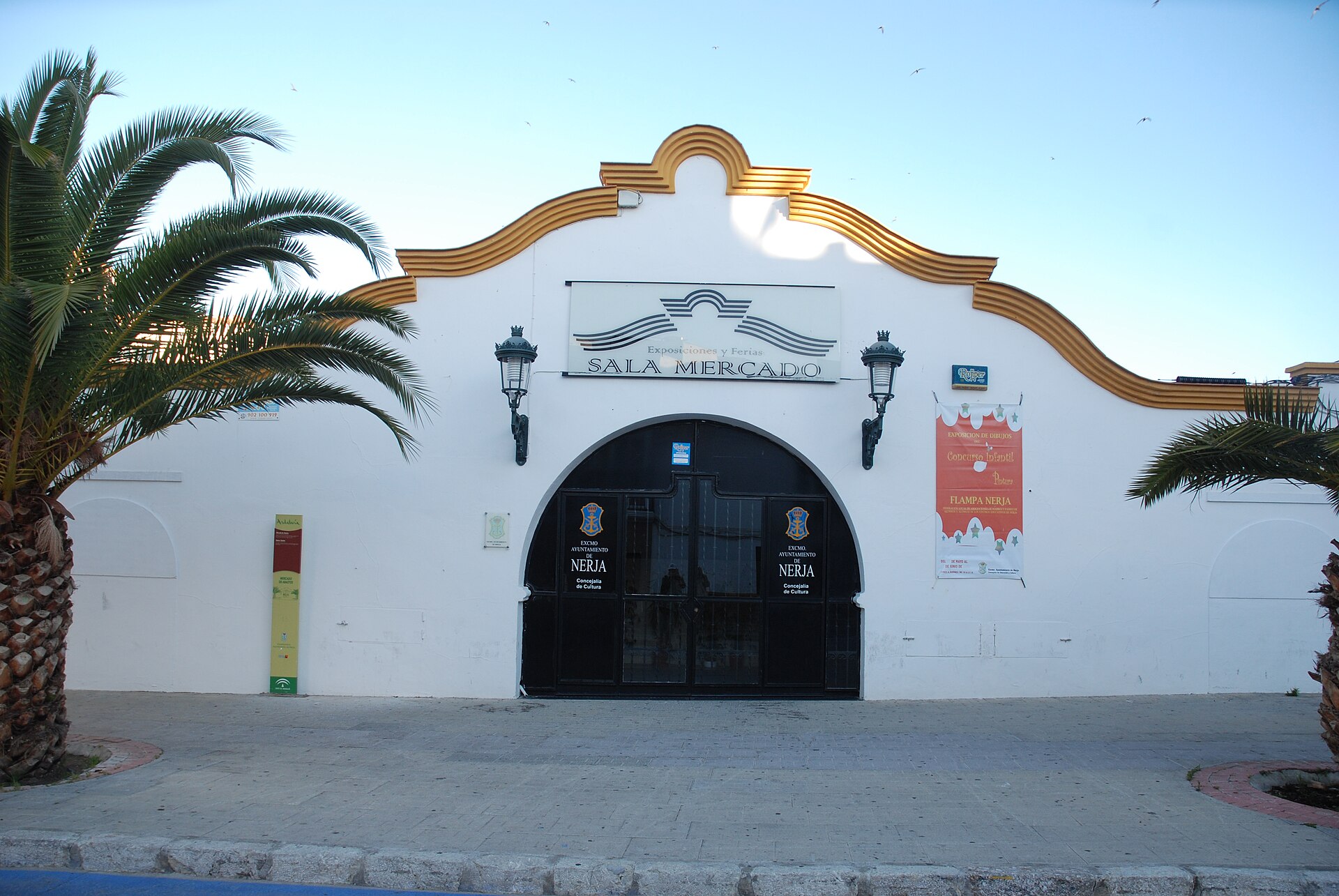
The buildings around the square are unremarkable—low, flat-roofed, with wooden shutters that clatter in the wind. Inside, the market is divided into practical sections: seafood, produce, meat and dairy. The thick walls keep the space cool in summer; in winter, the warmth comes from the people who fill it. There’s no grand architecture here, no ornate details—just a place that works, day after day.
What makes this market different isn’t the goods, but the people. Locals don’t just shop here; they stop to chat, to hear the latest news, to sip coffee at the small tables in the corner. Vendors know their regulars by name, and the regulars trust them like family. If you ask about something unfamiliar—a salted fish, a jar of mountain honey—they’ll tell you how to eat it, what to pair it with, why it’s worth trying.
Come early, when the light is soft and the air smells of herbs and coffee. That’s when the market is liveliest: fishermen unloading their catch, farmers arranging crates of fruit, neighbors debating what to cook for lunch. Sometimes, a guitar plays in the background, or a story makes the whole square laugh. For a little while, the market feels less like a place to buy food and more like a stage where everyone has a role.
By midday, the energy fades. Vendors pack up, the crowd thins, and the square empties, ready to begin again tomorrow.
If you want to understand Nerja, start here. No tourist traps, no forced smiles—just the real, unfiltered life of the town. You could spend an hour wandering the stalls, listening to the hum of conversation, watching how the mood shifts as the morning wears on.
Markets like this are disappearing, replaced by supermarkets and same-day deliveries. But in small towns along the coast, they still matter. They’re where you go not just to stock your kitchen, but to feel, even for a moment, like you belong.