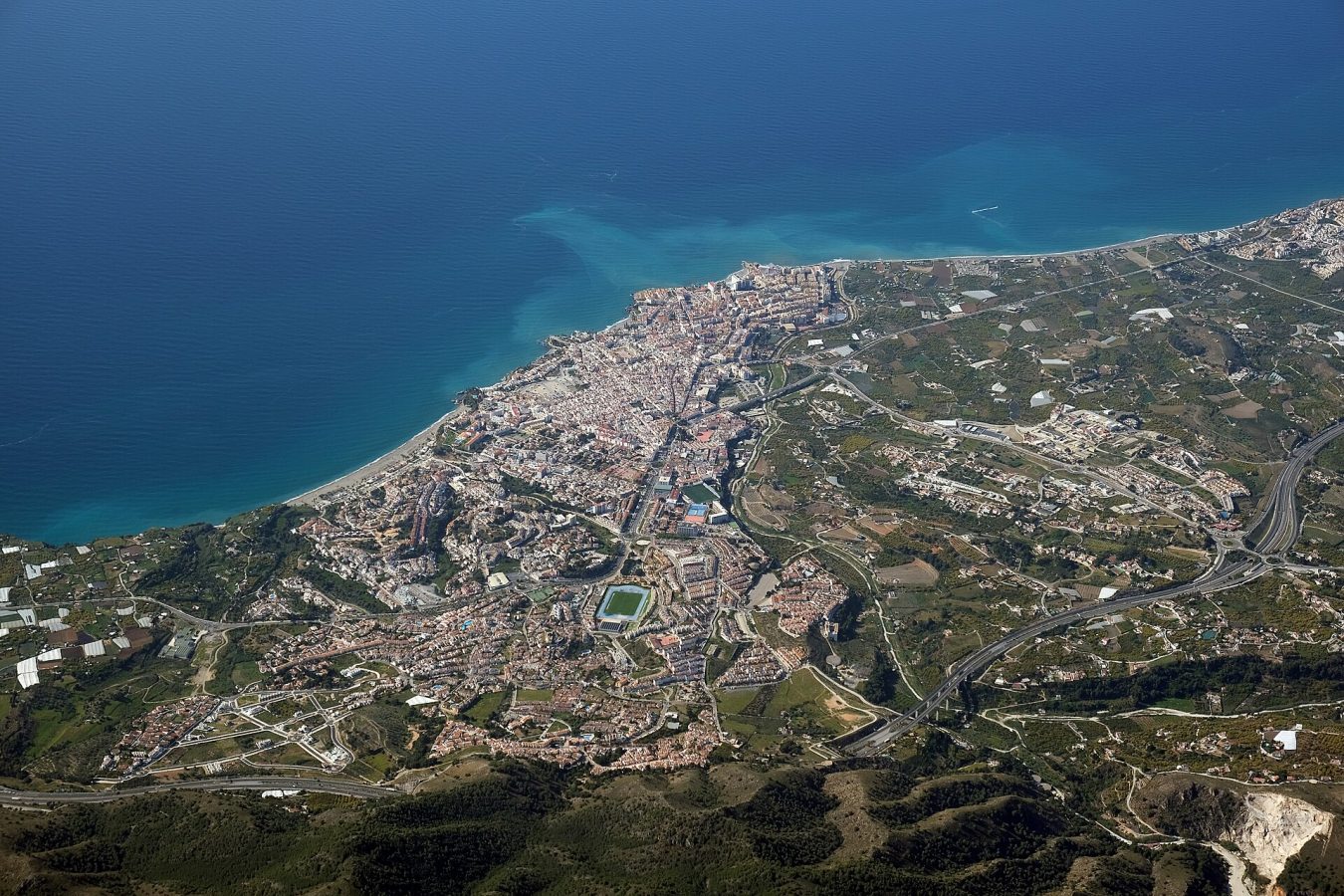
Nerja
Spain · 6 places
Photo: kallerna, CC BY-SA 4.0
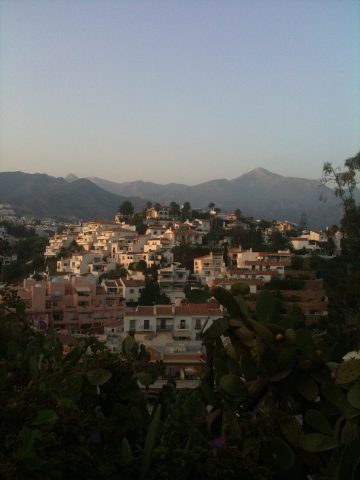
Nerja feels like the kind of place the Costa del Sol might have been before the high-rises and package tours took over. Tucked between the sea and the mountains, it’s a town where whitewashed houses tumble down to hidden coves, and narrow streets wind past flower-filled patios and quiet squares. There’s no rush here—just the slow rhythm of waves against the cliffs and the way the light softens as the sun dips behind the hills. It’s the sort of place where you might find yourself lingering over a glass of local wine at a waterfront café, watching the sky turn gold, without even realizing how much time has passed.
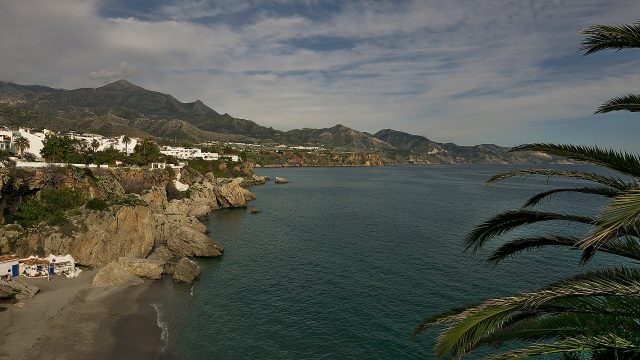
The beaches are what draw most people to Nerja, and each one has its own personality. Burriana is the most popular, a long stretch of sand with gentle waves, perfect for families and those who want everything within easy reach—beach bars, sun loungers, the works. Then there’s Playa de Maro, a quieter spot tucked between cliffs, where the water is so clear it feels like swimming in glass. Getting there means following a steep path down, but the reward is a near-empty shoreline where the only sounds are the wind and the sea. For something even more secluded, Cala del Pino requires a descent down stone steps carved into the rock, but the effort is worth it for the sense of having the whole cove to yourself. Even if you’re not much of a beachgoer, the coastal promenade is a pleasure in itself—lined with palm trees, dotted with little cafés, and always carrying the scent of grilled fish from the nearby chiringuitos.
But Nerja isn’t just about the sea. A short walk from the town center lies one of Andalusia’s most surprising sights: the Caves of Nerja. Discovered by accident in the 1950s when a group of teenagers stumbled upon a narrow opening in the rock, the caves are a vast underground world of towering chambers, glittering stalactites, and eerie rock formations lit in a way that makes them feel almost magical. One of the caverns even contains prehistoric paintings, faint but still visible after thousands of years. In the summer, the caves host classical music concerts, the acoustics so perfect it’s as if the space was designed for it.
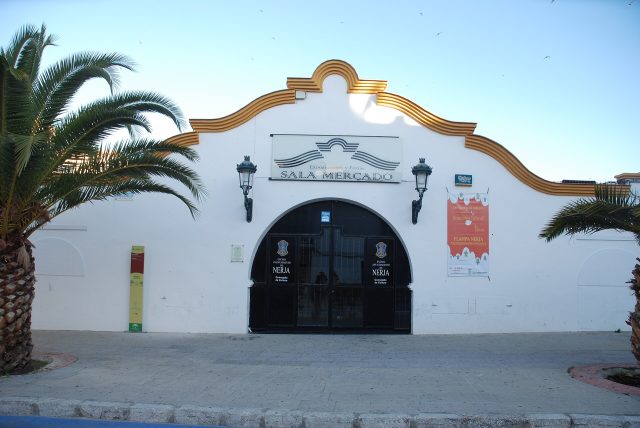
Life in Nerja moves at its own unhurried pace. The main square is where it all happens—by day, a market spills out with stalls selling ripe figs, cured ham, and local cheeses; by evening, it transforms into a gathering place where old men play dominoes, children kick footballs, and visitors sip sangria under the orange trees. There are no megamalls or flashy nightclubs here, just a handful of unpretentious tapas bars where an evening can easily slip by as you move from one to the next, sampling garlic shrimp, fried squid, or slices of melon wrapped in jamón. The food is simple, the wine is cheap, and no one’s in a hurry to turn over the table.
What makes Nerja special isn’t any single attraction, but the way it all comes together—the way the sea meets the mountains, the way the past feels present in the caves, the way the town doesn’t try too hard to impress. You could spend a day on the beach, then climb up to the Balcón de Europa viewpoint at sunset, where the whole sweep of the coastline unfolds below you, and understand why people keep coming back. There’s no crowds, no pressure, no sense that you’re being sold something. Just the sun, the sea, the scent of salt and pine, and the quiet feeling that you’ve found a place where things are exactly as they should be.
See & Do
6 places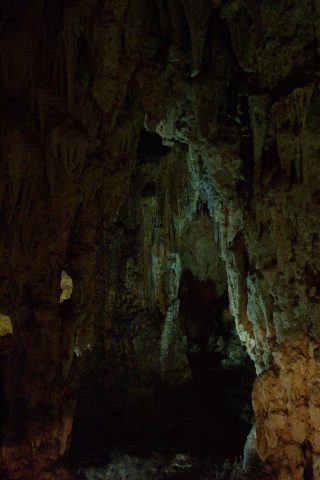

Places on the map
Marker colour follows the categoryClimate and weather
Detailed weather: Nerja- Average temperature
- 19 °C
- Precipitation per year
- 418 mm
- Sunshine hours per day
- 8.1 h
Average air temperature
°C
13
14
15
17
20
24
26
27
24
20
16
14
Jan
Feb
Mar
Apr
May
Jun
Jul
Aug
Sep
Oct
Nov
Dec


