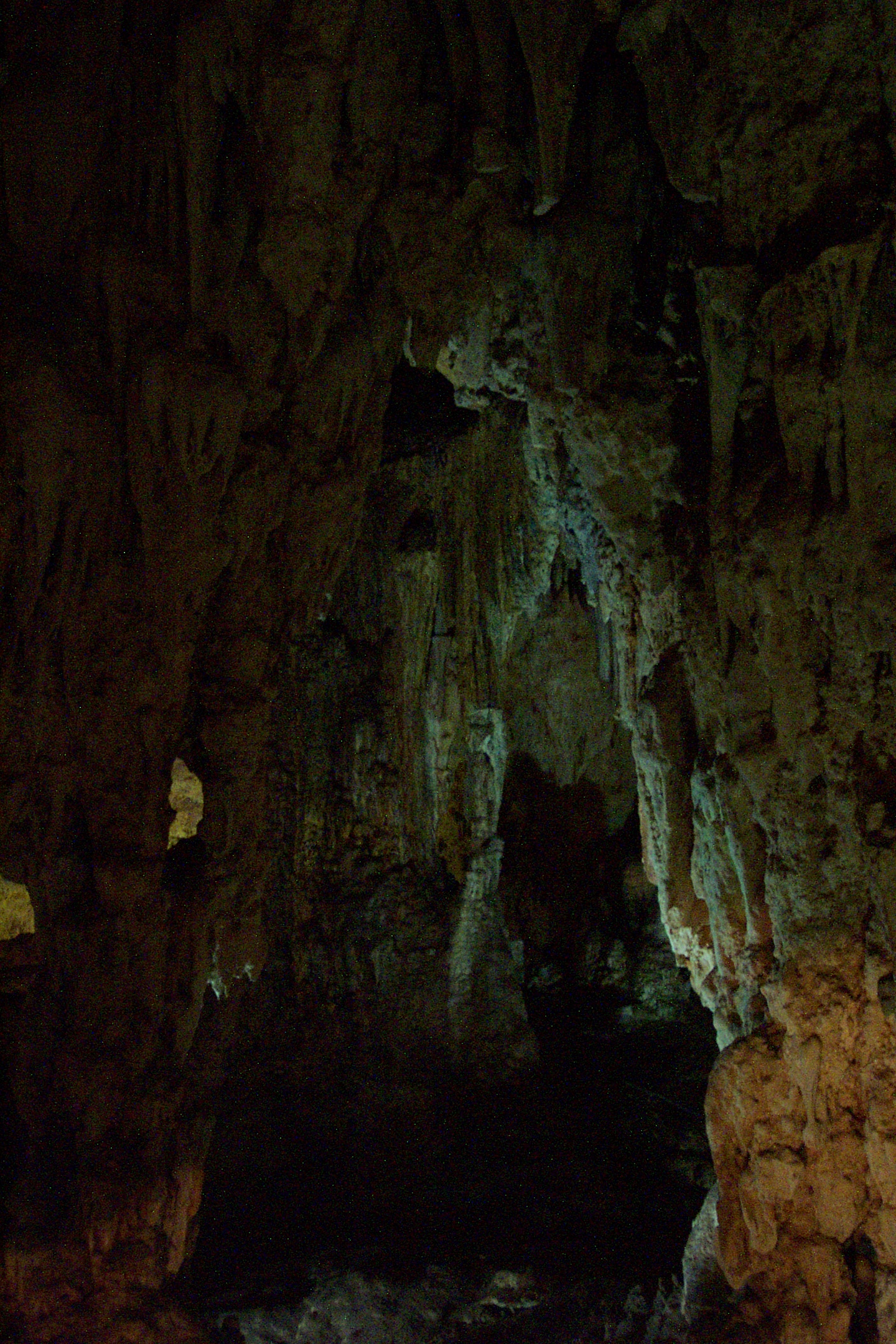
Nerja Caves feel like a place where time has stood still, holding onto traces of a distant past. Tucked into the hills just a few kilometers from the coastal town of Nerja on the Costa del Sol, they open up a hidden world beneath the earth—a labyrinth of chambers, stalactites, and stalagmites shaped over millennia. These caves are more than just a natural wonder; they’re a meeting point of geology and human history, where the slow work of water and stone intertwines with the stories of those who once lived here.
The caves were discovered by accident in 1959, when a group of local boys went exploring in search of bats. What they found inside was far beyond anything they could have imagined. Squeezing through a narrow opening, they entered a vast underground space filled with towering formations, ancient cave paintings, and even human remains. Archaeologists later confirmed that the caves had been inhabited as far back as the Paleolithic era, with evidence of Bronze Age settlements as well. Today, visitors can still see the marks of those early inhabitants—simple tools, charcoal drawings, and some of the oldest known cave art in Europe.
The caves are divided into several chambers, each with its own character. The most famous is the Hall of Cataclysms, named for a massive collapse of the ceiling that happened thousands of years ago. The scale of the space is staggering—over thirty meters high, with a floor as wide as a football field. At its center stands one of the tallest stalagmites in the world, a thirty-meter column that has been growing, drop by drop, for hundreds of thousands of years. Another striking chamber is the Hall of Ghosts, where the limestone formations take on eerie shapes, as if figures from the past are frozen in the rock.
One of the most remarkable parts of the caves is the Hall of Cave Paintings, where ancient drawings still cling to the walls. Made with ochre and charcoal, they depict seals—animals that once thrived along the Andalusian coast—as well as abstract symbols whose meanings remain a mystery. These paintings date back between twenty-five and forty-two thousand years, making them some of the oldest known works of human art. Standing in front of them, it’s hard not to wonder about the people who created them, what their lives were like, and what messages they might have wanted to leave behind.
Beyond their historical significance, the caves are a breathtaking natural spectacle. The air inside is cool and damp, the light soft and diffused, reflecting off the wet surfaces of the rock. Stalactites and stalagmites form shapes that seem almost sculpted—some like frozen waterfalls, others like strange, otherworldly figures. In certain chambers, underground pools mirror the ceilings above, creating the illusion of an endless void. The silence is broken only by the occasional drip of water, a reminder of the slow, patient work of nature.
Visiting the caves is like stepping into another era. The path is carefully designed to guide visitors through the most impressive chambers while protecting the delicate environment. Walkways are equipped with railings and lighting, making the journey safe and accessible, though the air inside stays cool year-round, so a light jacket is a good idea even in summer. Guides share stories not just about the geology of the caves, but also about their discovery and the lives of the people who once called them home.
The caves aren’t just a tourist attraction—they’re an active site of scientific research. Studies here help uncover clues about past climates, human evolution, and the development of underground ecosystems. New discoveries are made regularly, from ancient artifacts to previously unknown geological formations. For those interested in the science behind the caves, special tours offer insights into the latest findings and theories, giving visitors a deeper understanding of the site’s significance.
Despite their fame, the Nerja Caves have managed to retain a sense of quiet mystery. Unlike some of Europe’s more crowded cave systems, they don’t feel overrun with tourists, allowing visitors to take in the stillness and grandeur of the underground world. Standing in front of the ancient paintings or watching the play of light on the stalactites, it’s easy to lose track of time. The caves make you reflect on how fragile and yet how resilient the Earth is, and how much remains hidden beneath its surface.
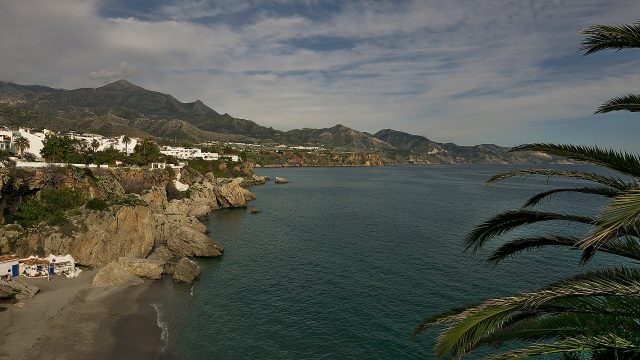
For those who want to pair their visit with some time by the sea, Nerja itself is a charming coastal town. Its beaches are known for their fine sand and clear water, and the promenade is lined with cafés where you can try local dishes. After exploring the caves, a walk along the shore offers a chance to unwind, with views of the Mediterranean and the warm, gentle climate that makes this part of Spain so appealing. The Nerja Caves aren’t just a stop on a tourist itinerary—they’re part of a larger experience, one that connects you to both history and the natural world.