Muharraq Market is where Bahrain feels less like a country of gleaming skyscrapers and air-conditioned malls, and more like a place with roots stretching deep into the past. This is the kingdom’s oldest city, once its capital, and though Manama now holds that title, Muharraq has kept its role as the cultural and commercial heart of the nation. The market is its living memory, a place where the rhythm of life has changed little over the centuries. Here, trade moves at its own pace, shaped by tradition and the quiet understanding that comes when people have known each other for generations.
The market’s narrow lanes twist between low-slung buildings, their stone paving worn smooth by decades of footsteps. Wooden shutters and carved doors line the streets, many of them dating back to the days when Muharraq thrived on the pearl trade. Back then, the market pulsed with the seasons—bustling in summer when fleets of pearl divers set sail, then quieting in winter as the city waited for the next cycle. Pearls no longer drive the economy as they once did, but a few shops still sell heirloom jewelry, their cases holding pieces passed down through families.
What strikes you first is the scent. Spices mingle with the smoke of grills cooking fresh fish, delivered that morning from the coast. The market sells everything you might need in daily life—dried dates, olive oil, bolts of fabric, handmade pottery, and the sticky-sweet pastries Bahrainis love. But the spices are what linger in the air: turmeric, cardamom, saffron, coriander, sold by the handful from sacks or small paper bags. Even if you hadn’t planned to buy anything, it’s hard not to pause and breathe it all in.
Beyond the stalls, the market is a place where old crafts still have a home. In small workshops tucked behind the shops, artisans shape traditional wooden boats called dhows, weave baskets from palm fronds, or carve household items from timber. These skills have been handed down through families, and though modern methods have taken over much of the work, here you can still see how things were made before machines. Some craftsmen don’t mind if you watch, and if you do, you’ll understand how much patience goes into each piece.
The people give the market its character. There’s no rush here, no hurried transactions or pushy sales pitches—just unhurried conversations, friendly haggling that ends with a handshake and a cup of coffee. Shopkeepers know their regulars, and customers trust the sellers they’ve dealt with for years. It feels almost like a neighborhood, where even a first-time visitor is met with curiosity rather than pressure. Locals will happily explain their goods, share a recipe, or just chat about life.
The market follows its own clock. Mornings are busy, with shoppers stocking up for the day before the heat sets in. By midday, things slow down—siesta time, when shutters close and the streets grow quiet. Evenings bring a different energy, as people come not just to shop but to linger, sipping mint tea in one of the small cafés and listening to the stories of those who’ve been here longest.
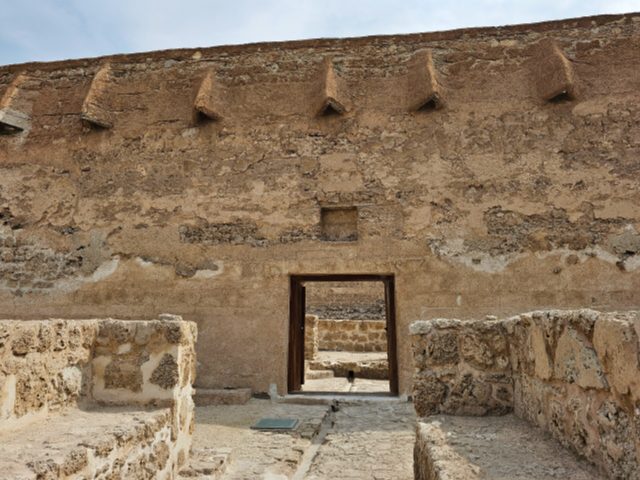
The architecture tells its own story. The buildings were designed to keep out the heat—thick walls, small windows, inner courtyards where shade offers relief from the sun. Many still have the old details: wooden balconies with intricate carvings, arched doorways, lattice screens that let in light while keeping out the worst of the heat. Some doors bear metal reinforcements, a reminder that Muharraq was once a place where security mattered, a hub for trade routes stretching to India, Africa, and the Persian Gulf.
Today, Muharraq Market is a bridge between past and present. On one side, it still feels like the Bahrain of old—unhurried, rooted in tradition. On the other, it hasn’t frozen in time. New shops have opened, selling modern goods, but the atmosphere remains authentic. For visitors, it’s a chance to see how locals live; for locals, it’s a way to remember how their ancestors did. The city around it may change, but the market stays the same—a place where the past and present exist side by side, without one overshadowing the other.