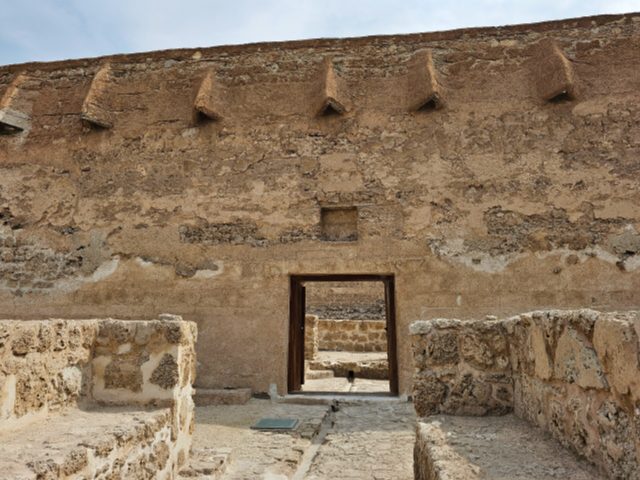
Sheikh Isa bin Ali House in Muharraq is one of those rare places where the past doesn’t just linger—it breathes. Built in the late 19th century, this residence was once the home of Bahrain’s ruler, a man whose influence stretched across an era when the island thrived on trade, pearl diving, and the quiet rhythms of daily life. The house stands as a testament to a time when power was measured not in skyscrapers or oil wealth, but in the strength of tradition and the weight of decisions made within these very walls.
The architecture here is unmistakably Bahraini, yet it carries something deeper than mere function. The thick coral limestone walls, a hallmark of Gulf construction, were more than just a building material—they were a shield against the relentless sun, a natural insulator that kept the interior cool even in the peak of summer. The central courtyard, framed by wooden columns carved with intricate patterns, was the heart of the home. It was here that deals were struck, families gathered, and the day’s affairs unfolded under the watchful gaze of the household. Today, the courtyard remains much as it was, a quiet space where the echoes of conversation and the murmur of a fountain still seem to hang in the air.
The house is divided into two distinct sections: the formal reception rooms and the private quarters. The public spaces are where the ruler conducted business, and their grandeur is evident in the ornate ceilings, painted with geometric designs using natural pigments that have faded but not lost their charm. The walls are adorned with carved niches, once used to display gifts from foreign dignitaries or prized possessions. In contrast, the private rooms feel more intimate, with low seating, handwoven rugs, and small windows fitted with latticed shutters that soften the harsh desert light. These spaces offer a glimpse into the personal life of the ruling family, far removed from the pomp of official duties.
Sheikh Isa bin Ali Al Khalifa, who ruled Bahrain from 1869 to 1932, was a figure of transition. His reign bridged the gap between the old ways of the Gulf and the rapid changes brought by the discovery of oil. Yet despite the shifting tides of modernity, the sheikh remained deeply rooted in tradition. This house was not just his home but a symbol of his authority, a place where the future of Bahrain was shaped. Today, it houses exhibits that tell the story of the Al Khalifa family and the era they presided over, offering visitors a chance to understand the forces that shaped the island’s history.
One of the most fascinating aspects of the house is its ingenious ventilation system. High ceilings, narrow windows, and wind towers—known locally as *badgirs*—worked together to create a natural airflow, drawing in cool breezes and expelling hot air. This clever design allowed the residents to endure the harsh climate without modern conveniences. Walking through the rooms, it’s easy to imagine how these architectural features made life bearable in a land where temperatures soar and humidity clings to the skin. Even now, with the hum of the modern city just beyond its walls, the house stands as a reminder of human ingenuity in the face of nature’s challenges.
Muharraq itself is a city that refuses to be forgotten. Once the capital of Bahrain, it has since been overshadowed by Manama, yet it retains a character all its own. The narrow streets, lined with traditional *souqs* and workshops, feel like a step back in time. Sheikh Isa bin Ali House fits seamlessly into this landscape, as if it has always been part of the city’s fabric. Visiting it isn’t just about seeing a historic building—it’s about feeling the pulse of a place where history is still alive, where the past isn’t just preserved but actively remembered.
The house is open to the public, and while it no longer serves as a residence, it hasn’t lost its sense of lived-in warmth. The exhibits inside are thoughtfully curated, providing just enough context to paint a picture of life during the sheikh’s rule without overwhelming visitors with information. You can climb to the upper floor for a view of the city and the bay, or simply sit in the courtyard, watching the play of light and shadow on the coral walls. There’s no rush here, no sense of being hurried along—just the quiet invitation to linger and absorb the atmosphere.
For anyone with an interest in the history of the Gulf, Sheikh Isa bin Ali House is a must-visit. It lacks the opulence of some of the region’s grander palaces, but that’s precisely what makes it special. There’s a simplicity here, an authenticity that feels rare in a world where so much is polished to a shine. Occasionally, the house hosts temporary exhibitions or cultural events, but even on an ordinary day, it’s a place worth spending time in. The building itself, with its layers of history and the stories embedded in its walls, is reason enough to visit.
Bahrain is often seen through the lens of its modern skyline and bustling economy, but places like Sheikh Isa bin Ali House remind us that the island has another side—one that predates the oil boom and the rise of global commerce. This is a side shaped by merchants, pearl divers, and rulers who understood the value of tradition. Visiting the house isn’t just a history lesson; it’s a chance to see Bahrain as it once was, through the eyes of those who built its foundations. In a world that moves too fast, it’s a place where time slows down, if only for a little while.