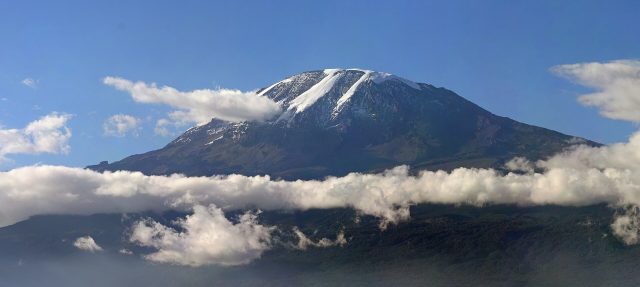
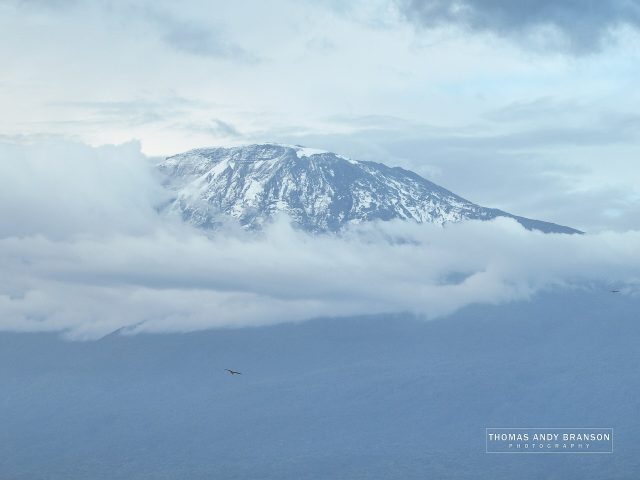
Moshi’s market isn’t just a place to buy things—it’s the pulse of the town, where the rhythms of daily life play out in full color. Nestled at the foot of Kilimanjaro, this small city thrives on agriculture, craftsmanship, and the steady hum of commerce, and nowhere is that more evident than here. The market is where the region’s heartbeat is strongest, where the scent of ripe fruit mixes with the smoke of grilled meat, and where the chatter of vendors and shoppers fills the air from dawn until dusk.
The day begins before sunrise, when farmers from nearby villages arrive with their harvests. Trucks and bicycles unload piles of bananas, mangoes, avocados, and sweet potatoes, their vibrant hues standing out against the dusty ground. For many Tanzanians, food is more than sustenance—it’s a way of life—and the market is where that connection is most tangible. Shoppers pick through the produce, tasting a slice of pineapple or squeezing a mango to check its ripeness. Bargaining is part of the ritual, a slow dance of offers and counteroffers that often ends in laughter. These exchanges aren’t just about transactions; they’re moments of connection, where neighbors catch up on news and strangers become temporary friends.
Beyond the stalls of fresh produce, the market sprawls into a maze of everyday essentials. Brightly patterned kitenge and kanga fabrics hang in neat rows, their bold prints a staple of local dress. Some are traditional, others modern, with slogans in Swahili or abstract designs that catch the eye. Nearby, vendors sell plastic sandals, cheap mobile phones, and household goods—anything a family might need. There’s a section for hardware, where men hammer out knives and farming tools, and another for tailors who stitch clothes on the spot, transforming bolts of fabric into dresses or shirts while customers wait.
The market is also a showcase for local craftsmanship. Woodcarvers display intricately made masks and animal figurines, their work often inspired by the traditions of the Chagga people who live on Kilimanjaro’s slopes. Some pieces are purely decorative, while others serve a purpose—like the wooden stools or bowls used in homes across the region. Metalworkers repair bicycles or forge tools, their skills passed down through generations. These stalls offer more than souvenirs; they’re a glimpse into the region’s creative spirit, where function and artistry often blur.
Hungry shoppers won’t go far without finding something to eat. Small kitchens and food stalls serve up local favorites like ugali, a thick porridge made from maize flour, usually paired with stewed vegetables or meat. Nyama choma—grilled goat or beef—sizzles over charcoal, its smoky aroma drawing crowds. Chapati, a flatbread with Indian roots, is a staple here, often eaten with beans or a spicy sauce. For a quick refreshment, vendors press sugarcane into sweet juice or blend mangoes and passionfruit into icy drinks. And then there’s the coffee—strong, sweet, and often spiced—grown on the slopes of Kilimanjaro and brewed fresh in tin pots. It’s the perfect fuel for a morning of haggling and exploring.
The market’s energy shifts as the day goes on. Mornings are busy but orderly, with farmers unloading their goods and shoppers moving at a leisurely pace. By midday, the place is a whirlwind of activity—vendors calling out prices, children weaving between stalls, music blaring from a radio somewhere. The heat and humidity peak, but so does the market’s vibrancy. It’s in these hours that the true character of Moshi reveals itself, unfiltered and unapologetic. By late afternoon, the crowds thin, and the last of the day’s business winds down. A few stragglers linger over plates of food, savoring the last bites before heading home.
What makes Moshi’s market special isn’t its architecture or its organization—it’s the way it embodies the town’s soul. The stalls are simple, the pathways narrow, and the buildings nothing more than corrugated metal roofs over concrete floors. There’s no attempt at grandeur, no tourist-friendly facades. Instead, the market is purely functional, a place built for the people who rely on it every day. That rawness is part of its charm. It’s not a postcard-perfect scene but a living, breathing space where the realities of life in northern Tanzania unfold in real time.
For outsiders, the market can feel overwhelming at first. The noise, the crowds, the sheer volume of goods can be disorienting. But spend enough time here, and the chaos starts to make sense. There’s a rhythm to it, a logic shaped by decades of tradition. The market doesn’t cater to visitors; it serves the community, and that authenticity is what draws people in. Whether you’re a local stocking up on groceries, a farmer selling your harvest, or a traveler looking for a taste of real life in Moshi, the market offers something for everyone.
It’s also a reminder of how much of Tanzania exists beyond the safari jeeps and luxury lodges. Here, life moves at its own pace, governed by the seasons, the harvests, and the daily needs of the people. The market is where those needs are met—where a farmer can sell his bananas, a mother can buy fabric for her daughter’s dress, and a traveler can sip coffee grown just miles away. It’s not just a place to shop; it’s a place to understand. And in a town like Moshi, where the shadow of Kilimanjaro looms large, that understanding starts with the market.