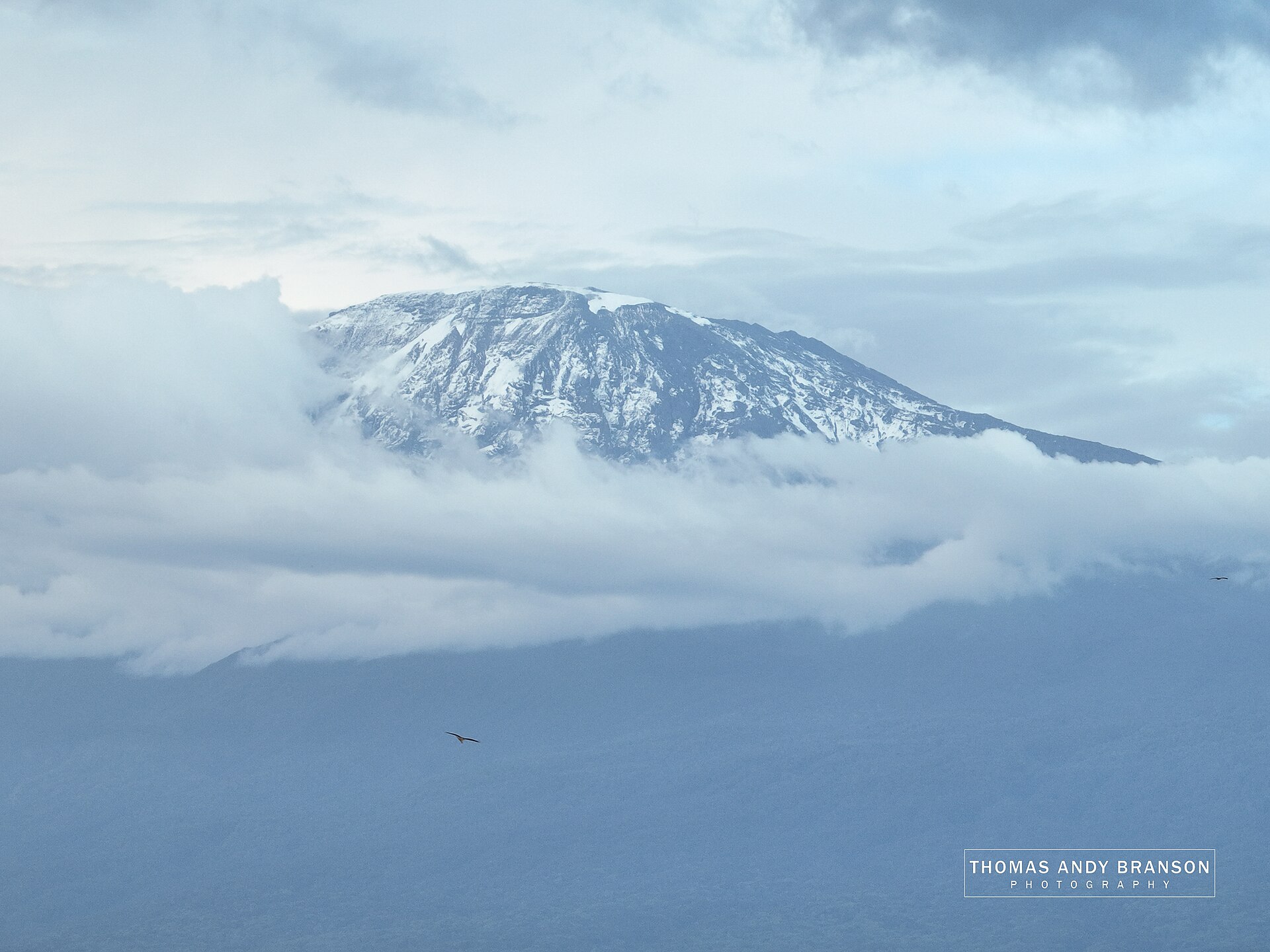
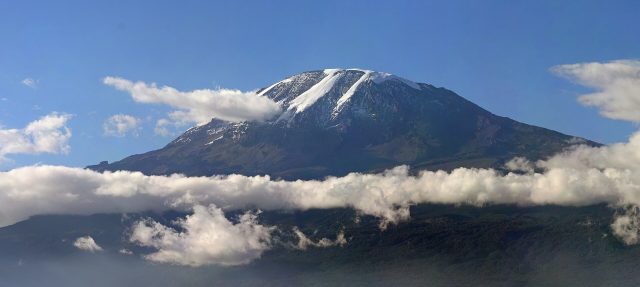
Uhuru Park in Moshi is one of those rare places where the city’s usual hum fades into quiet greenery. Tucked in the heart of town, it’s not a grand attraction with rides or exotic wildlife, but a simple, open space where people come to unwind. Wide lawns stretch under the shade of old trees, and on clear days, the view of Kilimanjaro looms in the distance, its snow-capped peak a striking contrast to the warm Tanzanian sky.
The park’s name means freedom, and its history is tied to Tanzania’s independence. In 1961, this was where celebrations unfolded as the country stepped into sovereignty. Back then, it was a gathering place for speeches, music, and crowds rejoicing in the moment. Today, a memorial stele stands in the center, though most visitors come for the shade and the breeze, not the history. Still, the past lingers in the air, even if it’s just a quiet backdrop to everyday life.
There’s nothing ornate about Uhuru Park. No grand fountains or towering statues, just well-kept paths, wooden benches, and small pavilions where people escape the midday sun. The trees lining the walkways have been here for decades—some planted during colonial times, others added later. They provide shelter from the heat and give the park its relaxed, lived-in feel. It’s the kind of place where you can sit for hours without noticing time pass.
Weekends often bring a little more life to the park. Local artisans set up stalls selling handmade crafts, and musicians play under the trees, filling the air with rhythms that feel distinctly Tanzanian. Sometimes there are sports events or small festivals, but more often than not, Uhuru Park is just a quiet corner where people read, chat, or watch the world go by. It’s not a place for grand events, but for the small, unremarkable moments that make up daily life.
What makes the park special is its setting. On one side, the streets of Moshi buzz with activity; on the other, Kilimanjaro rises in the distance. Early mornings are the best time to see it—when the air is crisp and the mountain’s peak is sharp against the sky. Locals and visitors alike come at dawn to take photos or simply stand for a moment, taking in the view before the day begins. It’s a reminder that even in a busy town, nature is never far away.
For Moshi’s residents, Uhuru Park is more than just green space. It’s where friends meet, families picnic, and students sprawl on the grass with books. Older generations gather on benches to talk, while children run across the lawns. The park doesn’t demand attention—it just exists, quietly shaping the rhythm of the city. It’s a place where history, nature, and everyday life overlap without fuss.
In recent years, the park has drawn more tourists, especially those passing through Moshi on their way to climb Kilimanjaro. For them, it’s a chance to experience the town beyond the usual tourist spots, to see how locals spend their free time. But even without visitors, Uhuru Park doesn’t lose its purpose. It remains a place where anyone can step away from the noise, even if just for a little while. No grand claims, no fanfare—just a patch of green where the city can breathe.