Moshi’s Catholic Cathedral is one of those places that doesn’t demand attention but lingers in the mind long after you’ve left. Tucked into the heart of the city, it sits on a gentle rise, surrounded by the everyday bustle of low-rise buildings and the hum of local life. Unlike the grand cathedrals of Europe with their soaring spires and ornate facades, this one is unassuming—a whitewashed structure with clean lines and a red-tiled roof, a style that feels at home in this part of Africa. Inside, the air is cool and dim, the only light filtering through stained-glass windows that cast soft, shifting patterns across the stone floor.
The cathedral’s history is woven into Tanzania’s colonial past. Built in the early 1900s, when the region was still known as German East Africa, it was one of many structures erected by missionaries who sought not only to spread Christianity but to leave a lasting mark on the land. The Germans who designed it built for permanence, and the cathedral has endured through the decades, surviving the shift from German to British rule after World War I. Even after Tanzania gained independence, it remained a spiritual anchor for Moshi’s Catholic community, a quiet witness to the country’s transformations.
Architecturally, the cathedral is simple, but there’s a quiet elegance in its restraint. The design leans toward neo-Romanesque, a style that was popular in Europe at the time, characterized by thick walls, small windows, and sturdy doors. Inside, the space is divided into three naves by rows of columns supporting a vaulted ceiling. The altar is modest, free of excessive ornamentation, and it’s this very simplicity that gives the space its dignity. The murals on the walls depict saints in a style that blends European traditions with local influences—figures that might seem unfamiliar to Western eyes but carry a warmth and immediacy of their own.
This isn’t a place that draws crowds of tourists with cameras or guides reciting rehearsed facts. That’s part of what makes it special. The cathedral exists for its own purposes, not to cater to visitors. On Sundays, the pews fill with locals for whom the church is a familiar part of life. Services are held in Swahili, and while the words may be incomprehensible to outsiders, the sense of reverence and quiet devotion is universal. Occasionally, the sound of a choir rises beneath the vaulted ceiling—soft, resonant, and somehow in harmony with the rustle of wind through the trees outside.
Surrounding the cathedral is a small garden, a patch of green where palm trees and flowering shrubs offer shade. It’s a place where people come to sit, to think, or simply to escape the heat. Some linger on the benches, lost in thought; others might pause to pray. The garden feels like an extension of the cathedral itself, a threshold where the sacred and the ordinary meet. On hot days, the coolness of the shade is a relief, and the scent of flowers mingles with the earthy smell of the soil. Children sometimes play nearby, their laughter a reminder that this place is very much alive, even if the building behind them carries the weight of history.
The cathedral has seen Moshi change in ways both subtle and profound. Over the past century, it has been a constant presence—witnessing baptisms, weddings, and funerals, standing through shifts in power, wars, independence, and economic ups and downs. It has endured not because of its grandeur, but because of its role in people’s lives. For many, it’s a place of solace, a refuge from the noise of the world, or just a quiet corner to gather one’s thoughts. That, perhaps, is its greatest value: not in its architecture or its age, but in the way it has become part of the city’s rhythm.
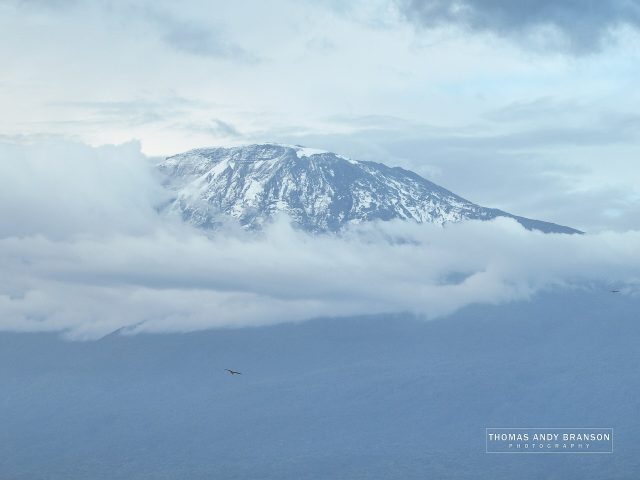
For travelers in Moshi, the cathedral might come as a surprise. The town is often associated with safaris, Kilimanjaro, and national parks, and it’s easy to overlook the quieter corners where life moves at its own pace. Yet these are often the places that leave the deepest impression. The cathedral asks nothing of its visitors except respect for its stillness. You can step inside, sit on a pew, admire the stained glass, or simply stand at the entrance, listening to the sounds of the city beyond the walls. There’s no rush, no need to document the moment. Time here moves slowly, like the lazy drift of a river in the dry season.
Moshi is changing—new buildings rise, roads expand, and more tourists arrive each year. But the cathedral remains the same, a quiet island in the midst of transformation. In a world where everything seems to move too quickly, places like this serve as a reminder that some things endure. They don’t need to be grand or famous; they simply exist, and that’s enough.