Moshi
Tanzania · 4 places
Photo: Stig Nygaard from Copenhagen, Denmark, CC BY 2.0
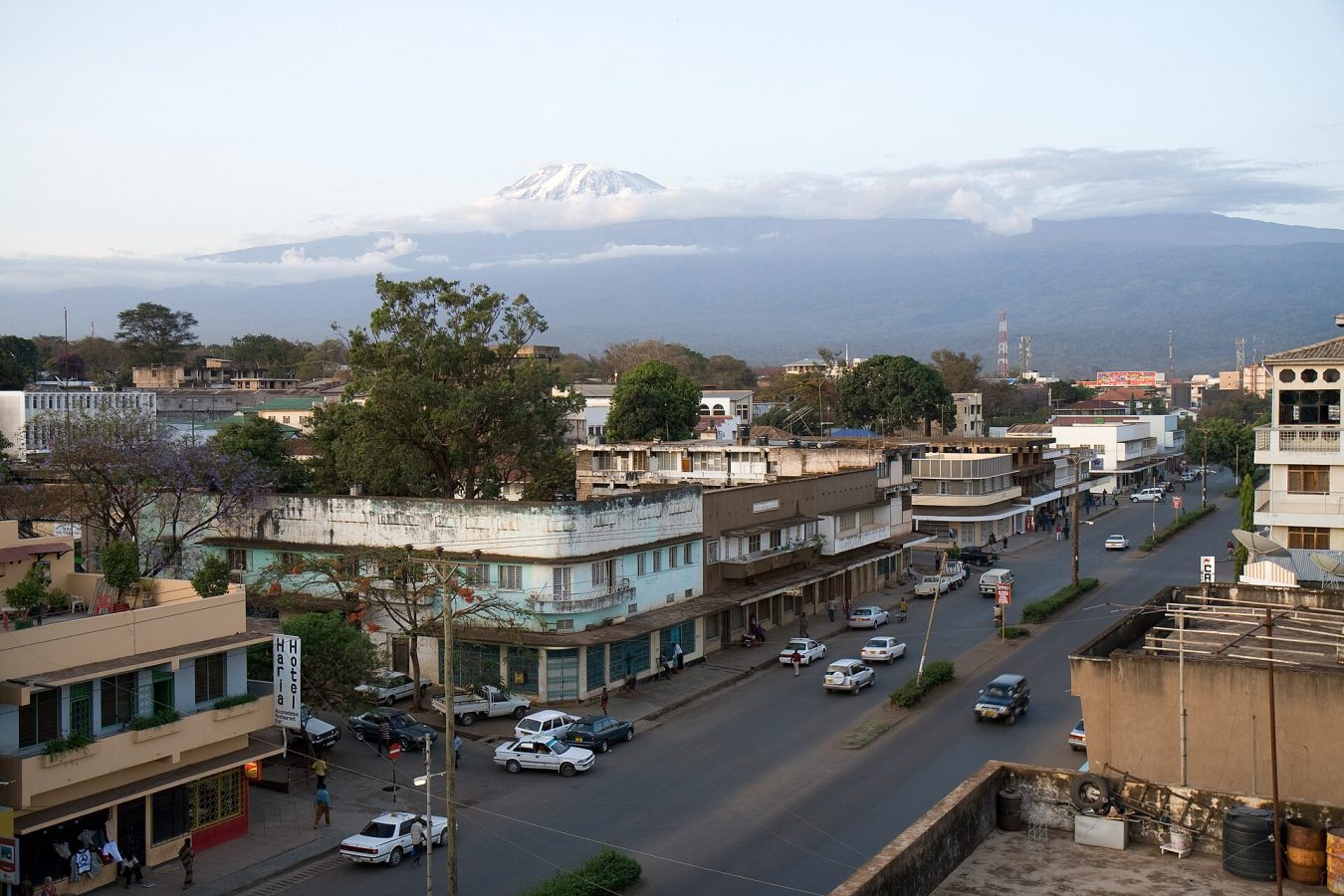
Moshi is where the plains of East Africa meet the slopes of Kilimanjaro. The city has no skyscrapers, no crowded streets—just a steady rhythm of its own. Mornings start with the smell of coffee from roadside stalls, evenings with sunsets that turn the sky orange and purple.
The markets sell ripe mangoes, spices, and kitenge fabric. Swahili and English mix in the air. In open-air cafés, food arrives in slow-cooked stews with Indian spices, grilled corn dusted with chili, and samosas fresh from the fryer. These dishes came from across the ocean but now taste like they belong here.
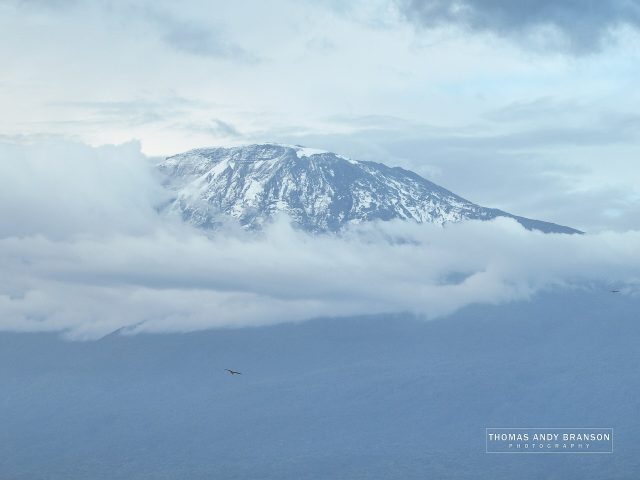
Kilimanjaro is always visible, closer than it seems. Moshi is where climbers start, but you don’t have to summit to feel the mountain. Coffee farms in the foothills show how red cherries become dark brew. Nearby, national parks offer safaris—elephants in the grass, giraffes drinking from watering holes. Some tours use jeeps, others walk, but the animals are always near.
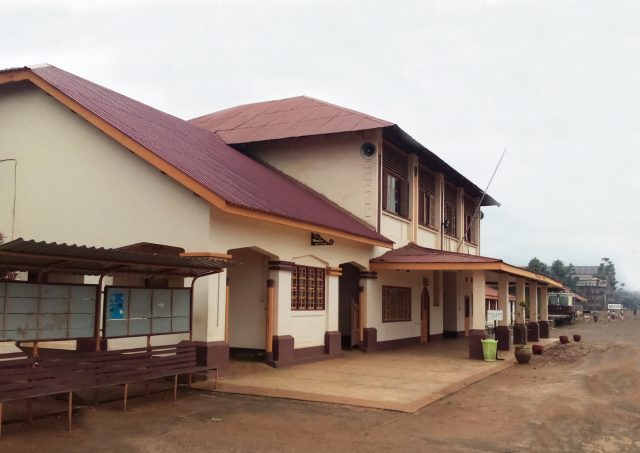
The town mixes old and new. Colonial buildings with wide verandas stand next to simple shops draped in bougainvillea. Streets have vendors selling wooden figures and fresh sugarcane. The people—Chagga, Maasai—move with warmth. They might show you a dance, teach you to cook ugali, or share a meal.
Luxury lodges sit near homes where families keep livestock. Tourists in hiking gear pass farmers with cattle. Maasai traditions mix with smartphones and solar panels. Coffee farms share land with wildlife reserves where lions still roam.
If you’re not here to climb, try this:
Haggle for fabric or a beaded bracelet in the market.
Visit a school or clinic to see daily life.
Walk through tea plantations on the mountain’s slopes, where cool air carries the scent of leaves.
Swim in Lake Chala, a crater lake with water so clear it feels separate from the world.
When the sun sets behind Kilimanjaro, the peak glows gold. Moshi isn’t just a stopover—it’s where Africa shows itself plainly.
See & Do
All of them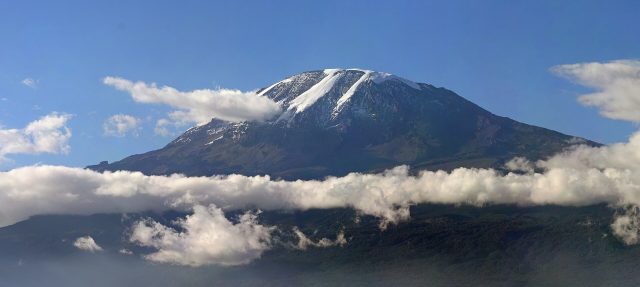
Places on the map
Marker colour follows the categoryClimate and weather
Detailed weather: Moshi- Average temperature
- 24 °C
- Precipitation per year
- 754 mm
Average air temperature
°C
26
26
26
23
22
21
21
22
24
25
25
25
Jan
Feb
Mar
Apr
May
Jun
Jul
Aug
Sep
Oct
Nov
Dec