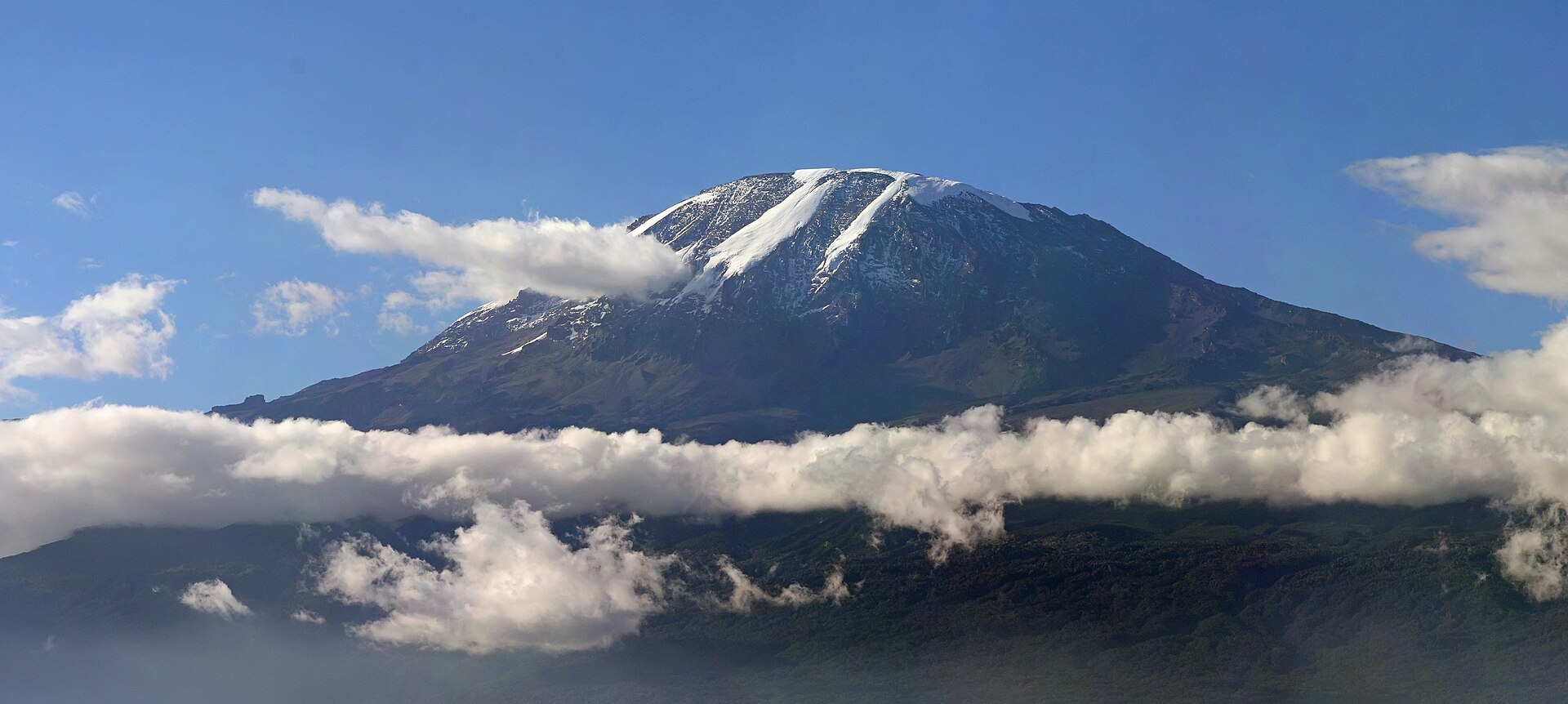
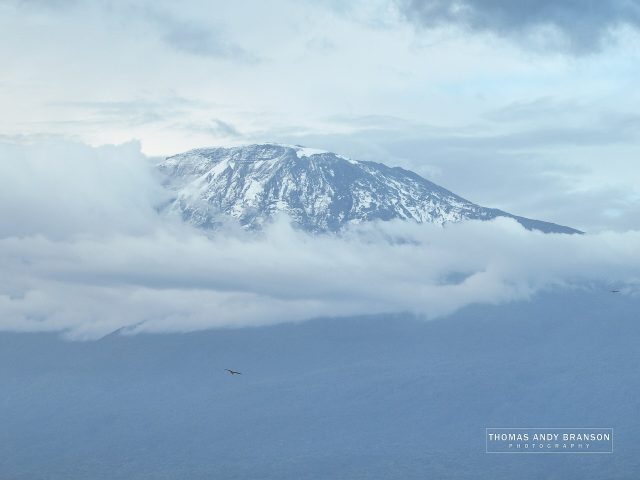
Kilimanjaro isn’t just a mountain—it’s a symbol of Africa that has captivated imaginations for centuries. Rising abruptly from the vast plains of Tanzania, its snow-capped peak seems almost surreal against the equatorial heat below. At 5,895 meters, it’s the highest point on the continent and the only permanent snowfield so close to the equator. But Kilimanjaro isn’t a single mountain; it’s a massive volcanic complex made up of three distinct peaks—Kibo, Mawenzi, and Shira—each with its own character and geological history.
For generations, local tribes like the Chagga and Maasai have revered Kilimanjaro as a sacred place. The Maasai called it *Ol Doinyo Lengai*, meaning "Mountain of God," while the Chagga believed the spirits of their ancestors resided on its slopes. The outside world only learned of its existence in the mid-19th century, when German missionary Johannes Rebmann became the first European to document its snow-covered summit. His accounts were met with skepticism—no one could believe snow could exist so close to the equator. Even today, the sight of its glaciers shimmering under the African sun feels like a contradiction of nature.
Climbing Kilimanjaro is often described as the world’s most accessible high-altitude trek, but that doesn’t mean it’s easy. Unlike other peaks of similar elevation, it doesn’t require technical climbing skills, but the altitude, unpredictable weather, and sheer endurance needed make it a serious challenge. The journey takes you through five distinct ecological zones, each with its own climate and landscape. The lower slopes are wrapped in dense rainforest, where colobus monkeys swing through the trees and the air hums with the calls of tropical birds. As you ascend, the forest thins into heath and moorland, dotted with giant lobelias and strange, twisted shrubs that seem plucked from another planet. Higher still, the terrain turns to alpine desert—barren, windswept, and eerily quiet—before giving way to the icy summit.
The most popular route, Marangu, is nicknamed the "Coca-Cola Route" for its relative comfort and well-trodden path, but those seeking a wilder experience might choose Machame or Umbwe, where the trails are steeper and the crowds thinner. No matter which path you take, the final push to the summit is a test of will. Most climbers begin their ascent in the dead of night, navigating by headlamp through freezing temperatures, their breath visible in the thin air. The reward comes at dawn, when the first light spills over the horizon, painting the sky in shades of pink and gold. Below, the vast African plains stretch endlessly, and for a moment, it’s easy to understand why this mountain has inspired so many.
Kibo, the highest of Kilimanjaro’s three peaks, is a dormant volcano with a vast, ash-filled crater at its center. Inside, remnants of glaciers cling to the rocky slopes, though scientists warn they may disappear entirely within decades due to climate change. Standing at Uhuru Peak, the highest point on Kibo, you’re not just on the roof of Africa—you’re witnessing a landscape that may soon exist only in photographs. The sense of urgency to see it now, before it’s too late, adds a quiet weight to the experience.
But Kilimanjaro isn’t just for climbers. The mountain is the heart of a national park teeming with wildlife—elephants, buffalo, and even the occasional leopard roam its lower slopes. Nearby, the Chagga people have farmed the fertile foothills for centuries, their villages nestled among banana groves and coffee plantations. A visit to a traditional Chagga home offers a glimpse into a way of life that has remained largely unchanged, where the mountain is both provider and protector. For those who prefer to keep their feet on the ground, a safari through the surrounding savanna or a hike through the cloud forests can be just as rewarding as the climb itself.
What makes Kilimanjaro special isn’t just its height or its beauty, but the way it makes you feel. Unlike Everest, where crowds and commercialization can overshadow the experience, Kilimanjaro still offers moments of solitude. The mountain demands respect—it’s unforgiving of carelessness, and the thin air leaves no room for overconfidence. Yet those who reach the summit often describe it as a transformative experience, a rare chance to step outside the noise of daily life and confront something much larger than themselves.
Whether you stand on its peak or simply gaze at it from the plains below, Kilimanjaro leaves an impression that lingers. It’s a reminder of nature’s power, of the delicate balance between permanence and change. The glaciers may fade, the forests may shift, but the mountain itself will endure, a silent witness to the passage of time. For now, it remains one of the last great natural wonders—a place where the earth feels both ancient and alive, and where every visitor, in their own way, becomes part of its story.