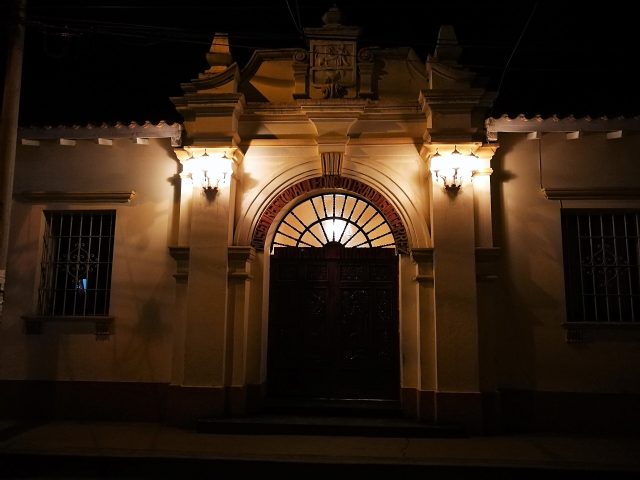
Mercado Modelo in Huánuco is one of those places where the city reveals itself without pretense, raw and unfiltered. There are no tourist traps here, no carefully staged corners for photos—just the noise, the smells, the bustle of everyday life that makes Peru feel so alive. Huánuco isn’t a city that draws crowds, and that only adds to the market’s quiet charm. It’s not a checkbox on a sightseeing list but a place for those who want to see how people live beyond the capital’s highways and resort towns.
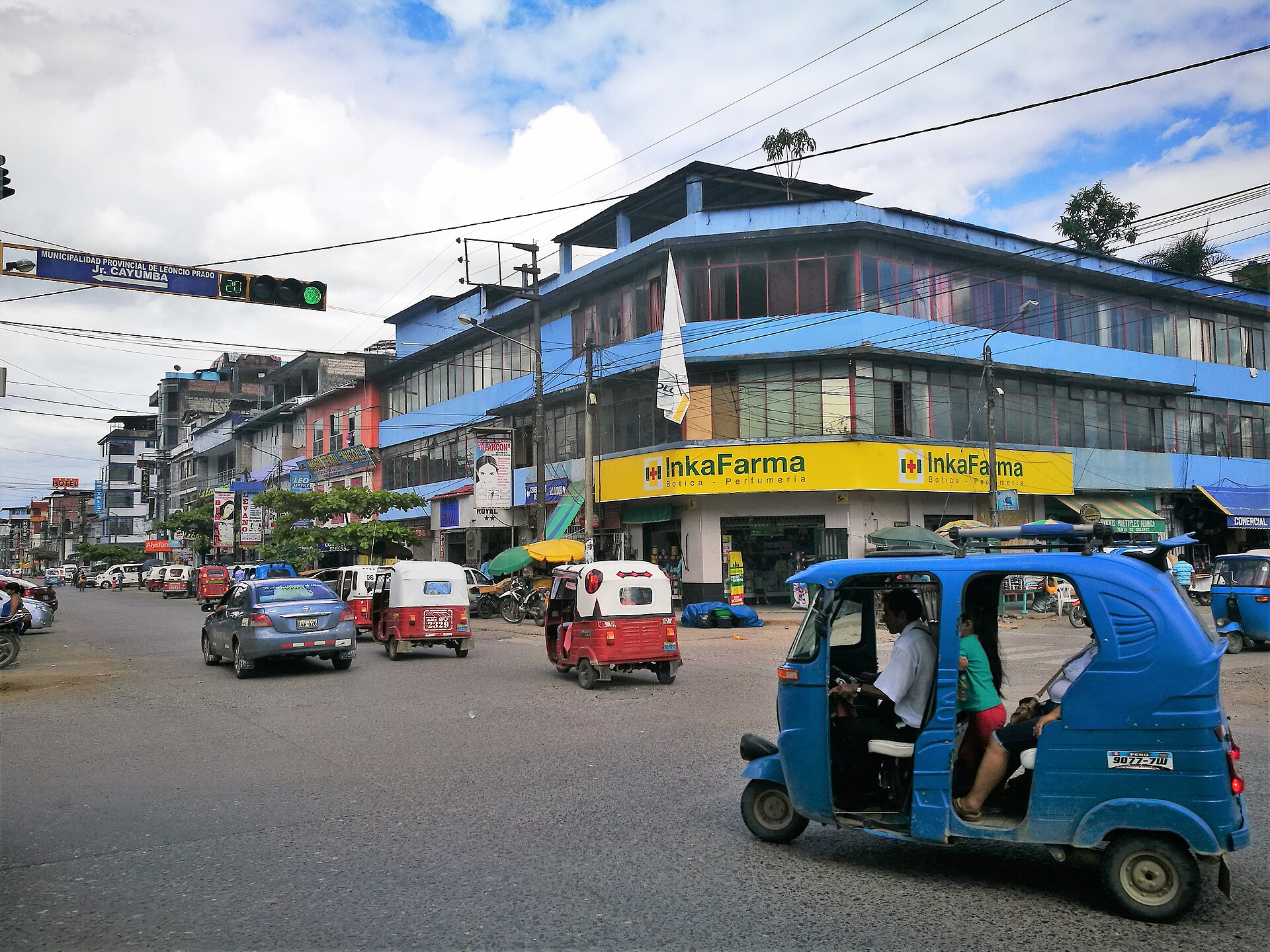
The market sprawls across a city block in the center, nestled between low-slung buildings with peeling paint and narrow streets where two cars barely squeeze past each other. There are several entrances, but the main gates open onto a square where fruit vendors gather in the mornings, and by midday, the crowds make it hard to move. Inside, the market feels like a maze: narrow passages between rows of stalls, rusted metal roofs overhead, and the constant hum of voices—laughter, shouts from vendors, music drifting from tiny eateries. If you listen closely, you’ll hear a mix of Spanish and Quechua, with many sellers switching between the two effortlessly.
Food is the heart of Mercado Modelo. Peruvian cuisine is famous for its diversity, and here you can see the ingredients that make it real. The stalls overflow with everything from familiar bananas and oranges to exotic fruits like lucuma and cherimoya, which you won’t find in a regular supermarket. In the meat section, carcasses hang, butchered according to local traditions, while nearby, seafood arrives fresh from the coast, despite Huánuco’s mountain location. Spices take up their own space—piles of red aji peppers, dried herbs, roots, and leaves whose uses might only be guessed at. Vendors often offer samples, and refusing is almost rude; it’s part of the ritual.
But Mercado Modelo isn’t just about food. You’ll find everything a household might need, from clay pots and woven baskets to cheap clothes and shoes imported from China. In one corner, cobblers and watch repairmen work at their benches; in another, women sell homemade herbal remedies and alcohol-based tinctures. There’s even a section where live chickens and guinea pigs are sold—a delicacy in Peru, reserved for special occasions. It all feels like a world unto itself, where everyone finds something they need.
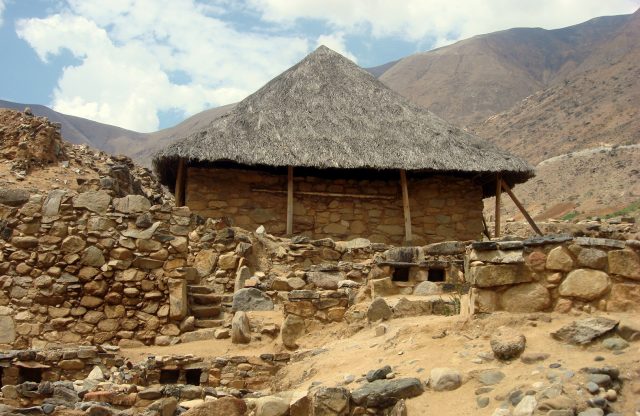
The market’s history is tied to Huánuco’s own. The city was founded by the Spanish in the 16th century on the site of an Indigenous settlement, and trade has always been central to its life. Huánuco sits on an important route between the coast and the jungle, and long before modern roads, caravans passed through with goods. Mercado Modelo grew from old fairs where traders from the region gathered. It’s been rebuilt a few times over the decades, but it’s kept its character—perhaps because Huánuco hasn’t changed as fast as Lima or Cusco, and there was never a need to tear down the old for the new.
The architecture is simple and practical. The main structures are long, single-story buildings with metal roofs, packed with stalls. Inside, space is used efficiently: aisles are narrow, ceilings low, and light filters in through small windows near the roof. It’s damp in the rainy season and stuffy in the heat, but locals don’t seem to mind. Some sections are covered, others open to the sky, and on sunny days, the shadows cast intricate patterns on the ground. The market looks a little worn, but that only makes it feel more real.
Visiting Mercado Modelo isn’t so much about shopping as it is about stepping into local life. You could spend hours just watching people haggle, chat, and catch up on news. Huánuco is a small city, and the market is where neighbors, relatives, and old friends run into each other. Vendors often know their regulars by name and might offer them a cup of coffee or a bowl of soup right at the stall. In one of the tiny eateries, you can try classic Peruvian dishes—ceviche made with fresh fish, llama soup, or fried chicken with spicy sauce. The food is simple but good, the kind people cook at home.
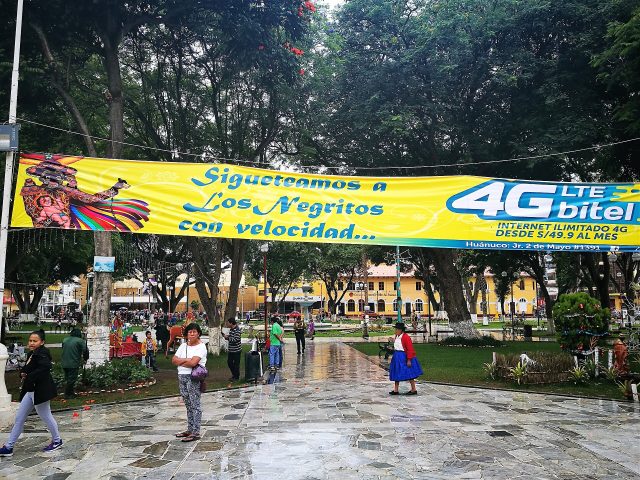
The market runs on its own schedule. Mornings are the busiest, when fresh produce arrives and vendors set up. By noon, things slow down, and after lunch, many stalls close. Weekends are crowded, but Mondays can feel half-empty. The best time to visit is on a weekday, when it’s lively but not packed. If you’re lucky, you might catch a local festival or fair, with music and dancing in the square outside.
Huánuco isn’t the kind of place you’ll find in most guidebooks, and Mercado Modelo is no exception. But that’s exactly why it’s worth seeing. There are no touristy souvenirs here, just the rhythm of everyday life, unfiltered and unscripted. It’s a place where you can feel the pulse of the city, understand what matters to its people, and see Peru as locals know it. Maybe that’s why those who come here often find themselves returning.