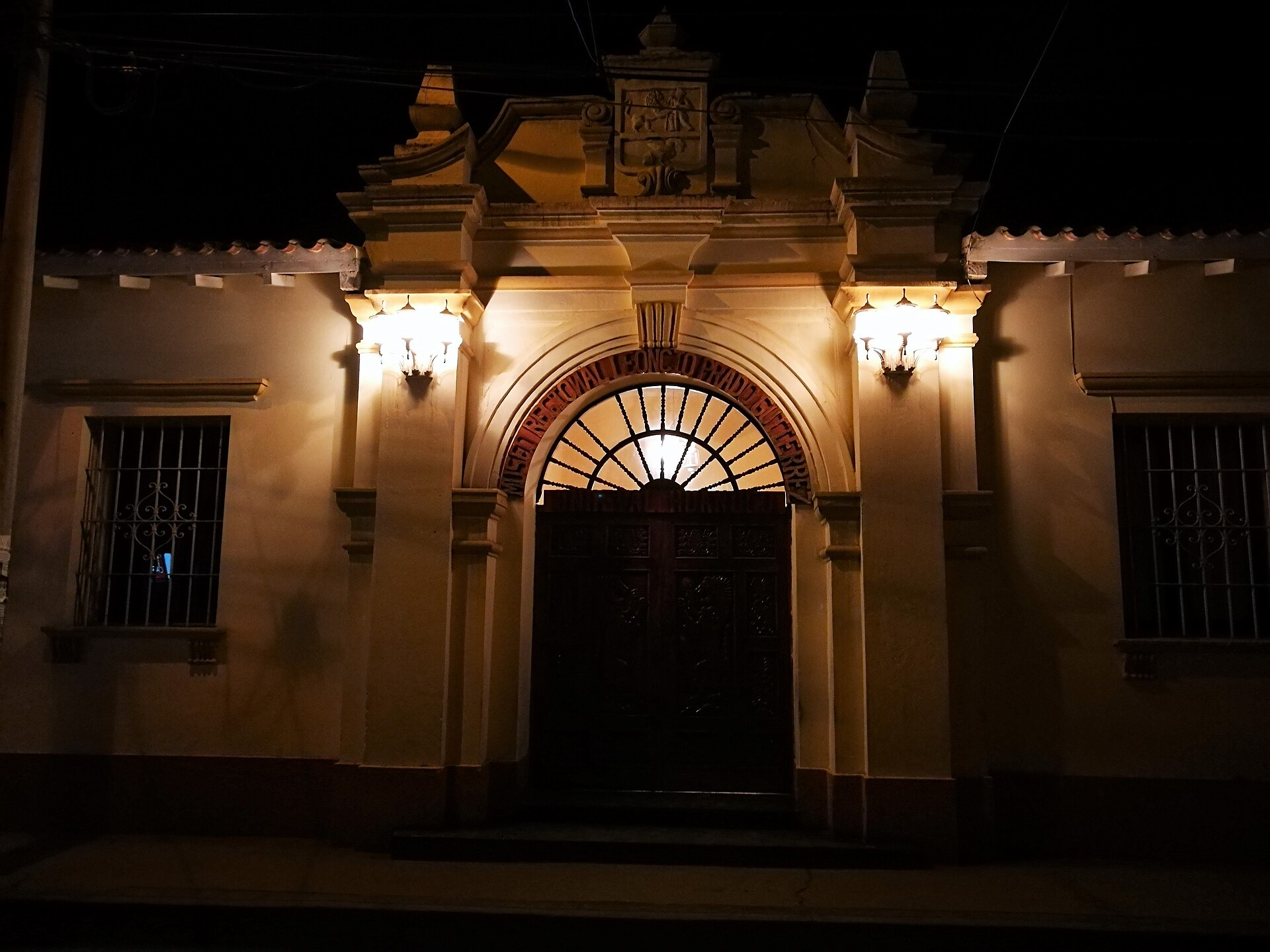
The Regional Museum of Huánuco is one of those quiet places where history doesn’t announce itself with grand displays but reveals itself in the small, telling details. Housed in a building that has witnessed centuries of change, it was once the residence of colonial officials before becoming an administrative hub in the early days of the republic. The structure itself is a relic of the past—thick adobe walls, high wooden-beamed ceilings, and a central courtyard with a fountain that still trickles with water. Time has worn the place down, but the atmosphere remains intact, as if the exhibits aren’t just on display but still part of the everyday rhythm of life.
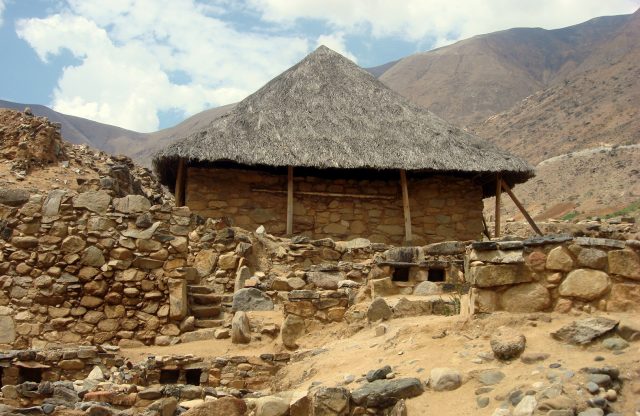
The museum’s collection spans thousands of years, from the earliest cultures that settled in the Huallaga Valley to the colonial era and the first decades of Peru’s independence. One of the most intriguing sections is dedicated to the Wari civilization, which predated the Incas and left behind enigmatic artifacts—ceramic vessels with geometric patterns, stone tools, and textiles that retain their vivid colors despite the passage of time. These objects don’t just showcase craftsmanship; they offer a glimpse into the daily lives of people who lived here long before European contact.
What sets this museum apart is its focus on the ordinary rather than the extraordinary. Unlike many Peruvian museums that highlight gold and precious metals, here the emphasis is on the items that mattered to the people themselves—clay pots for cooking, wooden farming tools, and alpaca wool clothing worn by Andean peasants. There’s even a reconstruction of a traditional dwelling, showing how families arranged their homes in the foothills. This approach isn’t accidental; it reflects a philosophy that sees history not as a series of grand events but as a continuous flow of human experiences.
A separate hall is devoted to the colonial period, when Huánuco served as a key stopover between Lima and the highlands. The exhibits include yellowed documents—letters, maps, tax records—as well as everyday items from Spanish settlers, like silver spoons, crucifixes, and Latin books. But the most striking pieces are those that tell the darker side of the era: wooden shackles used to punish Indigenous people for defiance, or records of forced labor in the mines. These artifacts serve as a reminder that Peru’s history isn’t just about empires and conquests but also about the struggles that often go unmentioned.
In recent years, the museum has expanded its focus to include more recent history. One room features photographs of Huánuco from the early 20th century, when the city still retained its colonial character and traditional ponchos mingled with European-style suits on the streets. Another exhibit highlights the region’s agricultural heritage, with old plows, seeds of native crops, and images of farming families at work. Together, these displays create a sense of continuity, as if the past and present exist side by side, inseparable from one another.
The museum rarely sees large crowds, which is part of its charm. Visitors can take their time exploring the exhibits, sitting in the courtyard, or listening to the soft murmur of the fountain. Occasionally, there are small lectures or workshops on traditional crafts, but more often than not, the place moves at its own unhurried pace, much like Huánuco itself. The city isn’t a major tourist destination, and the museum doesn’t try to be one. It doesn’t aim to impress or entertain; it simply preserves the memory of those who came before.
For those with a deeper interest in Andean history, the museum offers something rare. It doesn’t compete with the Inca artifacts found in Cusco or Lima but instead presents the region’s past through the eyes of its Indigenous people. This is history without embellishment, where grandeur and everyday life coexist, where heroism and routine share the same space. Perhaps that’s why the museum leaves a lasting impression—not because of any single exhibit, but because of its quiet, unassuming authenticity. It’s the kind of place that lingers in the mind long after you’ve left.