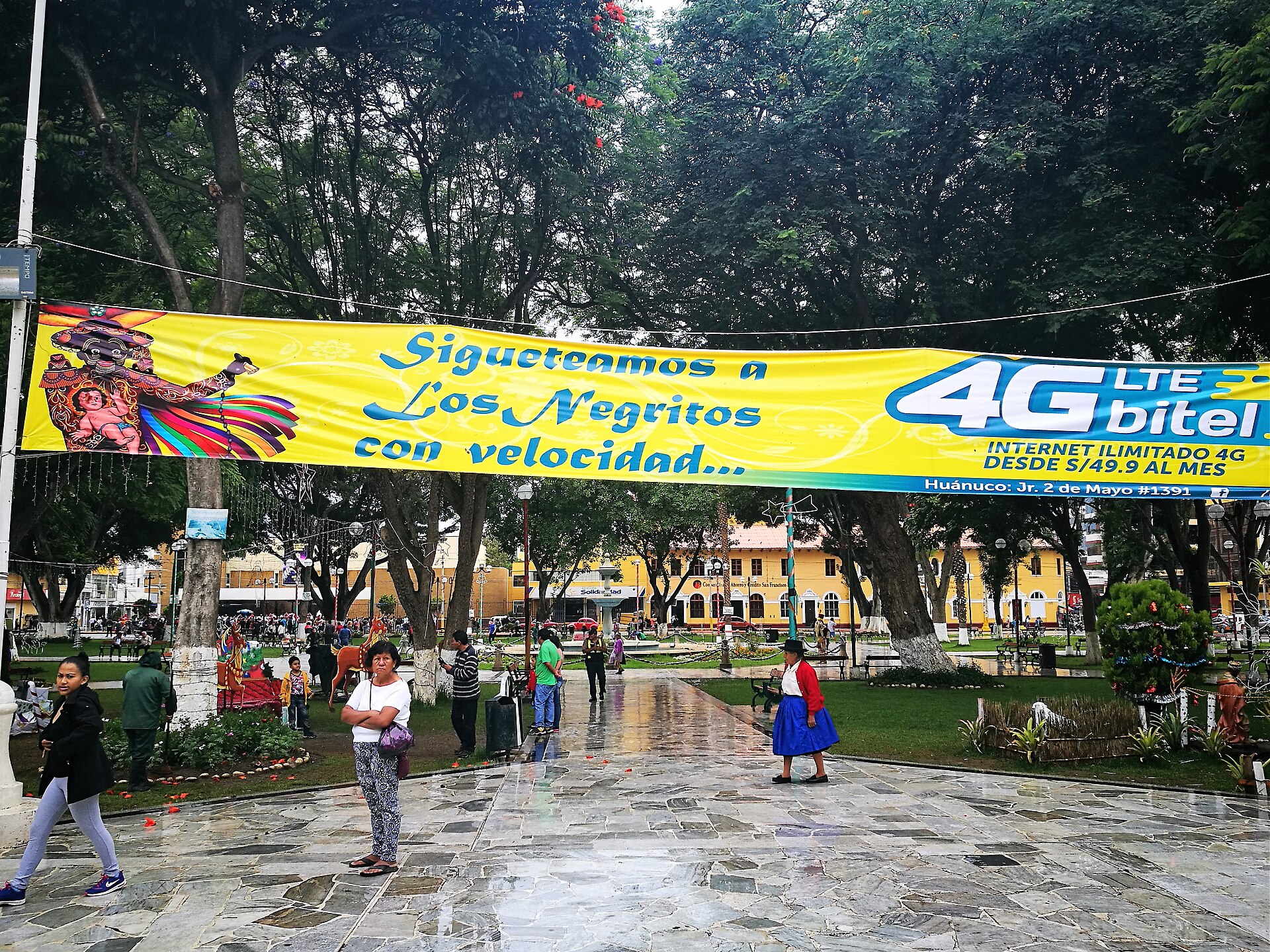
Plaza de Armas in Huánuco is one of those places where a city reveals itself slowly, without the rush or the polished veneer of tourist hotspots. There are no crowds here like in Cusco or Lima, but there’s a quiet charm—a blend of colonial history and the unhurried rhythm of provincial life. The square is framed by low buildings with wooden balconies painted in soft pastels, their carved details adding a touch of warmth. At its center stands a fountain, a gathering point where locals pass through at all hours: some hurrying to work, others lingering on benches, watching the day unfold.
Huánuco rarely makes it into guidebooks, and that’s part of its appeal. Nestled in the Huallaga River valley at around two thousand meters above sea level, the city is surrounded by the Andes, though the mountains here are gentler than those in the south. They still shape the pace of life, though, and Plaza de Armas has always been its heart. Founded by the Spanish in the 16th century, Huánuco was once a vital stop on the trade routes between the coast and the Amazon. Mule caravans carrying goods from the jungle would pause here, and the square was where deals were struck and decisions made that affected the lives of local communities.
The architecture around the plaza is classic for colonial Peruvian towns, though with a more understated character. Unlike the grand facades of Lima or Arequipa, the buildings here are modest but inviting. Wooden balconies, often intricately carved, overhang the sidewalks, offering shade from the midday sun. The churches and houses follow a restrained baroque style—whitewashed walls, dark wooden doors, and wrought-iron window grilles. The most prominent structure is the Cathedral of Huánuco, built in the 17th century. Its exterior is simple, but inside, old altars and faded murals hint at a time when the church was not just a place of worship but a hub of social life.
Plaza de Armas isn’t just a historical landmark; it’s a living part of the city. In the mornings, small markets set up along its edges, selling fresh fruit, vegetables, and local sweets. By noon, the heat drives most people indoors, but as evening falls, the square comes alive again. Teenagers kick soccer balls across the cobblestones, elderly men chat on benches, and sometimes a street musician will play a tune. On weekends, artisans gather to sell handwoven textiles, pottery, and silver jewelry mined from the surrounding hills.
Huánuco doesn’t try to impress visitors, and that’s what makes it special. There are no pushy tour guides or crowds of foreigners. Plaza de Armas is a place where you can simply sit and watch life go by, soaking in the unhurried rhythm of a Peruvian provincial town. Around the square, small cafés and restaurants serve hearty, uncomplicated food—grilled chicken with spicy sauce, quinoa soup, or a rich beef stew. It’s the kind of place where you can order a cup of local coffee or a glass of chicha, the traditional corn drink that’s been enjoyed here for generations.
The history of Huánuco and its main square is deeply tied to the broader story of the region. The city was founded in 1539 by the Spanish conquistador Gómez de Alvarado, but long before that, indigenous groups like the Yarowilca and Huánuco peoples lived in the valley. The Spanish chose the location for its fertile land and the river, which provided both water and a transportation route. During colonial times, Huánuco became an important stop on the way to the Amazon, and Plaza de Armas witnessed everything from trade negotiations to uprisings against Spanish rule.
Today, Huánuco is a quiet provincial city where time moves at a slower pace than in the capital. Plaza de Armas remains its center, though not as bustling as it once was. There’s no metro, no skyscrapers, no big-city rush—just the steady rhythm of daily life, where every cobblestone seems to hold a memory. If you wander down the narrow streets leading away from the square, you’ll find old houses with inner courtyards, still home to families with roots stretching back to Spanish settlers and indigenous ancestors.
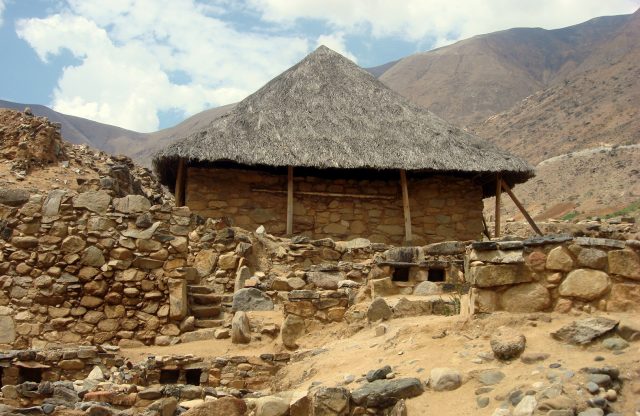
For visitors, Plaza de Armas is the natural starting point for exploring Huánuco. From here, you can set off on walks through the surrounding area—climb a nearby hill for a view of the valley or head to the river, where fishermen cast their lines for trout. Just a few kilometers outside the city lie the ruins of Kotosh, an ancient settlement where archaeologists discovered a temple over four thousand years old. It’s a reminder that Huánuco’s history began long before the Spanish arrived.
Plaza de Armas isn’t just a square; it’s a reflection of everything that makes Huánuco what it is. There’s no grandeur here, just authenticity—a quality that’s increasingly rare in the modern world. The city doesn’t try to be a tourist attraction, and that’s its greatest strength. Here, you can experience Peru beyond the usual routes, see the unhurried way of life, and understand why, for locals, this square is more than just a meeting place. It’s a symbol of their history, their culture, and the quiet, enduring rhythm of their daily lives.