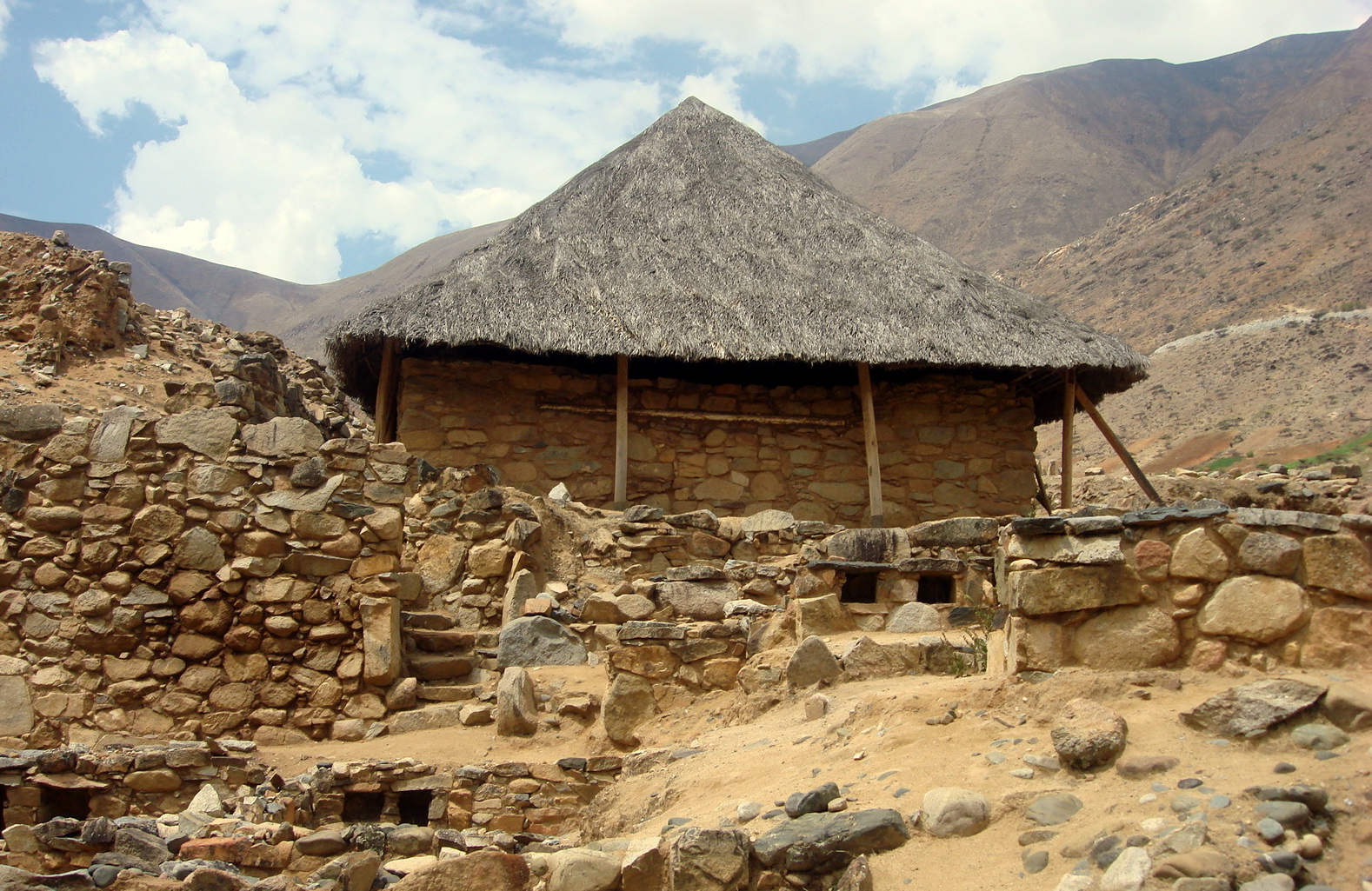
Kotosh is one of those quiet corners of Peru that most travelers overlook, yet it holds the echoes of civilizations far older than the Inca. Tucked away in the Huallaga Valley near the city of Huánuco, this archaeological site dates back to around 2500 BCE, belonging to the Kotosh culture that thrived long before the rise of the Andean empires we know today. For those drawn to the pre-Columbian past, Kotosh offers a rare glimpse into a society that mastered agriculture, pottery, and early religious practices, leaving behind structures that hint at a surprisingly advanced way of life.
The architecture here is striking in its simplicity and purpose. Built from stone and clay, the ruins reveal a thoughtful approach to space—homes, temples, and communal areas arranged with an understanding of function that feels almost modern. The most famous structure is the Temple of the Crossed Hands, a small building where two pairs of sculpted arms rest across a chest, their meaning still debated. Some see a symbol of fertility, others a gesture of reverence for ancestors or deities. Whatever the interpretation, the reliefs remain one of the most enigmatic discoveries in the region, a silent testament to beliefs we can only guess at.
Kotosh is often linked to the later Chavín culture, which spread across the Andes and influenced many of the civilizations that followed, including the Inca. Scholars suggest that some of the ideas and symbols that defined Chavín may have originated here, making Kotosh a kind of cradle for Andean thought. Unlike the crowded ruins of Machu Picchu or Cusco, Kotosh sees few visitors, which only adds to its appeal. There are no tour buses or souvenir stalls, just the quiet hum of the past—imagine the bustle of ancient markets, the murmur of prayers, the hands of artisans shaping clay into vessels that would one day be unearthed by archaeologists.
The Huallaga Valley itself is a place of gentle beauty, framed by rolling green hills and rivers that have sustained life for millennia. The climate is mild, the land fertile, and the descendants of the valley’s original inhabitants still live nearby, keeping traditions alive. Locals share stories of mountain spirits and river guardians, and some even speak of the ruins as a place where the past lingers, where the shadows of the builders still move among the stones. These tales may be folklore, but they lend the site a sense of continuity, as if the boundary between then and now is thinner here than elsewhere.
Visiting Kotosh is a chance to see Peru beyond the postcards. There are no crowds, no vendors hawking trinkets, no guides reciting rehearsed scripts. Instead, there’s the wind rustling through the grass, the occasional voice of a farmer working the fields, and the quiet weight of history underfoot. The journey here isn’t easy—from Huánuco, the road winds through the mountains, rough in places—but that’s part of what makes it worthwhile. Those who make the trip are rewarded with a view of the country as it once was, unfiltered by tourism.
Kotosh is a reminder that Peru’s story didn’t begin with the Inca. Long before them, other cultures flourished, leaving behind ruins just as compelling. This site is a bridge between eras, a place where the layers of time feel tangible. For archaeologists, it’s a treasure trove; for travelers, it’s an invitation to reflect on how little we truly know about the civilizations that came before us. The ruins don’t offer easy answers, but they ask the right questions.
Today, Kotosh is protected as a national heritage site, though the infrastructure for visitors is minimal. There are no museums, no interpretive signs, no visitor centers—just the ruins themselves, set against the backdrop of the valley. A few markers point out key structures, but otherwise, the site is left largely as it was found. That lack of polish is part of its charm. There’s no attempt to impress, no curated experience, just the raw presence of the past. The stones, the earth, the sky—it’s all the same as it was thousands of years ago. In that simplicity lies Kotosh’s greatest strength: it doesn’t need to explain itself. It simply endures.