Jerusalem doesn’t just exist at Mahane Yehuda—it moves. From morning until night, the market fills with voices in Hebrew, Arabic, Russian, and English. The air carries the smell of fresh bread, roasted nuts, and spices. Stalls line narrow alleys, each with something to sell or a story to tell.
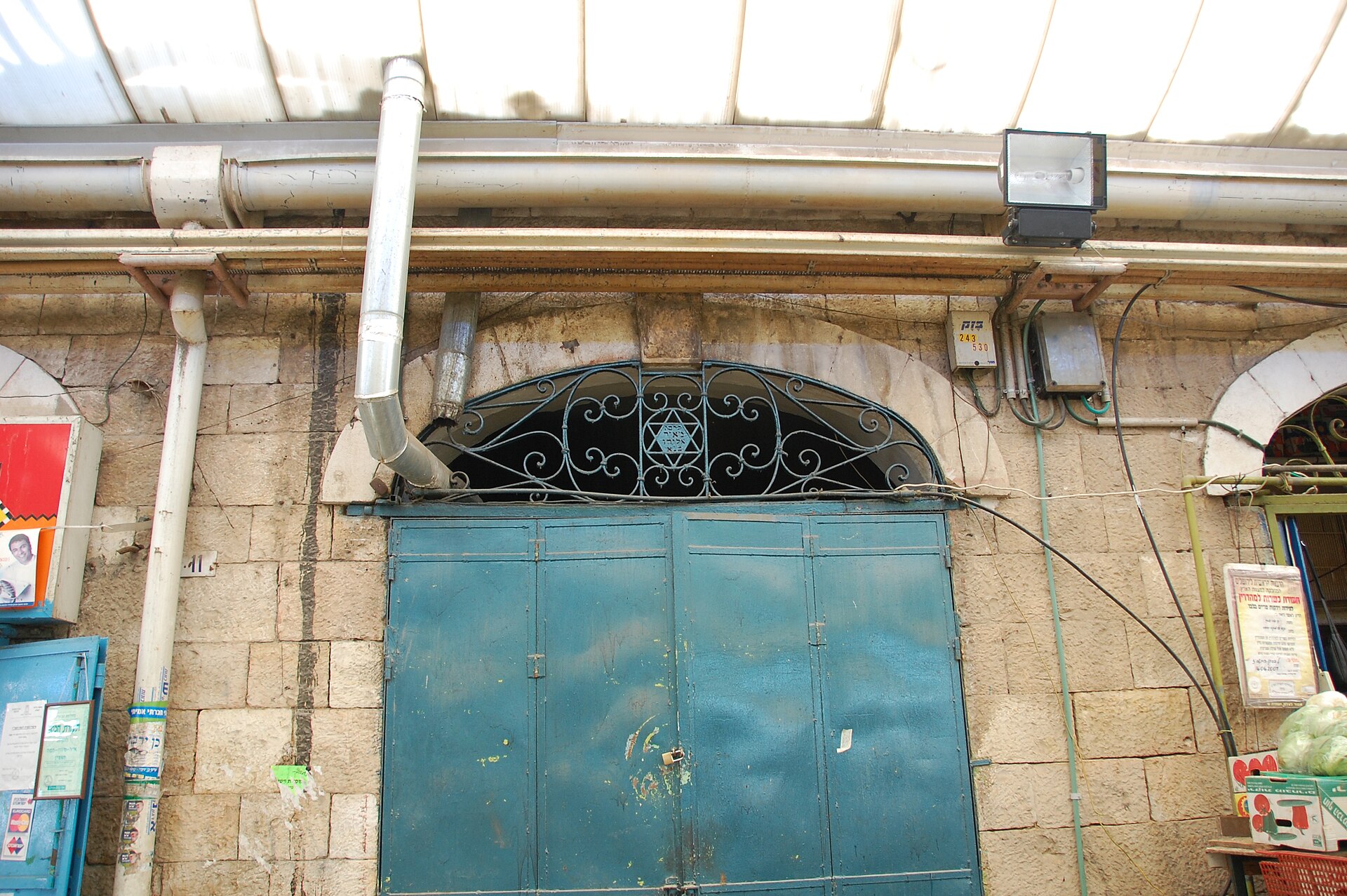
The market sits between Jaffa Street and Agripas Street, a stretch of stone and metal that has been Jerusalem’s commercial center for over a century. It began in the late 1800s, when the Old City’s markets were too small for the growing population. By the 1920s, under British rule, it took its current form—covered rows of stalls, tight passageways, and a layout that feels both planned and accidental. It was named after the Mahane Yehuda neighborhood, honoring a Jewish soldier who died in 1917 during the British conquest.
For decades, the market reflected Jerusalem’s diversity. Jewish, Arab, Christian, and Armenian vendors sold goods from across the region. Olives from Nablus, dates from Jericho, and spices from Damascus shared space with local produce. Even now, walking through the market feels like stepping into the city’s layered past.
The stalls are packed tight. Narrow aisles, worn smooth by footsteps, wind between piles of pomegranates, figs, and prickly pears in season. Spices—turmeric, cumin, sumac, za’atar—spill from sacks. Vendors explain how to use them: in stews, over labneh, or mixed into dough. The meat and fish sections show whole lambs hanging and sea bass, dorade, and sea urchins laid out. Near the entrance, bakeries sell Jerusalem bagels—soft, sesame-crusted rings.
Food isn’t the only thing here. Small eateries serve hummus thick and creamy, drizzled with olive oil, with warm pita and pickled vegetables. Falafel and shawarma fry nearby, their scent mixing with tahini. Turkish coffee, strong and sweet, comes in tiny cups. By evening, the market changes. Bars and cafes fill with people, music spills onto the streets, and the smell of grilled kebabs and freshly baked kanafeh takes over.
The market has seen conflict. In the 1940s, during the Arab revolt, tensions between Jewish and Arab traders sometimes turned violent. After 1948, many Arab vendors moved to East Jerusalem, and the market became predominantly Jewish. During the Intifadas, it was targeted in attacks. Yet it survived. Today, Russian is as common as Hebrew, a result of immigration from the former Soviet Union in the 1990s. Many newcomers opened stalls or cafes, adding to the market’s mix.
For locals, Mahane Yehuda is part of life. Families shop here weekly for Shabbat. Vendors know their regulars by name. Customers trust them like old friends. In a time of supermarkets and online deliveries, the market offers something else: a sense of knowing where your food comes from and who grew it. Bargaining isn’t just about price—it’s about connection. A conversation with a vendor might turn into a story about the neighborhood.
Visitors often find the market overwhelming. The noise, the crowds, the smells—it’s a lot. But that’s the point. There’s no polished tourist experience here. Just the real Jerusalem. To understand Mahane Yehuda, you have to slow down. Buy a pomegranate from an elderly vendor and let him show you how to pick the sweetest one. Order coffee from a barista who remembers your name. Sit on a bench and watch people pass. Wander into a stall selling homemade pickles and jams, where jars are labeled in handwritten Hebrew and flavors are passed down through families.
In recent years, the market has changed. Trendy coffee shops, wine bars, and art galleries have moved in. Some say it’s losing its soul. Others say it’s evolving. The truth is, Mahane Yehuda has never stayed the same. It’s a place where different eras, cultures, and generations meet. That’s why people keep coming back—because it’s alive, shaped by the people who pass through and the stories they leave behind.