Lamu’s market isn’t just a place where goods change hands—it’s the living pulse of the old town, a rhythm that has beaten here for centuries. Long before the island took its current shape, these same narrow streets saw caravans laden with ivory, spices, and human cargo pass through. Today, the market still hums with the same energy, though the goods have changed. Fish glisten on wooden slabs, pyramids of mangoes and coconuts rise from the ground, and bolts of brightly dyed fabric flutter in the breeze. There are no fluorescent lights or orderly stalls here, just stone-paved alleys where the scent of smoked fish mingles with cinnamon and salt, and the walls of coral-stone houses hold the weight of generations.
The day begins before dawn, when the air is still cool enough to breathe. Fishermen arrive first, their boats just returned from the night’s work, unloading silver dara, plump tuna, and octopus with tentacles curled like question marks. Fish isn’t just merchandise here—it’s part of the fabric of life. Locals know which vendor to trust, how to spot the freshest catch, and when to haggle. But with neighbors, there’s no need for bargaining; these are people they see every day, whose children play together in the same dusty lanes. Soon after, the fruit sellers appear, their carts piled high with papayas, pineapples, and the small, sun-sweetened mangoes that grow only on the nearby islands. These aren’t the uniform, waxed fruits of supermarkets; they’re uneven, bruised in places, bursting with juice that runs down your chin if you’re not careful.
But the market offers more than food. Wander deeper into the maze of alleys, and you’ll find stalls selling everything from intricately carved wooden chests to brass lamps with patinas of age. The real treasures, though, are the textiles. Swaths of kangas—cotton wraps printed with proverbs or geometric patterns—hang alongside Indian silks and the thick, striped kikoi cloths worn by men along the coast. Some vendors still dye fabric by hand, using bark, roots, or indigo, a process that takes days but yields colors so deep they seem to glow from within. If you’re lucky, you might see a woman hunched over a length of cloth, her hands moving in slow, deliberate motions as she applies dye with a brush made from coconut husk.
The market is also where the town gathers. Old men sit on wooden benches, debating politics or the latest gossip from Mombasa. Children dart between stalls, their laughter ringing off the stone walls, while women balance baskets of produce on their heads with effortless grace. Strangers are noticed immediately, but not with suspicion—more with curiosity, and often an invitation to sit, to talk, to share a cup of spiced tea. On some days, a musician might appear, playing the *taarab* or the *oud*, his fingers coaxing melodies that have traveled across oceans. Or a storyteller might settle onto a low stool, drawing a crowd with tales that blur the line between history and myth. These stories aren’t just entertainment; they’re how the past is kept alive, passed down in the same way the market itself has endured.
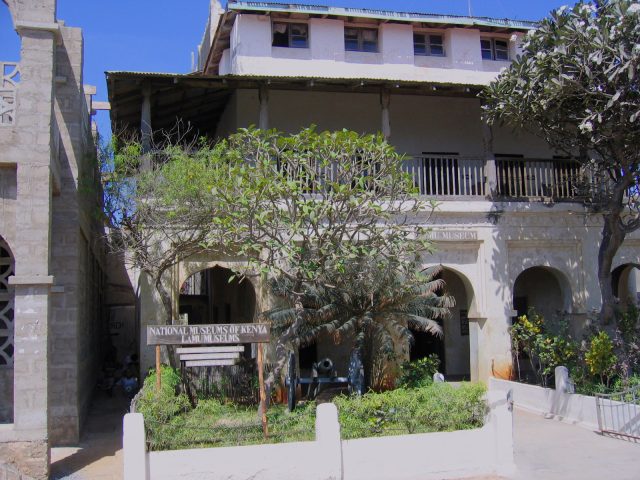
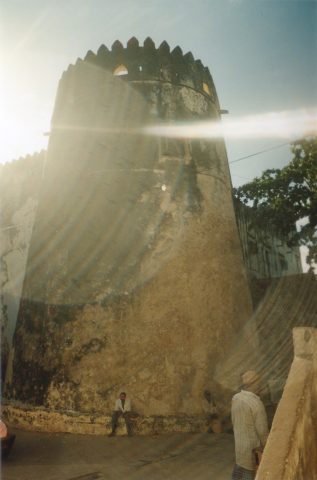
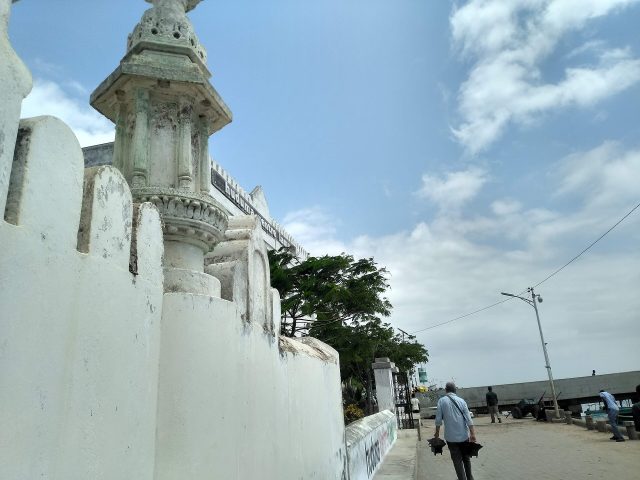
The architecture of the market is inseparable from the town’s history. The buildings are made of coral stone, quarried from the island’s own shores, their thick walls and small windows designed to keep out the midday heat. Many structures look as if they haven’t changed since they were first built, their wooden balconies sagging slightly, their doors carved with the intricate arabesques favored by Swahili traders centuries ago. These doors weren’t just decorative—they were a status symbol, a way for merchants to display their wealth and taste. The more elaborate the carving, the more prosperous the household. Some of these doors still bear the marks of time, their once-vibrant paint faded, their edges worn smooth by generations of hands.
The market shifts with the seasons. During the long rains, the alleys turn to muddy streams, and the crowds thin, but when the skies clear, life returns in full force. The busiest time is during the monsoon, when dhows arrive from Oman, Yemen, and India, their holds filled with goods that can’t be found at other times of the year. Suddenly, the air is thick with the scent of frankincense and cardamom, and stalls appear selling silver jewelry, Persian rugs, and bolts of cloth so fine they seem to float. Occasionally, a camel might amble through, its owner leading it from the mainland with sacks of grain or firewood strapped to its back. The animal’s slow, deliberate steps contrast with the market’s usual bustle, a reminder that Lamu still moves to its own unhurried rhythm.
For visitors, the market is a window into a way of life that has remained largely unchanged for centuries. There are no souvenir shops selling mass-produced trinkets, no hawkers shouting prices in broken English. Instead, there’s the quiet negotiation of daily trade, the clatter of pots as women cook lunch over open fires, the way a vendor might wrap your purchase in a scrap of newspaper without a second thought. If you’re hungry, you can try *biriani*, its rice fragrant with saffron and cloves, or *mahamri*, sweet, deep-fried dough balls dusted with sugar. The food is simple, but it’s prepared with the same methods that have been used for generations, and it tastes like nowhere else.
This isn’t a place that exists for tourists. It’s a place where people live, where traditions are both preserved and slowly reshaped by time. You can buy almost anything here—fish, fabric, a hand-carved door—but what you’ll remember most is the sense of stepping into a world that has refused to hurry. Things do change in Lamu, but they change slowly, almost imperceptibly, like the tide wearing away at the coral stone. And perhaps that’s the real magic of the market: not that it’s frozen in time, but that it moves at a pace that feels human, as if the past and present have found a way to coexist without one swallowing the other.