Lamu’s Riyadha Mosque is one of those quiet places that doesn’t announce its importance but instead holds within its walls the layered history and daily life of the island. Standing where Arab, African, and Indian influences have blended for centuries, the mosque is a living record of that past. Unlike grand mosques built to impress with scale and opulence, Riyadha is unassuming—its simplicity is precisely what makes it remarkable. There are no gilded domes or marble columns here, just a stillness that settles over you the moment you step inside.
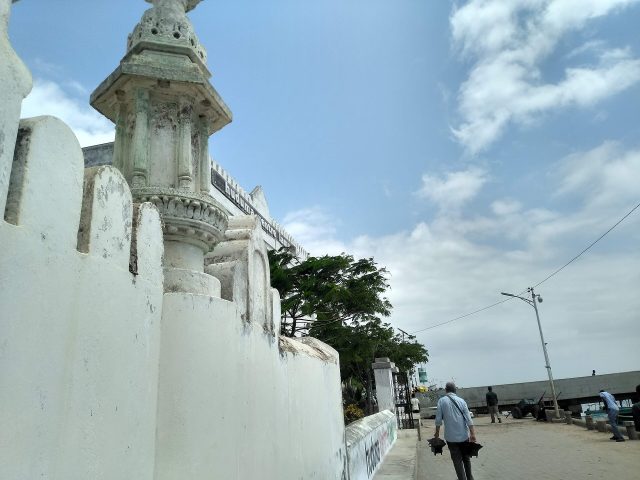
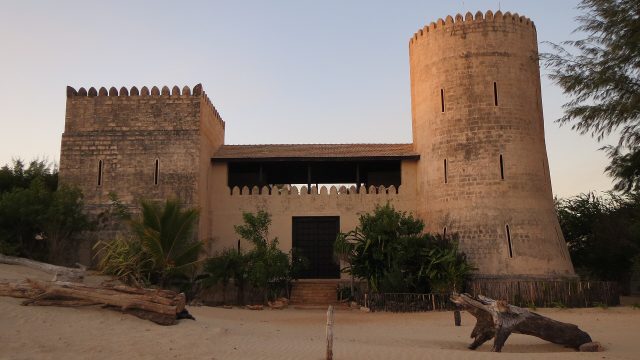
The architecture tells a story in stone and wood, shaped by the Swahili coast’s traditions. Thick walls of coral limestone, quarried from the island itself, keep the heat at bay, while high ceilings and wooden beams create a sense of openness. The mihrab, the niche pointing toward Mecca, is adorned with intricate carvings that echo the patterns found in Lamu’s old houses. These designs aren’t just decoration; they’re a language passed down through generations of craftsmen, each cut and curve carrying the skill of those who came before.
Riyadha Mosque is deeply tied to Lamu’s history as one of East Africa’s oldest continuously inhabited towns. The island was a thriving trade hub as early as the ninth century, drawing merchants from Oman, India, and even China. Islam took root here long before it spread inland, and the mosque, built in the 19th century, reflects that legacy. It wasn’t just a place of worship but a cornerstone of community life, where traders returning from long voyages and local families gathered. The walls have absorbed the prayers and conversations of generations, making it more than just a building—it’s part of the island’s living culture.
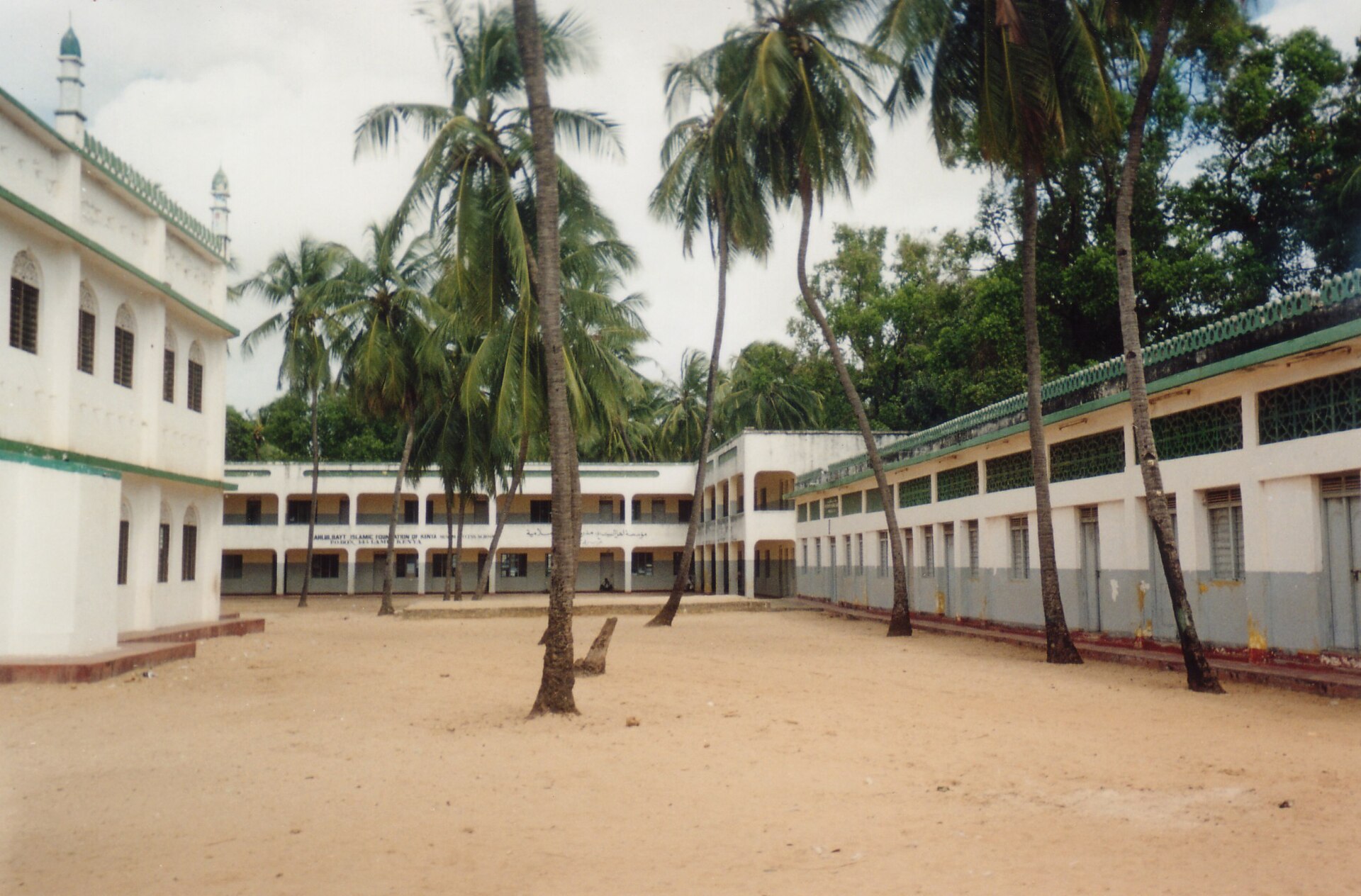
Today, the mosque remains active, and that vitality is immediately apparent. Unlike tourist sites that feel like museum pieces, Riyadha is still very much in use. There are no signs with rules or strict barriers, just the quiet rhythm of daily life set by its worshippers. The call to prayer drifts through Lamu’s narrow streets at dawn and dusk, while during the day, the courtyard offers a cool retreat for those who want to sit and reflect. Visitors are welcome, but it’s understood that this is a place of reverence—modest dress is expected, and photography inside isn’t customary. These unspoken norms don’t feel restrictive; they simply remind you that you’re stepping into a space where faith and tradition are inseparable.
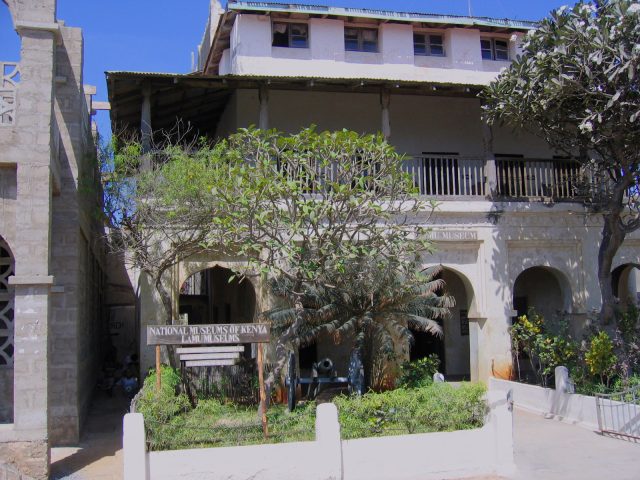
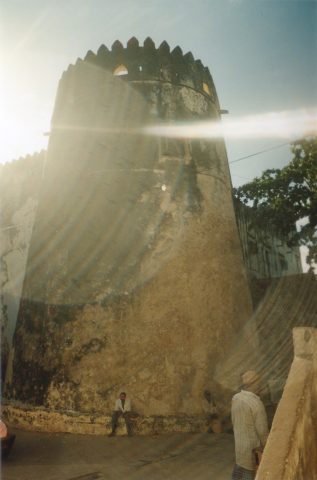
The area around the mosque is a world of its own. Lamu’s labyrinth of streets, too narrow for even bicycles, feels frozen in time, with donkeys as the only mode of transport. The houses, like the mosque, are built from coral limestone, their carved wooden doors hinting at the status of their owners. Nearby, small shops sell spices, fabrics, and handmade crafts, while a short walk leads to the waterfront, where fishermen mend their nets and dhows bob in the Indian Ocean. The mosque isn’t just a landmark here—it’s part of a larger tapestry, where the past and present coexist seamlessly.
For travelers who come to Lamu seeking more than beaches and safaris, Riyadha Mosque offers a glimpse into the island’s authentic culture. There’s no rush, no crowds, just the chance to experience a way of life that has remained largely unchanged for centuries. You can spend hours in the courtyard, watching children play in the sand or listening to elders share stories, the distant sound of the ocean weaving through the air. In that sense, Riyadha isn’t just a mosque—it’s a window into a world where time moves at its own pace.
Lamu and its mosques, including Riyadha, have largely escaped the modernization that has transformed other East African cities. There are no skyscrapers, no wide boulevards, no bustling markets—just narrow alleys, shaded courtyards, and a quiet broken only by the cry of gulls or the call to prayer. That’s why the island draws those who aren’t looking for entertainment but for something real. Riyadha Mosque, in many ways, embodies what Lamu has managed to preserve: a harmony between people, architecture, and the natural world.
Visiting the mosque isn’t about ticking off a checklist or capturing the perfect photo. It’s an opportunity to step into something larger than yourself. There’s no need to hurry or document every detail. Just come, sit on one of the stone benches in the courtyard, and let the place tell its story. That’s the quiet magic of Riyadha—it asks nothing of you but respect and attention, and in return, it offers a sense of peace and connection to something enduring.