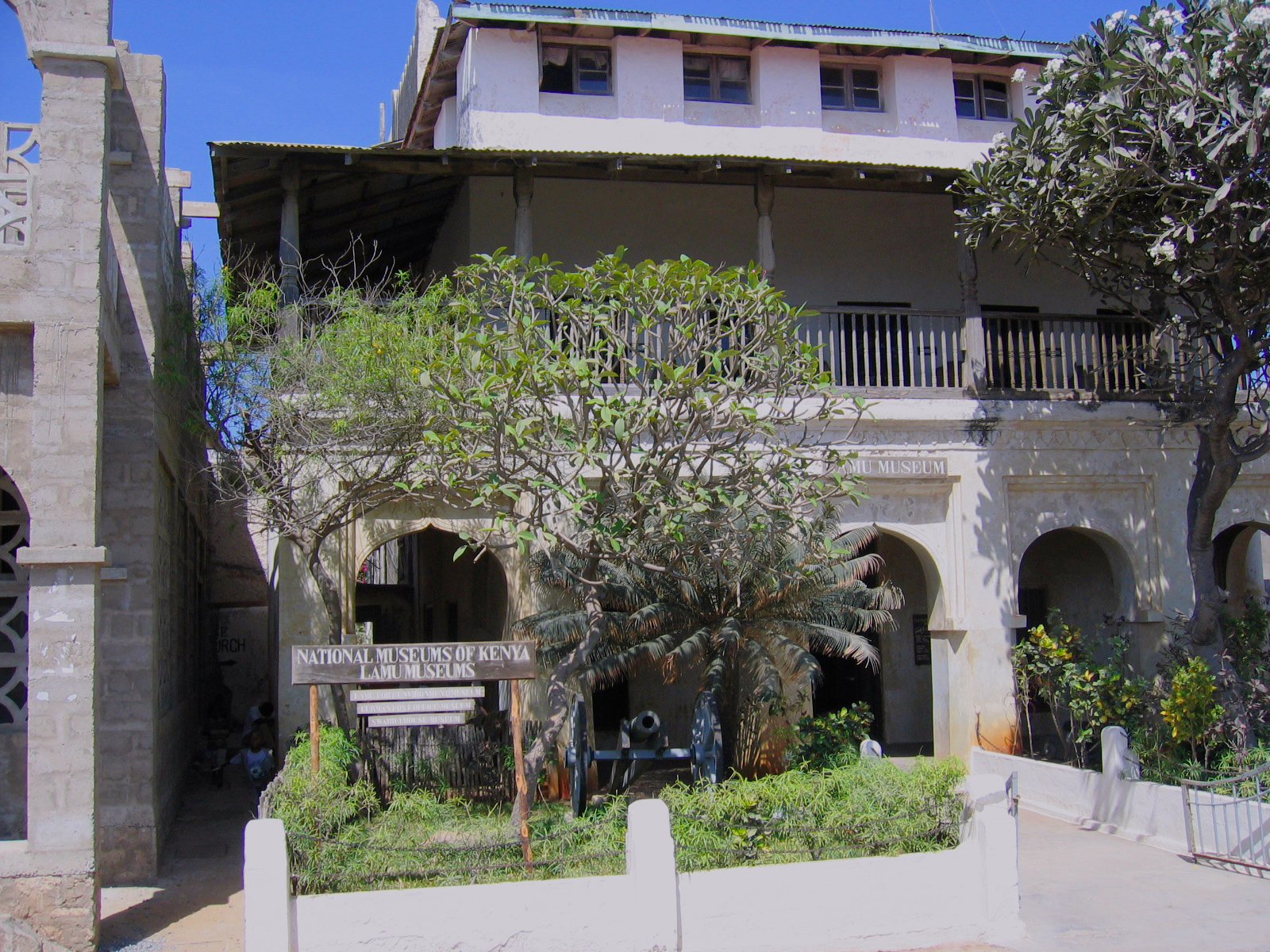
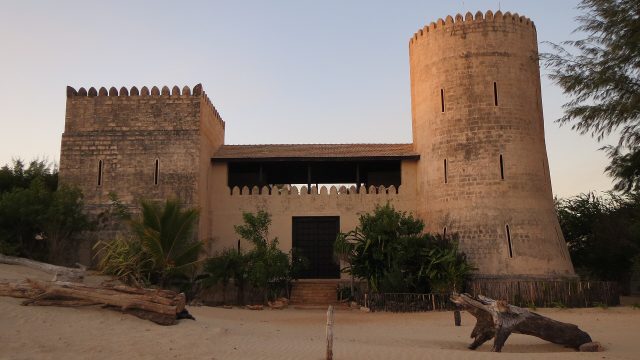
The Lamu Museum isn’t just a place to see artifacts—it’s where the layers of the island’s past and present come together in a quiet, unassuming way. Housed in a 19th-century coral-stone mansion, the building itself is a piece of history. The thick walls, carved wooden doors, and central courtyard with its fountain are classic examples of Swahili architecture, designed to keep out the heat and let in the sea breeze. The house once belonged to a local merchant, and walking through its rooms feels like stepping into another era, where trade, culture, and daily life were inseparable.
The museum tells the story of Lamu and the wider Swahili coast, a region that has long been a crossroads of civilizations. For centuries, this stretch of East Africa connected with Arabia, India, and even China through maritime trade. The exhibits include old navigation tools, coins from different periods, and ceramics that arrived on ships from distant lands. There are also models of dhows, the traditional sailing vessels still used by fishermen and traders today. These boats, with their simple yet elegant design, are a reminder of how deeply the sea has shaped life here—providing food, transport, and a link to the wider world.
One section of the museum is dedicated to Swahili culture, a blend of African, Arab, and Indian influences that took root along this coast. The displays include intricately carved furniture, textiles with geometric patterns, and jewelry made from silver and coral. Wedding attire and ornaments, passed down through generations, are particularly striking. They’re not just decorative—they carry meanings tied to family, hospitality, and social standing. Even the musical instruments on show hint at the rhythms that have filled Swahili homes for centuries.
The museum also reaches further back in time, with artifacts from early settlements in the area. Fragments of pottery and tools, some dating back to the first few centuries AD, suggest that people have lived here for millennia. Lamu was one of the first places on the East African coast to develop permanent communities, and these objects offer a glimpse into what life might have looked like long before the Swahili civilization took shape.
A more somber part of the collection addresses the history of the slave trade. Like many coastal towns, Lamu was a port where enslaved people were bought and sold. The museum doesn’t shy away from this painful past, displaying documents, chains, and other items that serve as a stark reminder of the suffering endured here. It’s a difficult section to walk through, but an important one—history isn’t just about the moments we celebrate, but also those we must remember.
Beyond its permanent exhibits, the museum often hosts temporary displays focused on contemporary art and local crafts. Visitors might find artisans demonstrating traditional weaving, woodcarving, or jewelry-making, keeping skills alive that have been handed down for generations. Occasionally, there are workshops where you can try your hand at these crafts yourself. It’s a chance to see how traditions evolve, even as they remain rooted in the past.
The building itself is part of the experience. Restored with care, it retains its original features—the heavy wooden doors, latticed windows, and high ceilings that keep the interior cool. The central courtyard, shaded by galleries, is a peaceful spot where small concerts or talks are sometimes held. On quiet days, the only sounds are the rustle of palm leaves and the distant call to prayer from a nearby mosque.
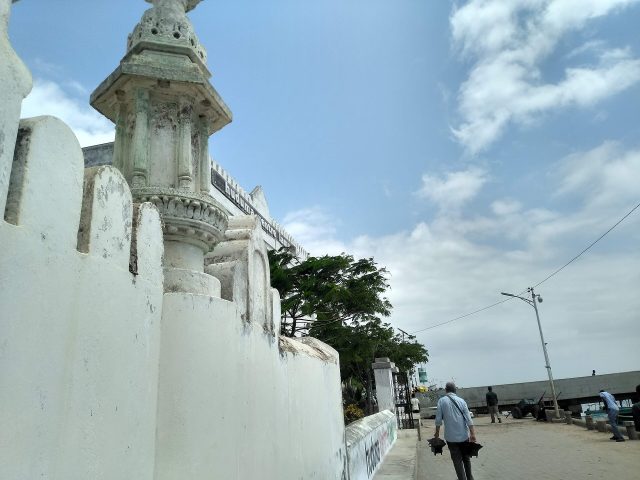
Lamu’s old town surrounds the museum, its narrow streets winding between coral-stone houses and mosques with tall minarets. After visiting, a walk through these streets feels different. The buildings, the boats at the harbor, even the scent of spices in the air—everything seems to carry a story. The museum doesn’t just preserve history; it makes you see the present through its lens.
Though small, the Lamu Museum has a significance that extends far beyond the island. It’s a place where the Swahili culture isn’t just something to observe, but something alive and ongoing. You might spend an hour or two here, but the sense of connection lingers. It’s a reminder that history isn’t just about the past—it’s about the people who shaped it and the ways their stories continue to unfold.