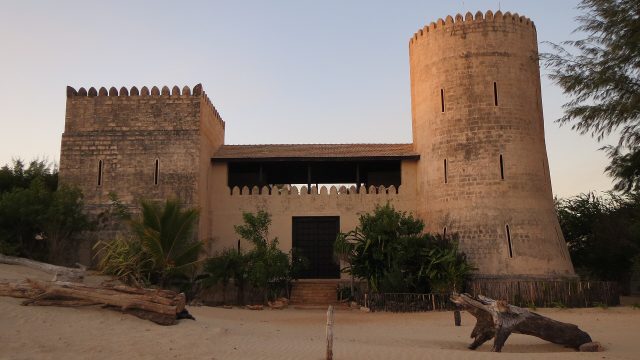
Lamu is one of those places where time seems to have paused. The town’s narrow lanes, paved with coral stone, wind between whitewashed houses with carved doors. The air carries the scent of spices and salt from the Indian Ocean, mixed with woodsmoke from open kitchens. The past lingers in the walls, in the light across courtyards, in the stories the sea breeze carries. Founded in the 14th century, Lamu has kept its Swahili soul. At its heart stands Lamu Palace, known locally as Mandra Nasir.
The palace was built in the late 19th century as the residence of Lamu’s ruler. The town thrived as a trade crossroads between Africa, Arabia, and India. Ships arrived with ivory, spices, and textiles. Others carried enslaved people. The palace saw the rise and fall of sultanates, colonial schemes, and shifting coastal influence. Today, its grandeur has faded, but the remaining fragments tell a story of ambition and change.
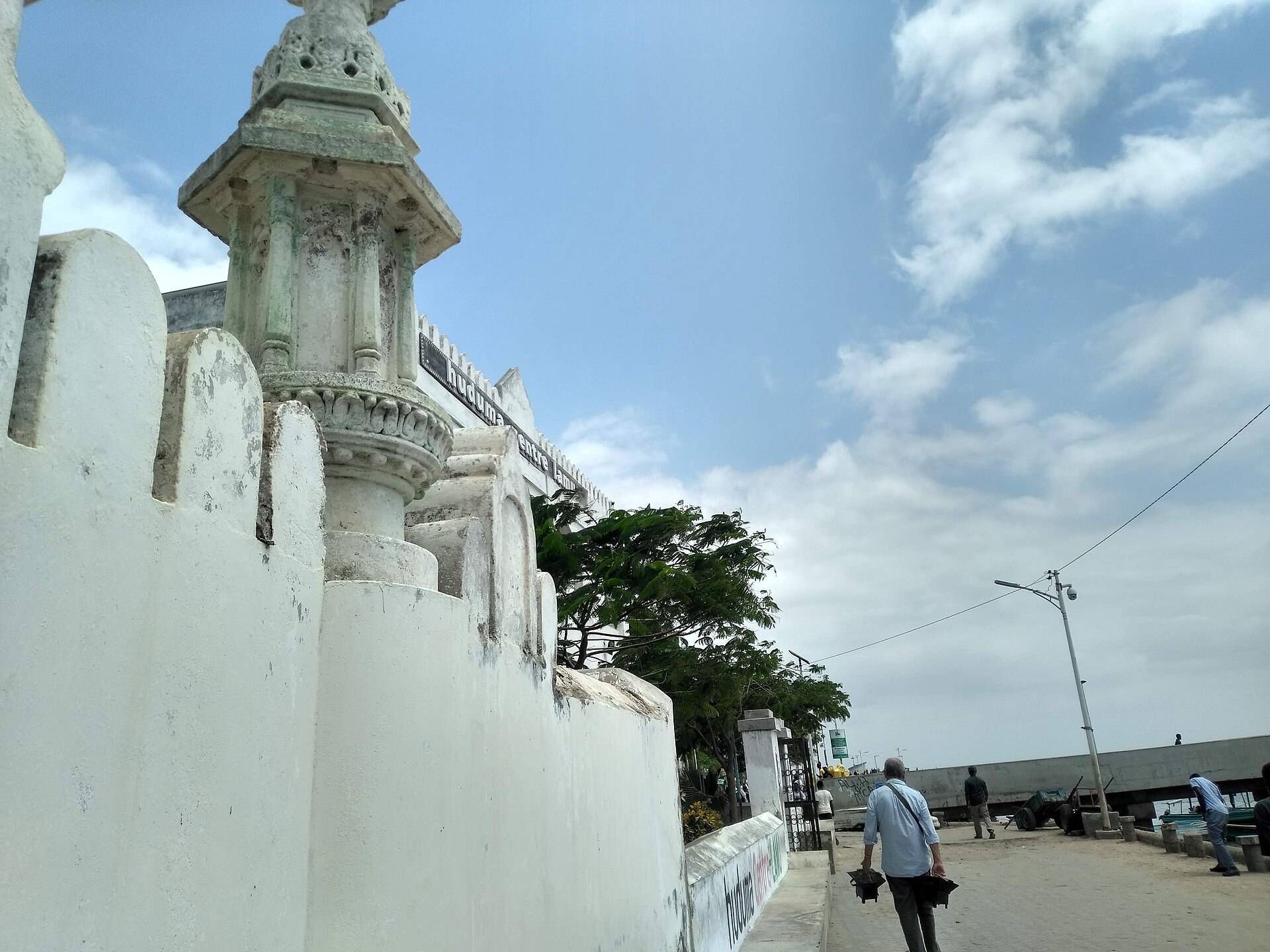
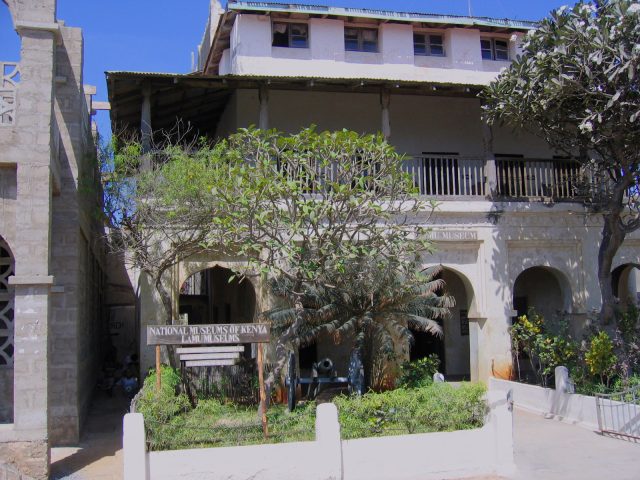
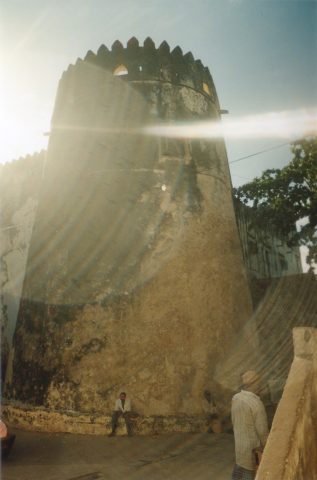
The architecture blends Swahili tradition and Arab influence. Thick coral walls rise to high ceilings, designed to keep heat out. Courtyards, once cooled by fountains, offer shade. Wooden balconies and doors are carved with geometric patterns and floral motifs. Inside, copper trays, handwoven textiles, and earthenware show how the elite lived—their meals, their clothes, their movements through these spaces.
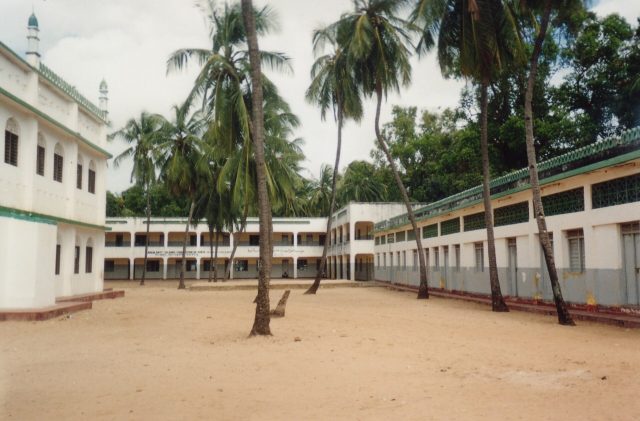
The central courtyard, framed by arched walkways, was where public life happened. The ruler held court, heard disputes, and met dignitaries. Now, it’s empty except for visitors sitting on stone benches. The rooms around it once housed the ruler’s family. Some are now small exhibits on Lamu’s trade role, its ties to Zanzibar and Oman, and its decline after commerce moved to Mombasa.
The palace’s fate mirrors Lamu’s. In the 19th century, the harbor was crowded with dhows, the streets with merchants. Later, as European powers reshaped trade, Lamu’s importance faded. The palace crumbled until restoration began in the mid-20th century. Today, it’s a museum and cultural space for festivals, art, and music.
For Lamu’s people, the palace is more than a relic. It’s a reminder of what the town was and what it still wants to be.
Visiting isn’t just about walking through an old building. The walls hold voices—traders haggling, diplomats negotiating, enslaved people whose names are forgotten. The palace no longer houses rulers, but it stands for Lamu’s resilience. Outside, the town moves slowly. Donkeys carry goods through alleys. Fishermen mend nets by the shore. Families gather on rooftops at sunset, sharing news.
Lamu doesn’t try to impress. Its charm is in its quiet persistence. The palace is a good place to end a day of wandering the streets. Sit in the courtyard. Run your fingers over the worn coral stone. The weight of centuries settles around you. You won’t hear echoes, but you’ll feel them—the way Lamu’s residents do, the way travelers have for generations.
This place stays with you. Not because it’s loud, but because it offers something rare: a sense of being part of something larger.