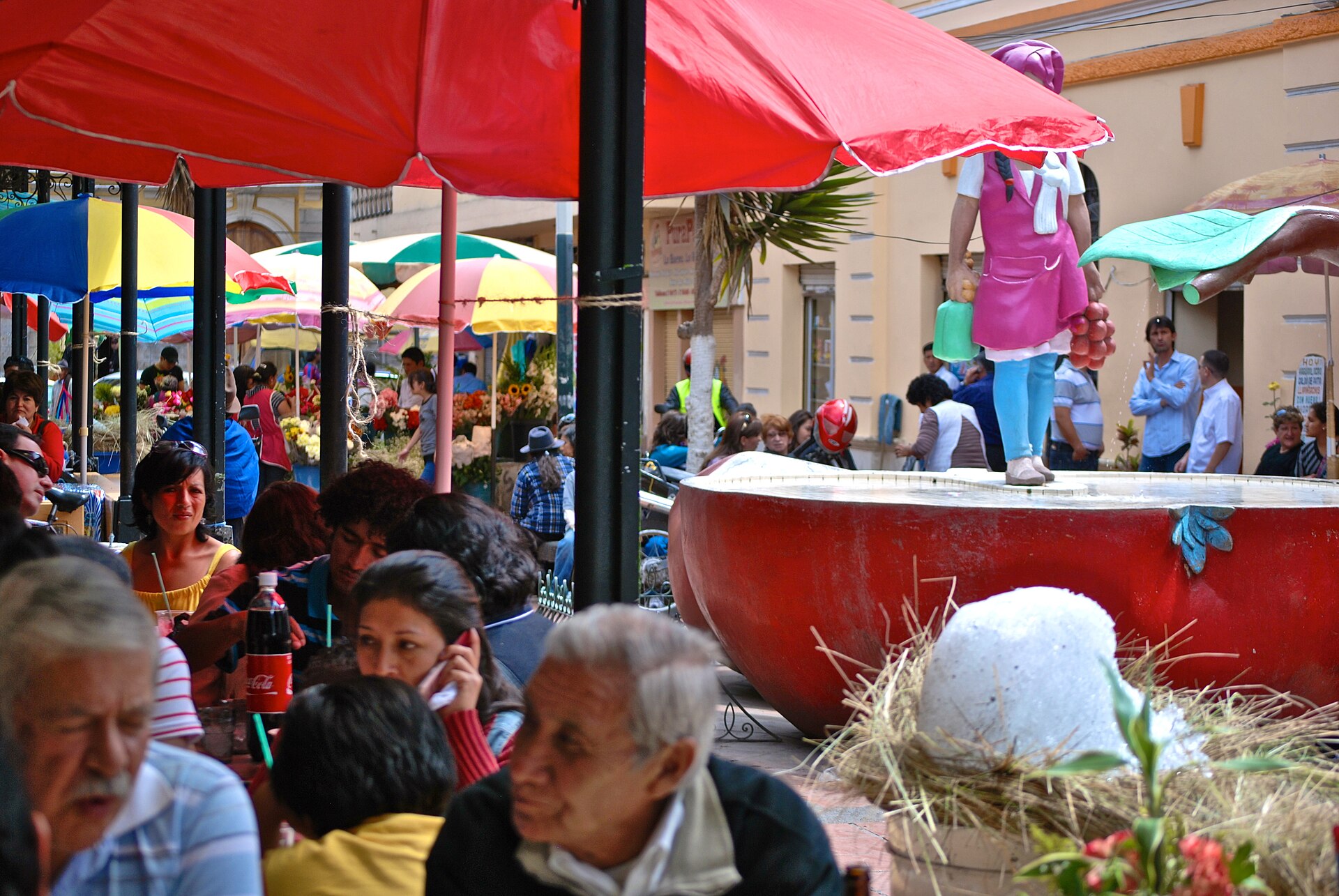
Walk into Mercado La Merced early, and the city hits you all at once. The air carries the sharp tang of cilantro, the smoky char of grilling meat, and the sweet rot of overripe mangoes. Voices rise and fall—vendors calling prices, shoppers debating, a child laughing somewhere between the stalls. This isn’t a place for staged photos. Here, people buy groceries, argue over change, and stop to chat with neighbors. By noon, the narrow aisles are packed, and the market moves at its own pace, indifferent to the clock outside.
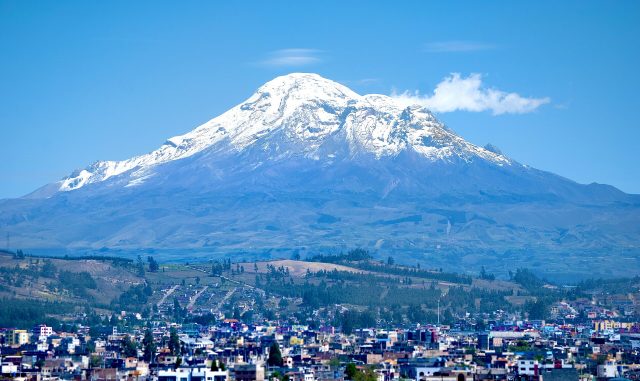
La Merced has stood in Riobamba for over a century. It began as a trading post, then grew into something bigger: a place where fish from the coast, potatoes from the highlands, and textiles from local weavers changed hands. The market has been rebuilt, but the core remains. The same families sell the same goods, and the same stories circulate between the stalls.
The building itself is plain. High ceilings, large windows, and a layout that makes sense if you’ve been here before. Meat counters line one wall, vegetables another. The seafood section smells of salt and ice, and the cheese corner holds wheels of queso fresco and crumbly panela. But the fruit section is where the market comes alive. Guavas, passionfruit, and cherimoyas sit next to lesser-known varieties like taxo and naranjilla. Some fruits you won’t find anywhere else.
The herb and spice section is where the market’s history feels closest. Women in brightly colored ponchos arrange bundles of dried plants, explaining their uses to anyone who asks. Aji peppers, used in nearly every Ecuadorian dish, sit next to lulo powder, which turns drinks tart. Some herbs are for tea, others for soup. Many have been used for centuries, long before supermarkets existed.
Between the stalls, food vendors serve lunch. Plates of llapingachos—potato pancakes stuffed with cheese and topped with peanut sauce—disappear quickly. Fritada, crispy pork with onions, is another favorite. For those willing to try, there’s cuy, roasted guinea pig, a dish eaten in the Andes for generations. The food is simple, cooked in plain sight, and eaten at shared tables. Students, workers, and families sit together, talking over their meals.
Spend an hour here, and you’ll see how the market works. Vendors call out prices. Shoppers haggle. Children weave between legs. Elders sit on benches, counting rosary beads. The scent of fresh bread mixes with fried corn, and a radio plays somewhere in the background.
La Merced doesn’t try to impress visitors. There are no tours, no signs in English, no stalls selling keychains. The market exists for the people who use it, and that’s why it feels real. If you visit Riobamba, come here. You won’t find souvenirs, but you’ll see the city as it is—not as it’s sold to tourists.