Kitale Market
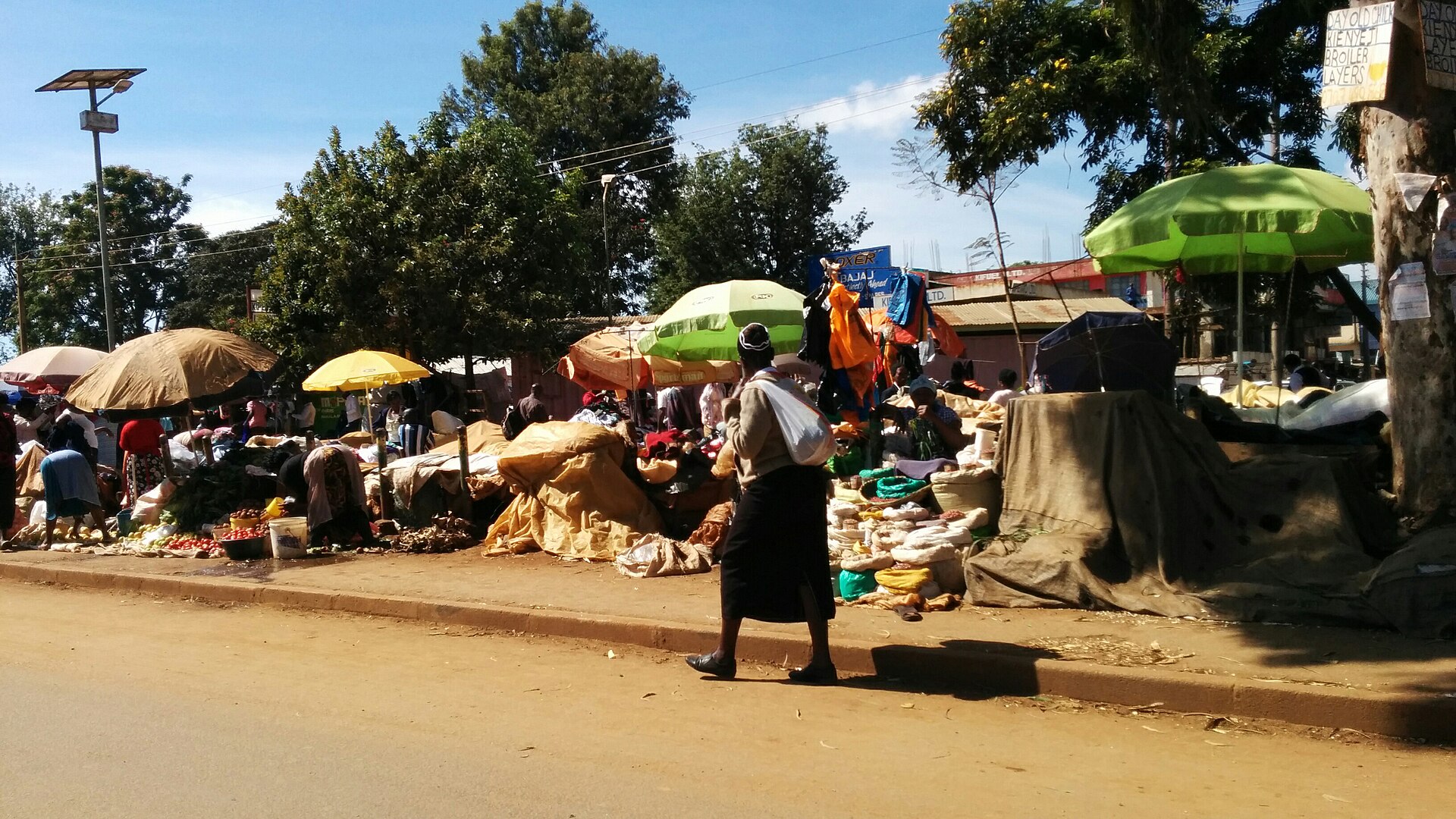
Kitale Market shows the city as it is—no polished facades, no tourist traps. It’s where locals trade, gather, and live. The market covers several blocks, a maze of corrugated iron roofs and stalls where the air carries bargaining, laughter, and the occasional goat’s bleat. There are no glossy displays, just commerce as it’s always been.
Kitale sits in western Kenya, near the Ugandan border. Its market is the town’s heartbeat. Farmers from the highlands bring their harvests: bananas still warm from the sun, pineapples too large for one hand, mangoes that drip when bitten. In dry season, stalls overflow with avocados and citrus; after rains, wild mushrooms appear, foraged near Mount Elgon. Prices aren’t fixed. A few extra shillings might buy sugar or greens. The women selling here know the value of every coin. They haggle with a smile, their kangas fluttering as they weigh spices or measure fabric.
The meat section stands apart. No refrigerators, just hooks holding freshly butchered carcasses. Flies buzz around beef and goat cuts. Butchers, aprons stained, work quickly, cleaving bone with ease. For outsiders, it’s jarring. For regulars, it’s routine. The meat is fresh, often slaughtered that morning. Nearby, fishmongers sell tilapia and Nile perch from Lake Victoria. Some is fresh, some dried or salted, stacked in baskets or on newspaper.
Spices fill another corner. You’ll find turmeric, coriander, chili powder, and pilipili—a fiery blend. Vendors scoop them into piles, wrapping them in paper or plastic. Unsure what to buy? They’ll offer advice. Many spices come from the coast, where coconut palms grow beside mango trees. It’s a reminder of Kenya’s varied landscapes and flavors.
Beyond food, the market sells everyday items. Plastic basins, aluminum pots, and enamel mugs stack in towers. Bolts of kanga fabric, bold and patterned, are measured by the meter. Women buy cloth for dresses or headscarves, bargaining before taking it to a tailor. Nearby, sandals made from old car tires—*makonde*—are cheap and durable. They’re perfect for dusty roads.
But the market isn’t just for trade. It’s where people talk, share news, eat together. In the shade, old men play *mancala*, fingers moving pebbles across the board. Children weave between aisles, some helping, others watching. At midday, vendors eat *ugali* with greens or roasted maize, voices mixing Swahili, Kalenjin, and English.
The market’s history ties to Kitale’s. The town began as a trading post in the early 1900s, a stop for goods between Uganda and central Kenya. Back then, cattle traded alongside European imports and Asian textiles. After independence, the market expanded, swallowing streets and alleys. The buildings are makeshift—wooden frames, rusted roofs, concrete floors worn by footsteps—but they hold generations of trade and survival.
Visit early, before the heat and before the best produce sells out. Don’t rush. Sit on a bench, watch light filter through the roof, listen to the rhythm. Try a passionfruit—its tart juice bursts on your tongue—or a slice of pineapple so sweet it stings. Want a photo? Ask first. This isn’t a tourist attraction. It’s where people work and lives unfold.
By late afternoon, vendors pack up unsold goods, sweeping debris into piles. The streets quiet, shouts fading into insect hums and stray dogs. Tomorrow, trucks will arrive with fresh produce, stalls will open, and Kitale’s market will pulse again at the town’s center.