Kitale is one of those quiet Kenyan towns that rarely makes it onto tourist itineraries. Nestled in the western highlands, it sits at around two thousand meters above sea level, where the air is crisp and the sky feels closer than in the humid lowlands. There are no crowded markets like in Nairobi or coastal beaches like in Mombasa—just a slow, unhurried rhythm of provincial life, surrounded by rolling hills and patches of savanna. The streets are lined with low-rise buildings and greenery, and the pace here is set by the land itself.
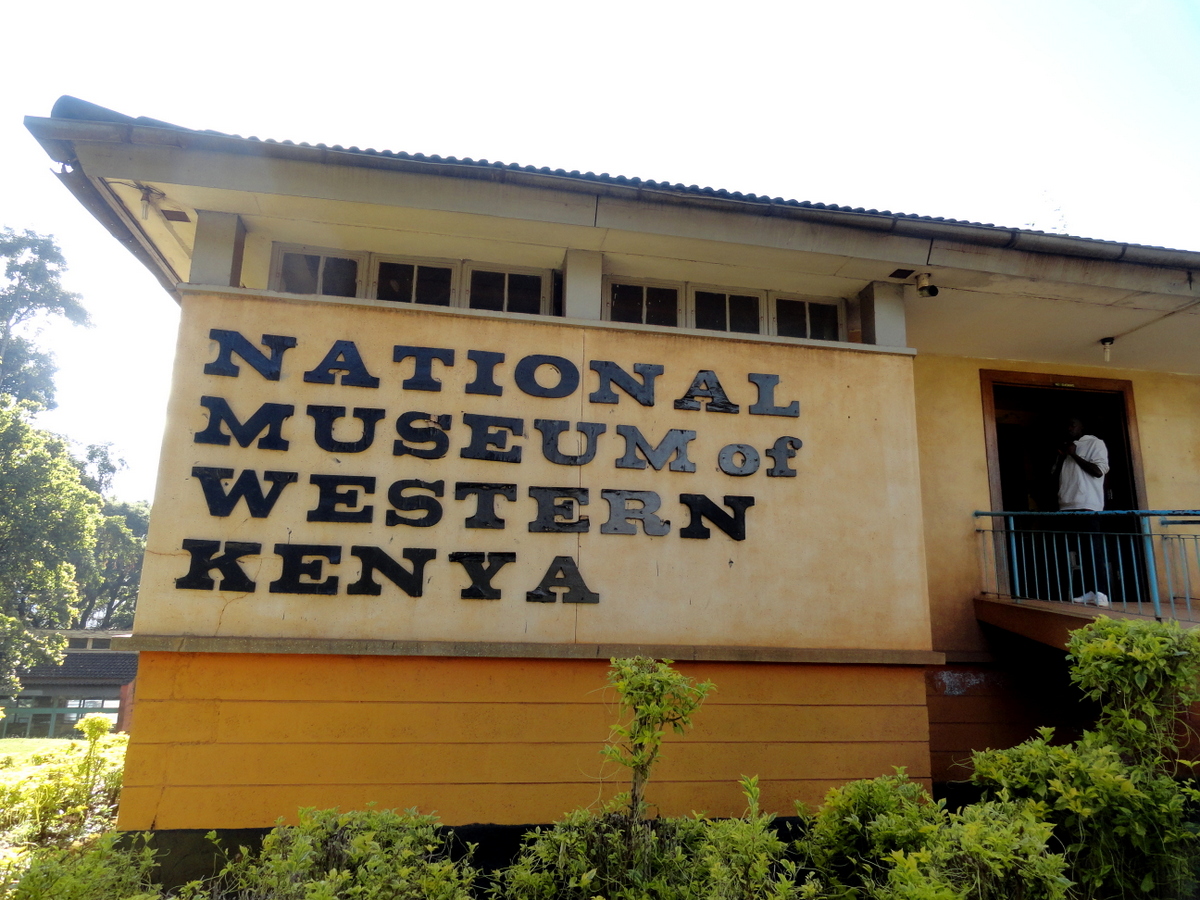
Tucked among these streets is the Kitale Museum, a place that offers more than just a glimpse into the town’s past. It occupies a building with its own history—a former colonial administrator’s residence, constructed in the early 20th century. The architecture is unmistakably of its time: thick walls of local stone, high ceilings, and large windows designed to catch the breeze. Inside, some of the original features remain, though they now serve as a backdrop for exhibits that tell a different story—one of the people who have lived in this region for generations.
The museum’s collection focuses on the cultures of western Kenya, particularly the Turkana, Elgeyo, Marakwet, and Pokot communities. Traditional tools, household items, jewelry, and clothing fill the displays, offering a sense of how life was organized before colonial influence. There are intricately woven baskets, clay pots shaped by hand, and beaded ornaments that once signaled status or identity. The exhibits on hunting and gathering—bows, arrows, spears, and traps—hint at a time when survival depended on reading the land and understanding its rhythms.
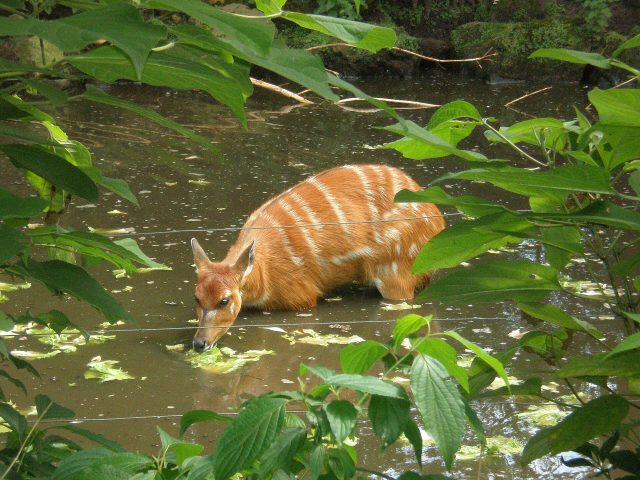
One of the more unexpected sections is the paleontology hall, where fossils of ancient animals found in the area are on display. Bones of prehistoric elephants, hippos, and early relatives of giraffes suggest a landscape that was once far wetter and more forested than it is today. These remains, some discovered in nearby Saiwa Swamp National Park, provide a glimpse into the region’s deep past, long before human settlement.
Beyond the past, the museum also touches on modern life in western Kenya. Exhibits showcase contemporary crafts—baskets, pottery, and beadwork—that are still made today, proving that tradition and innovation often go hand in hand. Nearby, photographs and documents trace the region’s role in Kenya’s struggle for independence and its place in the country’s political evolution. It’s a reminder that history isn’t just about distant events but about how people adapt and move forward.
Outside, the museum’s small botanical garden offers a quiet contrast to the indoor exhibits. Acacias, euphorbias, and other native plants grow here, their shapes familiar to anyone who has traveled through Kenya’s drylands. Scattered among them are replicas of traditional dwellings—round huts made of mud and thatch, the kind that once housed entire families. Walking through the garden feels like stepping into a different era, one where life was shaped by the seasons and the land’s resources.
Visiting the Kitale Museum isn’t about flashy displays or cutting-edge technology. It’s a straightforward, unvarnished look at how people have lived in this part of Kenya—how they’ve adapted, what they’ve valued, and how their way of life has changed over time. The visit doesn’t take long, maybe an hour or two, and the entry fee is modest. The staff are usually welcoming, and it’s not uncommon to see school groups passing through, as the museum is part of the local curriculum.
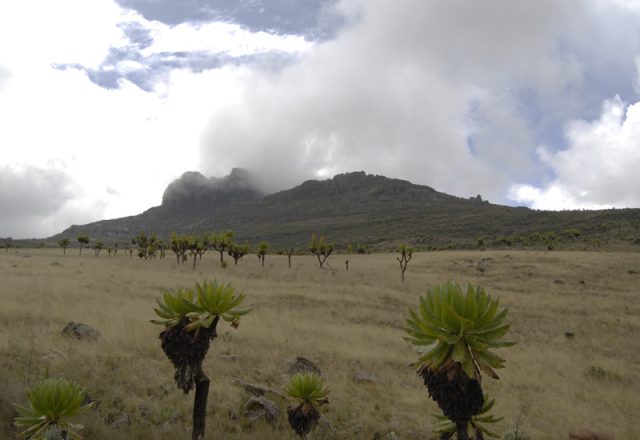
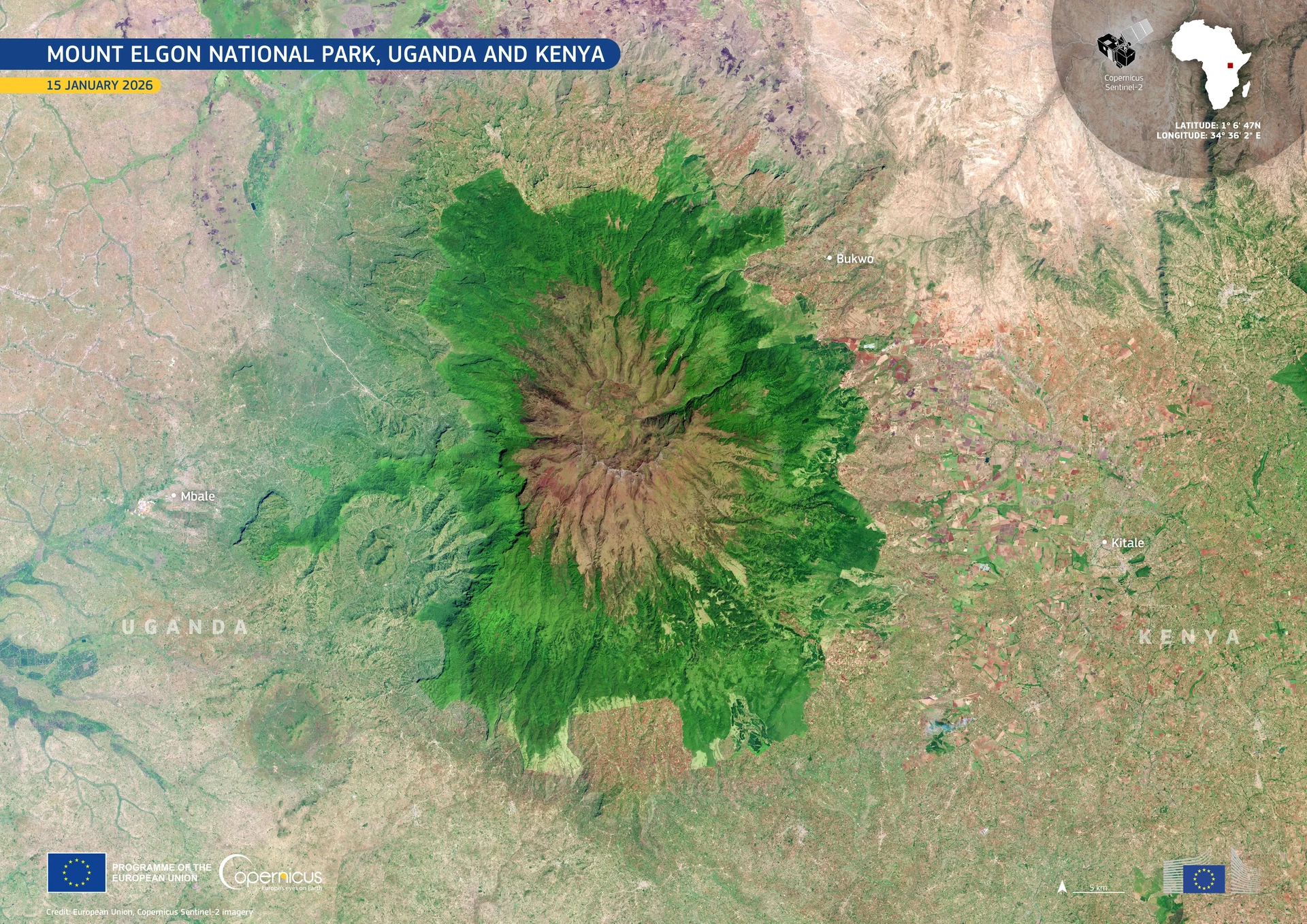
For travelers heading to Mount Elgon National Park or the lakes of the Rift Valley, Kitale makes a logical stop. The town itself is unassuming, with quiet streets, simple cafes, and a market where vendors sell fresh fruit and vegetables. The museum isn’t the kind of place that draws crowds, but that’s part of its charm. It offers a chance to see Kenya beyond the postcard images—a place where history is still being written, one ordinary day at a time.