Saiwa Swamp feels like a place time forgot. Tucked away in western Kenya, not far from the town of Kitale, this small but remarkable wetland covers just a few square kilometers, yet it holds an outsized sense of quiet grandeur. There are no crowds here, no guided tours with scripted commentary, no souvenir stalls or paved paths. Instead, the swamp exists much as it always has—water, earth, and sky merging into a single, shifting landscape where nature sets the pace. It’s one of the few places left in Kenya where you can experience the country’s wild heart without the usual filters of tourism.
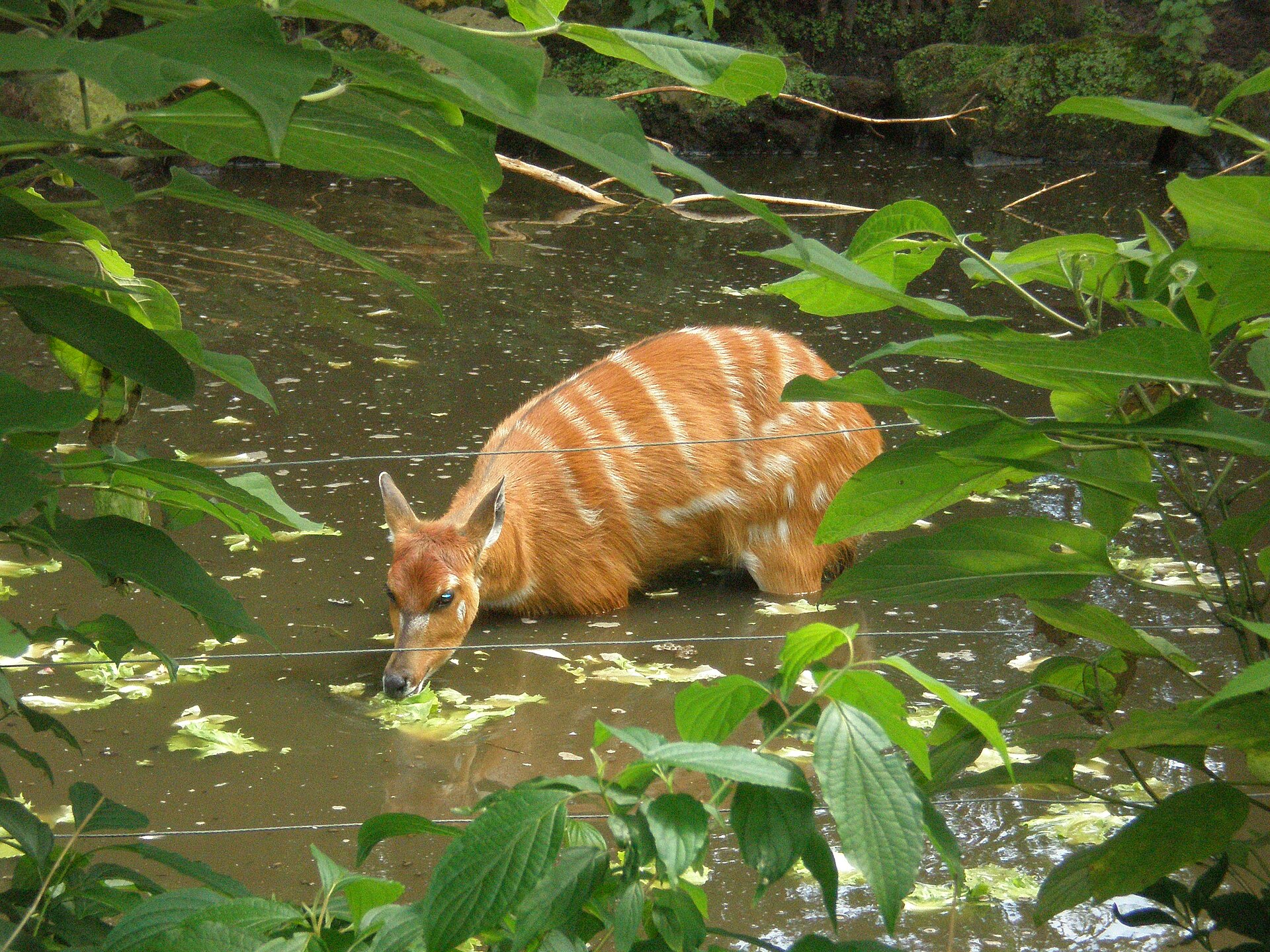
The swamp is best known as the home of the sitatunga, a rare and elusive antelope perfectly adapted to life in the wetlands. Its long, splayed hooves allow it to move gracefully across the soft, waterlogged ground, while its waterproof coat keeps it dry even when submerged. Sitatunga are shy creatures, spending much of their time hidden in the reeds, so spotting one is never guaranteed. But even if the antelope remain out of sight, the swamp itself is reward enough. The air hums with the calls of birds—herons, ibises, kingfishers—while dragonflies dart over the dark water, and the wind rustles through the tall papyrus. The stillness here isn’t empty; it’s alive in a way that’s increasingly rare.
This wasn’t always a place of solitude. In the past, local communities relied on the swamp for survival. It provided water, fish, and medicinal plants, and its edges were a hunting ground for generations. But as conservation efforts took hold in Kenya, Saiwa became a protected area, its fragile ecosystem shielded from human interference. Today, visitors are few—mostly researchers, photographers, or travelers seeking something beyond the usual safari experience. There are no lodges or restaurants, no signs or fences. Just the land, the water, and the occasional footprint in the mud.
The swamp changes with the seasons. During the rainy months, it swells into a vast, reflective expanse, the water so still it mirrors the sky. When the dry season arrives, the water recedes, revealing muddy banks and dense thickets of papyrus. The birds remain year-round, their nests woven into the reeds, while monitor lizards and snakes slip through the undergrowth. The water itself is dark, almost black, stained by decaying vegetation. It gives the place a slightly mysterious air, as if the swamp is holding onto secrets just beneath the surface.
Getting here is part of the experience. From Kitale, the journey takes about half an hour by car or motorbike along a rough, unpaved road that winds through farmland and scattered villages. Locals might wave as you pass, and if you ask for directions, they’ll point the way with a smile. But it’s easy to lose the path among the fields and hedgerows, so hiring a guide is a good idea. There’s no entrance fee, no ticket booth—just a quiet understanding that this place is worth protecting. All you need is sturdy shoes, water, and a willingness to slow down.
There are no grand monuments or historic ruins at Saiwa Swamp, no architectural marvels or man-made wonders. What you’ll find instead is something far older: a landscape that has remained largely unchanged for centuries. The absence of crowds and noise isn’t a drawback—it’s the whole point. The swamp doesn’t perform for visitors; it simply exists, indifferent to human schedules. For some, that might feel underwhelming. But for those who’ve grown tired of the relentless pace of modern travel, Saiwa offers something rare: the chance to step into a world that moves to its own rhythm.
This isn’t just another stop on a Kenyan itinerary. It’s a glimpse of what the continent must have looked like long before roads and cities, when humans were just one small part of a much larger story. The swamp doesn’t demand attention; it invites patience. Stand still long enough, and you might hear the distant splash of a sitatunga moving through the reeds, or the sudden cry of a fish eagle overhead. The light shifts as the sun dips lower, turning the water golden, then amber, then deep blue. There’s no grand finale, no dramatic reveal—just the quiet satisfaction of having witnessed something real.
Those who visit Saiwa often find themselves returning. Maybe it’s the way the air smells after rain, or the way the mist rises from the water at dawn. Or maybe it’s the simple fact that places like this are disappearing, and seeing one still intact feels like a privilege. The swamp doesn’t offer easy answers or Instagram-worthy moments. It offers something better: the chance to remember what it means to be still, to listen, and to let the world unfold at its own pace.