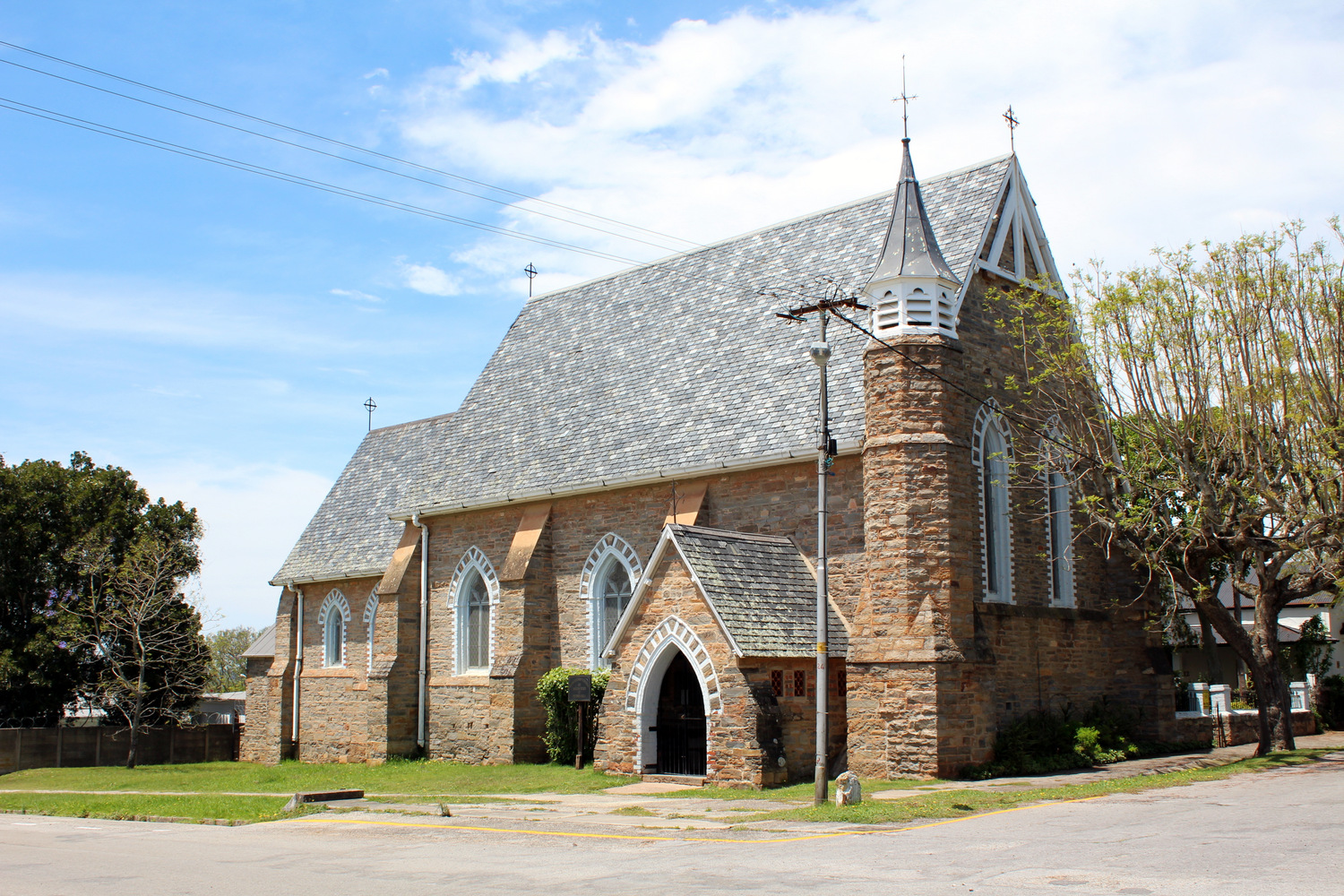
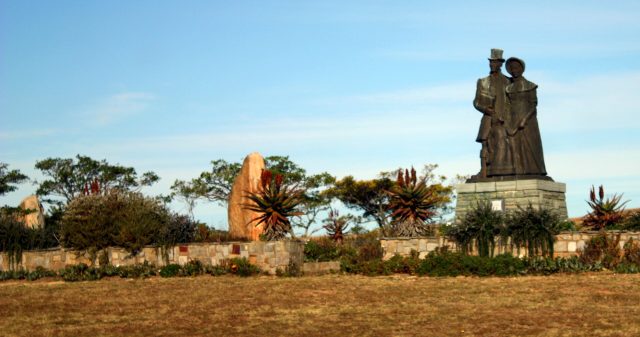
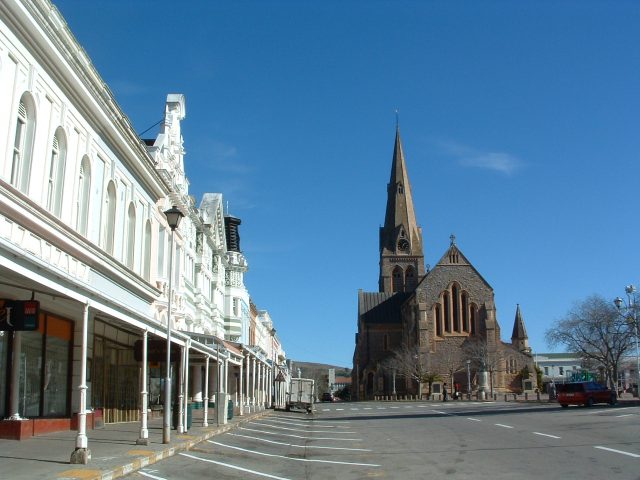
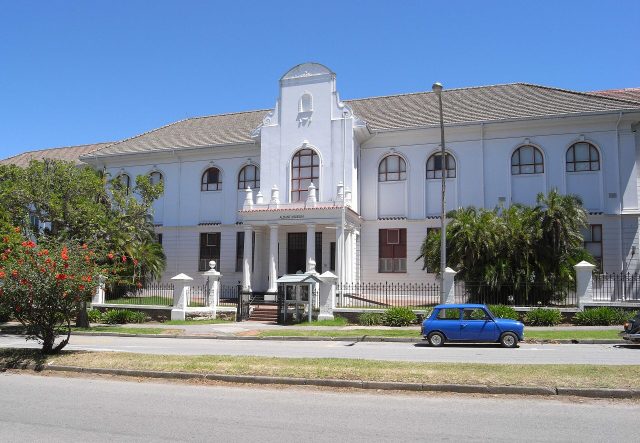
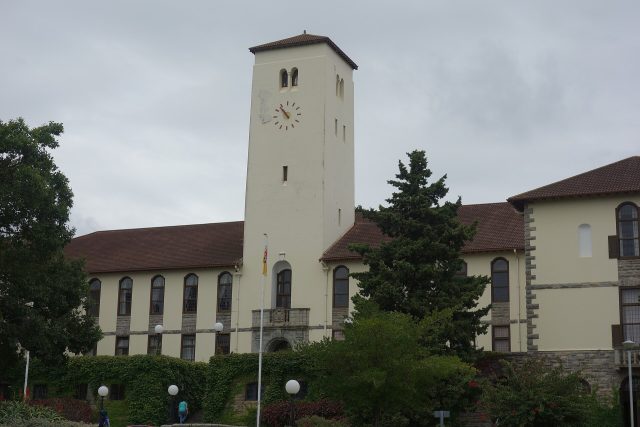
Grahamstown moves to the quiet rhythm of a colonial past and the rugged spirit of South Africa’s frontier days. The streets here are narrow, lined with buildings that tell of a time when this corner of the Eastern Cape was a crossroads for settlers, traders, and local communities. At the heart of the town, where a handful of roads converge, lies Grahamstown Market—a place where every stall and corner carries a story.
This market is a living piece of the town’s history. Trade, culture, and daily life have intertwined here for over two hundred years. The first records of market activity date back to the early 1800s, when Grahamstown was taking shape as a key trading post in the Cape Colony. Farmers, hunters, and craftsmen gathered to exchange goods, and the market became the meeting point for people arriving from all directions. That role hasn’t changed.
Walk through the market, and you’ll see fresh produce from nearby farms—bright oranges, leafy greens, and plump tomatoes. Handmade goods stand out: woven baskets, clay pots, wooden carvings, and beadwork, each piece reflecting the traditions of the Xhosa, Zulu, and other communities of the Eastern Cape. Some vendors sell old coins, yellowed books, or household items from the days of the first settlers, turning the market into an open-air museum where history is still being used.
The architecture of the market reflects the town’s layered past. Corrugated iron roofs shelter the main trading areas, offering shade from the sun and shelter from the rain. Wooden beams, brick walls, and tiled roofs date back to the 1800s. Modern stalls selling fresh bread and handmade jewelry stand beside these old structures. The mix feels both timeless and alive.
More than just a place to shop, the market is where Grahamstown gathers. In the mornings, the air smells of freshly baked bread, strong coffee, and spices. Farmers from the surrounding countryside set up their stalls alongside students from Rhodes University. Tourists and locals weave through the crowds. Conversations flow in English, Afrikaans, and Xhosa. On weekends, the market takes on a festive air—street musicians play jazz or traditional tunes, and food stalls offer samoosas and roosterkoek, the grilled bread locals love.
The market also plays a key role during Grahamstown’s festivals. The town hosts several major events each year, including the National Arts Festival. When the festival is on, the market transforms. Stages are set up for performances, artists display their work, and the streets fill with visitors from across the country. For a few days, the market becomes the heart of a celebration.
Yet the market has quiet corners. A small courtyard with a fountain, tucked away behind the main stalls, offers a moment of calm. Here, locals sit on benches, watching children play or listening to the water trickle. Nearby, old shops sell antiques and rare books, their shelves filled with forgotten treasures.
Grahamstown Market is part of the town’s everyday life. It changes with the seasons and the people who pass through it, yet it always stays the same in the ways that matter. For visitors, it’s a window into the culture and history of the Eastern Cape. For locals, it’s a familiar place to pick up fresh produce, catch up with neighbors, or simply enjoy the rhythm of the town.
If you find yourself in Grahamstown, take your time at the market. Go early, when the first stalls are opening and the light is still soft. Or come back in the late afternoon, when the heat of the day has eased. Grab a cup of coffee from a street vendor, try something local, or just wander through the rows of stalls. The market isn’t just a place to shop—it’s a place to experience the life of the town.