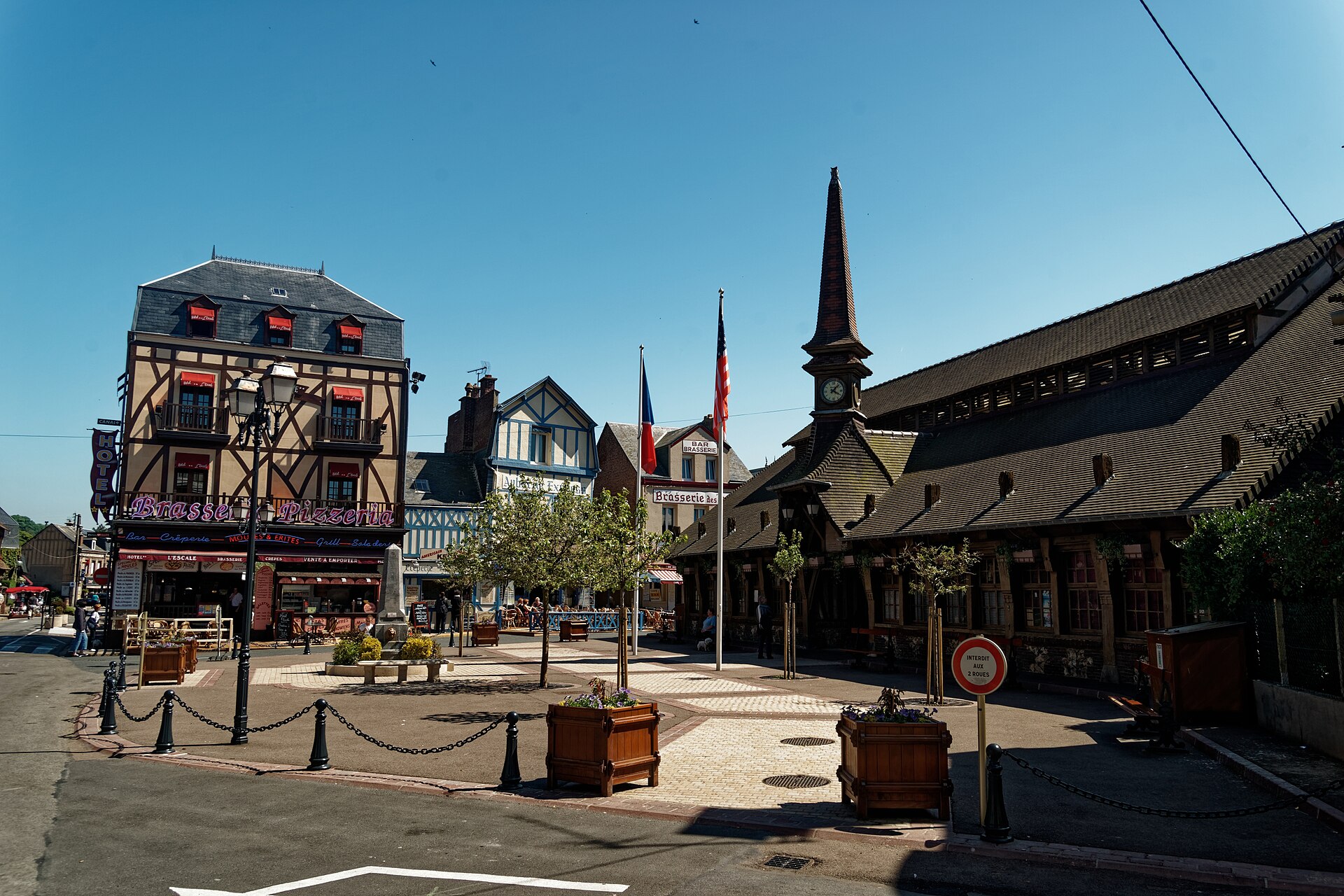
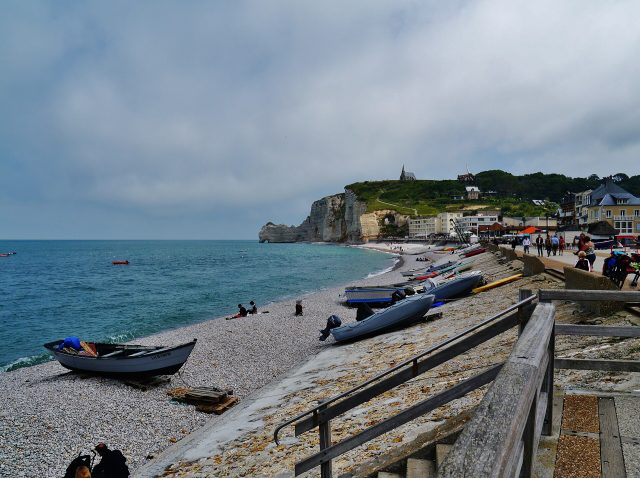
Étretat is a quiet coastal town in Normandy, where the pace of life moves to the rhythm of the tides rather than the demands of tourism. The chalk cliffs that rise dramatically from the sea draw visitors, but the town itself feels untouched by the crowds that flock to nearby resorts. Here, mornings begin with the sound of seagulls and the scent of salt in the air, and the local market is where the heart of the community beats strongest.
Twice a week, on Wednesdays and Sundays, the square in front of the town hall transforms into a lively hub of activity. By eight in the morning, stalls are already set up under the shelter of awnings, their tables laden with the bounty of the region. The air is thick with the smell of freshly baked bread, smoked fish, ripe fruit, and pungent cheeses. Normandy is apple country, and the market reflects that—crisp, sun-warmed apples share space with bottles of cider, calvados, and jars of homemade jam. Some vendors even sell apple tarts, their buttery crusts flaking under the weight of caramelized fruit.
The fishermen arrive early, their catches still glistening from the sea. Depending on the season, you might find oysters, mussels, sole, or even lobsters, their shells still damp. They don’t just sell their fish—they talk about it. A quick conversation might reveal the best way to prepare a particular catch, or a story about the morning’s haul. For locals, the market is as much about connection as it is about commerce. Neighbors catch up on news, farmers discuss the weather, and children dart between stalls, eyes wide at the sight of candied almonds or honeycomb.
Beyond food, the market is a showcase for Normandy’s craft traditions. You’ll find delicate lacework, hand-thrown pottery, and wooden toys carved with care. Some artisans specialize in cider-related goods—small oak barrels, tasting glasses, or even furniture made from apple wood. They’re often happy to explain their craft, whether it’s the slow spin of a potter’s wheel or the intricate patterns of lace. A few might even let you try your hand at it, though patience is required.
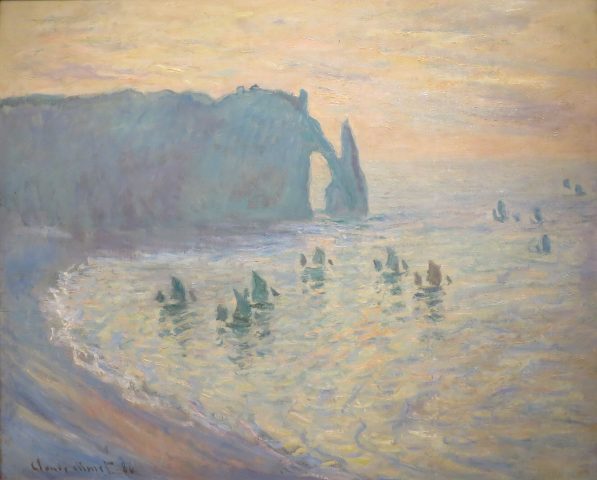
The market has been part of Étretat’s story for centuries. In the 19th century, when the town became a retreat for Parisian artists and writers, figures like Monet, Boudin, and Maupassant wandered these same streets. They, too, would have browsed the stalls, drawn not just by the goods but by the atmosphere—a place where the lives of locals and visitors briefly intertwined. Today, the market retains that same spirit. It hasn’t been polished into a tourist attraction; there are no trinket shops or pushy vendors. Instead, it feels like a natural extension of the town itself.
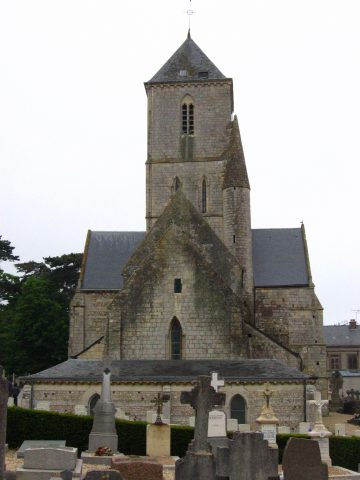
Sundays have a particularly warm energy. Many families come after church, their baskets filling with provisions for the week’s meals. The square hums with conversation, the clink of bottles, and the occasional peal of bells from the nearby church. Children tug at their parents’ sleeves, begging for a treat, while older couples linger over a sample of cheese or a sip of cider. Tourists wander through, but they’re not the focus—this is still a place for locals first.
If you visit on a market day, take your time. Wander the aisles, taste a wedge of creamy Camembert or a briny oyster straight from the shell. Strike up a conversation with a vendor—many speak English, and some even Russian. Pick up a bottle of cider or calvados to take home, or a fresh baguette slathered with Normandy butter. The market isn’t just about buying things; it’s about stepping into the rhythm of a small French town, where every product has a story and every purchase feels like a small connection to the place and its people.