Early Beach Markets: Where the Town Comes Together
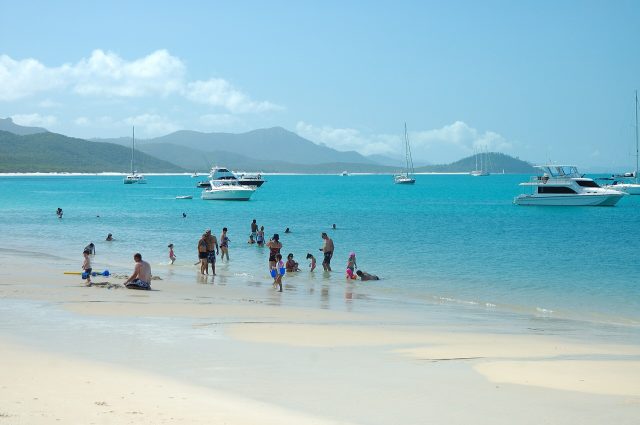
Early Beach moves to the rhythm of the ocean. Wooden houses, bleached by the sun, stand between swaying palms. Waves roll onto the shore, steady and unhurried. The markets here capture that pace—no rush, no crowds, just the town’s quiet heartbeat.
The Sunday Ritual
Every Sunday, the waterfront fills with stalls under canvas awnings. The air carries the scent of fresh pastries, tropical fruit, and salt from the sea. Tables display handmade jewelry, soaps wrapped in recycled paper, and paintings of the reef at sunrise. People wander, talk, and let the morning unfold.
Children dart between the stalls. A vendor adjusts a necklace, explaining how she sources the stones. A couple pauses to taste a sample of local honey. No one hurries.
From Fishing Village to Coastal Stop
Early Beach was once just a fishing village. Boats bobbed in the harbor, and the only visitors were backpackers looking for a quiet campsite. Then word spread about the white-sand beaches and the Great Barrier Reef. Travelers started arriving, and locals saw they wanted more than a tan—they wanted something to take home.
The markets grew from that. They became a way to share the town’s life with visitors, without losing what made it special.
A Market That Feels Temporary
Wooden trestle tables, flapping canopies, baskets woven from local fibers—it all looks like it could be packed up by sunset. But the markets have been here for years. New vendors arrive, others leave, and the goods change with the seasons. Yet the feel stays the same: unpolished, real.
You won’t find glossy displays or high-pressure sales. Just people selling what they make.
The People Behind the Stalls
Many vendors are artisans. A potter shapes clay into mugs. A woodworker carves driftwood into sculptures. A soapmaker stirs vats of fragrant oils. They’ll tell you how they do it, where they source their materials, or why they started.
Sometimes, a conversation starts over a shared table. A tourist asks where to find the best fish and chips. A local points them toward a spot by the pier. The market becomes less about buying and more about connecting.
Food That Tastes Like the Region
Stalls overflow with produce from nearby farms. Mangoes drip juice. Passionfruit skins wrinkle with ripeness. Pineapples taste like they were picked that morning. There’s honey from wildflowers, macadamia nuts roasted at dawn, and jams made from native fruits like Davidson plum.
For those who want to try something new, there’s kangaroo pie or grilled barramundi. For others, chocolate-dipped bananas or coconut-dusted lamingtons. It’s a first taste of Australian flavors for many visitors—and often, a memorable one.
More Than Shopping
A fisherman unloads his morning catch. Kids play tag between the stalls. An elderly couple sits by the water, watching the waves. The market isn’t a spectacle. It’s just a slice of the town’s Sunday.
You might spend an hour there. Or three. Time moves differently at the markets.
Why It Matters
Most vendors are small-scale producers, families, or individuals. When you buy a handmade necklace or a jar of honey, you’re not just taking home a souvenir. You’re helping keep the town’s identity alive.
In a world where so many places feel the same, Early Beach hasn’t lost its character. The markets are part of that.
Visit—Even If You Don’t Buy
If you’re in Early Beach on a Sunday, go. There’s no grand architecture, no high-end boutiques. Just a place that feels real.
You might leave with a bag. Or you might leave with something else—a sense of the town’s warmth, its stories, the way life moves a little slower here. That’s the kind of souvenir that lasts.