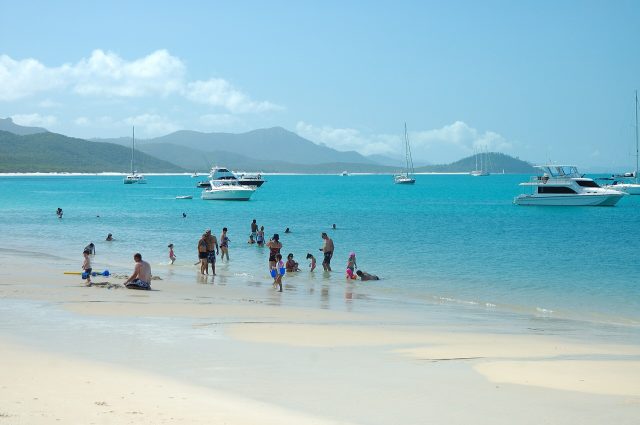
Early Beach is one of those rare places where the ocean, sand, and sky seem to align just right, offering a quiet kind of perfection. Tucked along the eastern coast of Australia within the Whitsunday region, it stretches across a sheltered bay where the water stays calm and the sand feels almost weightless underfoot. Unlike the wild, crashing waves of the open Pacific, the sea here is gentle, its surface often still enough to reflect the sky. The water is clear, with a faint turquoise tint that deepens as the sun moves overhead, while the sand—fine and pale—stays cool even in the heat of the day. It’s the kind of beach where children can wade without fear, where swimmers of all levels can float without effort, and where anyone can simply stand at the water’s edge and let the rhythm of the waves slow their thoughts.
The history of Early Beach is woven into the broader story of this part of Queensland, though its past is quieter than that of nearby towns. Long before European settlers arrived, the Ngaro people lived along this coastline, moving between the islands and the mainland with the seasons, fishing in the shallows and gathering shellfish from the rocks. When colonists began to establish themselves in the 19th century, the area served as a minor port, a place where small ships loaded timber and supplies. But it wasn’t until the mid-20th century that Early Beach began to take shape as a destination in its own right. What was once a scattering of fishing shacks and weekend cottages slowly grew into a small coastal town, one that still feels more like a community than a tourist hub.
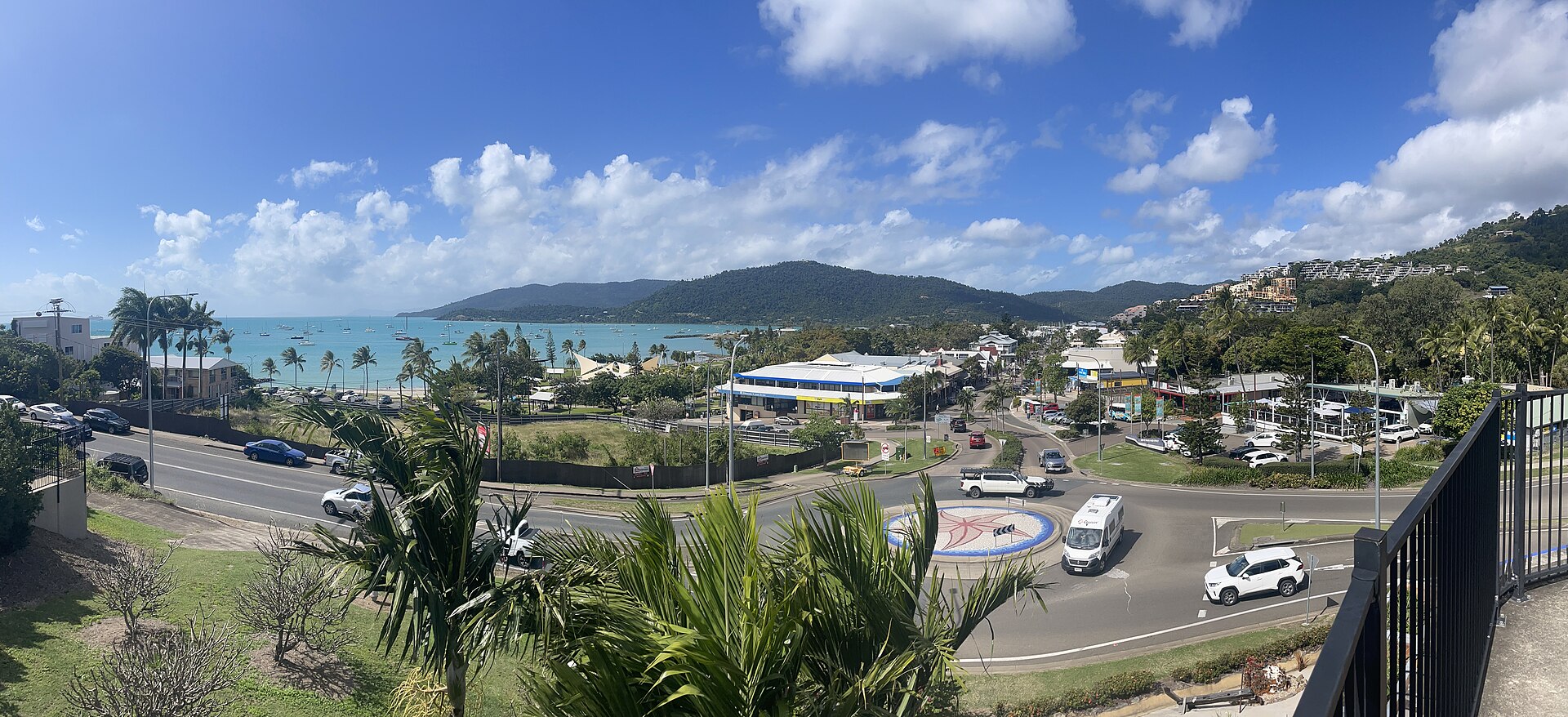
The architecture here is unassuming, even modest, but it suits the place perfectly. Low-slung houses in soft blues and creams line the streets, their wide verandas shaded by palms. Cafés spill onto sidewalks, their tables set with mismatched chairs, while small shops sell everything from beach towels to local honey. The main street runs straight to the water, where a wooden pier juts into the bay, its planks worn smooth by decades of footsteps. In the mornings, the air smells of salt and coffee; by afternoon, the scent of grilled fish drifts from open-air kitchens. There’s no grand promenade or towering hotels—just a handful of buildings that seem to lean into the breeze, as if they’ve grown naturally from the landscape.
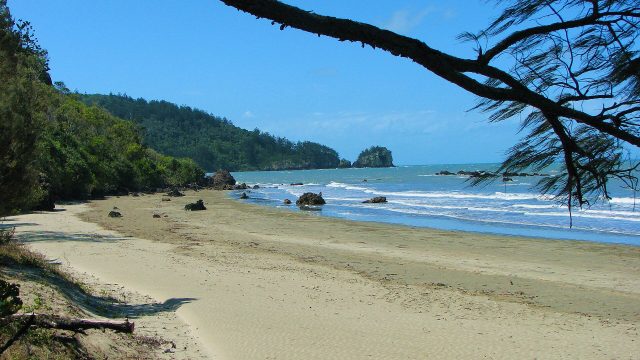
What sets Early Beach apart from other Australian beaches is its balance between accessibility and space. It’s not one of those remote, untouched stretches where you might go hours without seeing another person, nor is it a crowded resort where every inch of sand is claimed by sunbathers. Instead, it offers just enough amenities to make a day by the water comfortable—shower blocks, a few shaded picnic tables, and lifeguards patrolling during peak season—without feeling overrun. Even on busy summer weekends, there’s room to spread out a towel or find a quiet spot near the dunes. People come here for more than just swimming; they come to watch the light change over the water, to walk the length of the pier at dusk, or to sit on the sand as the tide rolls in, bringing with it the occasional piece of driftwood or a scattering of shells.
One of the biggest draws of Early Beach is its proximity to the Great Barrier Reef. Many of the day trips that take visitors out to the reef’s outer edges depart from here, and within an hour or two, you can find yourself floating above coral gardens teeming with fish. But you don’t need to venture far to experience the ocean’s beauty. The waters just off the beach are calm enough for snorkeling, where you might spot a turtle gliding beneath the surface or a school of silver fish darting between the rocks. Kayaks and paddleboards are available for rent, and on windier days, the bay becomes a playground for those learning to sail. For those who prefer to stay on land, the beach itself is enough—long enough for a proper walk, soft enough for an afternoon nap, and always changing with the tides.
The town that surrounds the beach is small but lively in its own way. There’s no boardwalk or amusement park, just a handful of places where locals and visitors mix easily. A seafood shack near the pier serves fish and chips wrapped in paper, best eaten on the wooden benches overlooking the water. A bookstore with creaky floorboards sells secondhand novels alongside maps of the reef. In the evenings, when the heat lifts, the sound of a guitar or a harmonica sometimes drifts from one of the cafés, and people linger over drinks as the sky turns from blue to gold. It’s the kind of place where you might strike up a conversation with a stranger over a shared table, or where a shopkeeper will remember your name after just a few visits.
Winter here is a different kind of quiet. While southern Australia shivers, Early Beach stays warm, though the water loses some of its summer heat. The crowds thin out, and the town takes on a slower pace. Locals reclaim the beach in the early mornings, walking their dogs along the shore or sitting on the pier with a thermos of tea. The cafés stay open, but the tables are fewer, and the conversations feel more intimate. It’s a time when the beach belongs to those who know it best—when the sand is cool underfoot, the air is crisp, and the only sound is the steady breath of the ocean.
What makes Early Beach special isn’t any single feature, but rather the way it all comes together. There are no grand landmarks or must-see attractions, no dramatic cliffs or hidden caves. Instead, there’s the steady presence of the sea, the way the light shifts over the water, and the feeling that time moves differently here. You could spend a day doing nothing but wading in the shallows, or you could fill it with snorkeling and sailing and long walks along the shore. Either way, the place doesn’t demand much—just that you slow down enough to notice the small things. The way the sand sticks to your skin after a swim. The way the horizon blurs at dusk. The way the water, no matter how many times you’ve seen it, still manages to surprise you with its clarity. It’s the kind of beach that doesn’t need to be anything more than what it is.