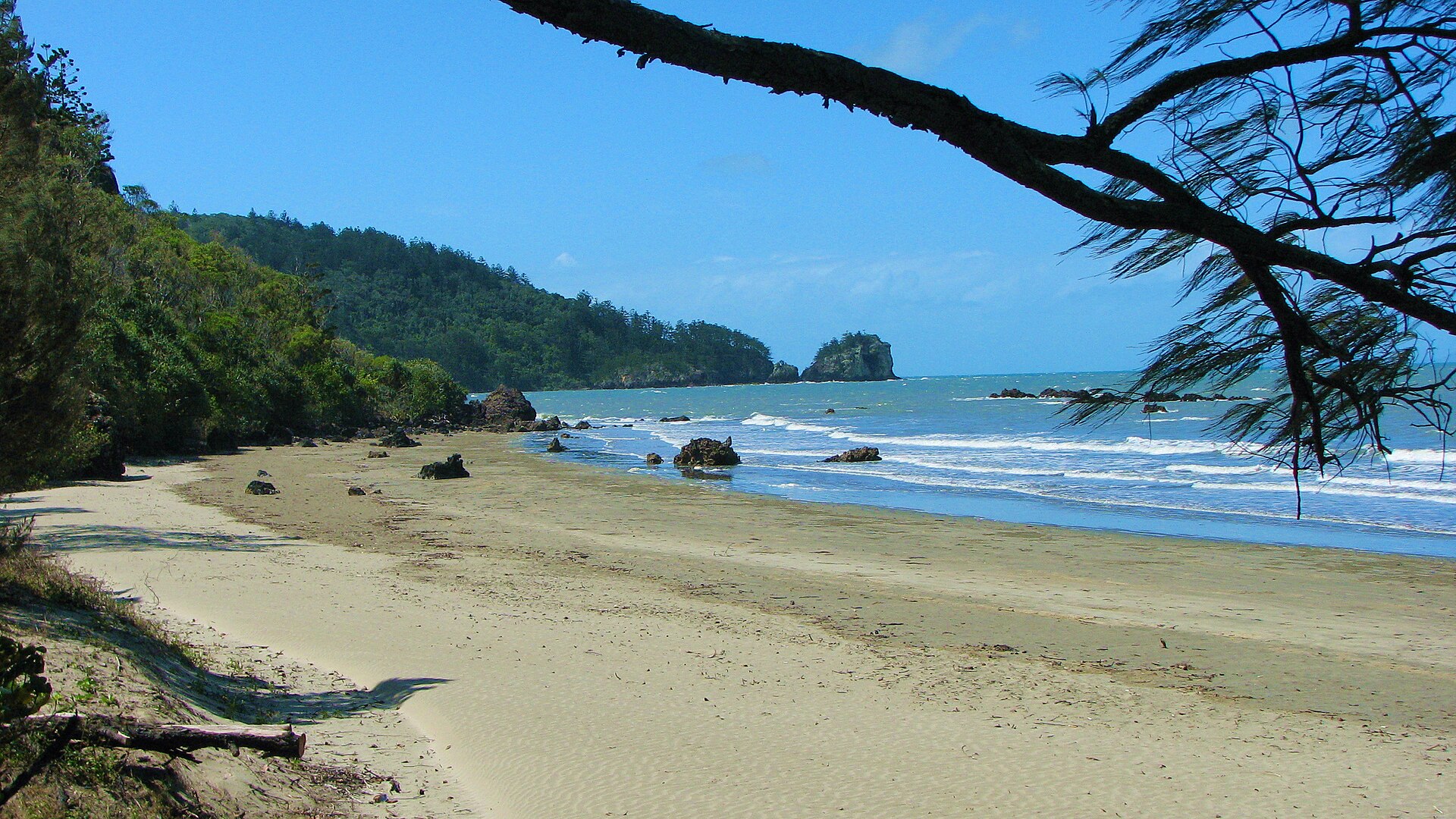
Cape Hillsborough National Park is one of those rare places where the wild edges of Australia feel both untamed and strangely intimate. Tucked along the Queensland coast, it’s where dense rainforest spills down to meet the Pacific, creating a landscape that doesn’t fit the usual outback stereotypes. There are no vast deserts or jagged cliffs here—just a narrow strip of land where the air is thick with salt and humidity, and the rhythm of the place moves at its own unhurried pace.
The park’s most famous moment happens at dawn, when kangaroos emerge from the bush and make their way down to the beach. They’re not here for the sand or the sunrise, but for the seaweed washed ashore by the tide, a morning snack that draws them close to the water’s edge. It’s an oddly quiet spectacle, one that feels almost surreal if you’re used to seeing these animals in more remote settings. The kangaroos keep their distance, wary but not skittish, allowing just enough space for observers to watch without disturbing them. There’s something disarming about sharing the shoreline with them, a reminder that this stretch of coast still belongs more to the land than to the people who visit.
Beyond the beach, the park unfolds in layers of green and blue. Walking trails wind through the rainforest, where the canopy filters sunlight into shifting patterns on the ground. The most rewarding hike leads up to a lookout perched on a hillside, a steady climb that takes about an hour but rewards with a view that makes the effort feel small. From the top, the ocean stretches out endlessly, its surface broken only by the occasional curve of an island in the distance. Below, the forest hums with life—birds calling, leaves rustling, the distant crash of waves. The air carries the sharp scent of eucalyptus mixed with salt, and if you stand still long enough, it’s easy to forget the rest of the world exists.
This land has been shaped by more than just wind and water. For thousands of years, the Yuwi people called this coast home, relying on its resources and holding its landscapes sacred. Their presence lingers in the park, from ancient shell middens to rock art hidden in the bush. Some sites are protected, their locations kept quiet to preserve them, but the sense of history is impossible to miss. The park’s approach to conservation reflects this legacy, balancing protection with respect for the traditions that have long defined this place. It’s not just about preserving nature here—it’s about acknowledging the people who knew it first.
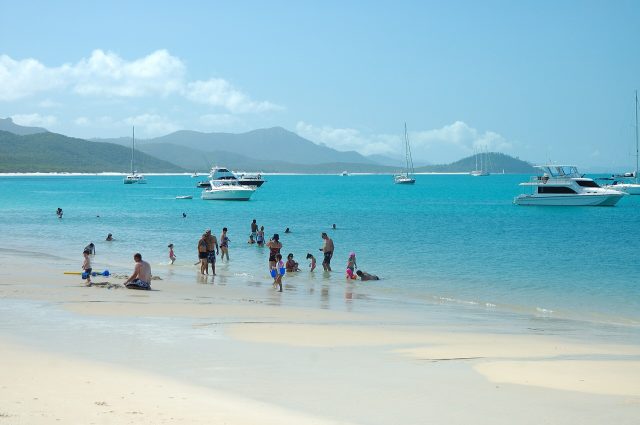
The beaches at Cape Hillsborough are quieter than the crowded shores further south, a fact that appeals to those who prefer their coastline without the noise of resorts and beachfront bars. The sand is soft and pale, the water clear but unpredictable, with currents that can shift without warning. Swimming here requires caution, but the snorkeling is worth the effort. Coral formations, though not as expansive as those on the Great Barrier Reef, teem with small fish, and if you’re lucky, you might spot a turtle or even a dolphin cruising close to shore. The best time to see them is early, when the light is still soft and the water calm.
The climate here is distinctly tropical, with wet summers and drier winters. The most comfortable time to visit is between May and October, when the heat is less intense and the rain eases off. During the wet season, from December to March, the humidity can feel oppressive, and the trails turn slick underfoot, but the landscape transforms into something lush and almost overgrown. There are no luxury hotels in the park, just a handful of campsites and basic cabins for those willing to trade modern comforts for a night under the stars. It’s the kind of place where you wake up to the sound of waves and the calls of birds, not the hum of air conditioning.
What makes Cape Hillsborough special isn’t grand scenery or dramatic landmarks. It’s the way the place feels alive in a quiet, unassuming way—the rustle of leaves in the wind, the way the light slants through the trees at dusk, the slow creep of kangaroos across the sand at dawn. It’s a reminder that Australia’s wild places aren’t just about vast emptiness or rugged extremes. Sometimes, they’re about the small, unscripted moments that make you pause and pay attention. Here, the ocean and the forest do most of the talking, and if you listen, they’ll tell you stories that don’t need words.