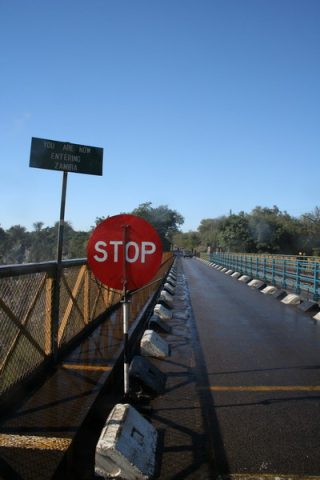
Chirundu is a quiet border town where Zambia and Zimbabwe meet, split by the wide, slow-moving Zambezi. There are no crowds here, no tour buses, just the unhurried pace of life in a place where the river has always been the real dividing line. The air carries the scent of woodsmoke and damp earth, and the people you meet seem to have all the time in the world.
The market in Chirundu is where this feeling is strongest. It’s not a polished tourist attraction with neatly labeled stalls and prepackaged souvenirs. Instead, it’s a sprawl of makeshift tables and tarpaulin shelters where the day’s trade unfolds under the open sky. The smells hit you first—dried fish, ripe mangoes, wood shavings from the carvers’ stalls, the sharp tang of chili peppers. Voices rise and fall in Tonga, Shona, Ndebele, and the occasional English or Portuguese, a reminder of how many lives intersect here.
Mornings are the busiest time. Farmers arrive with baskets of cassava, sweet potatoes, and wild figs, their produce spread out on woven mats. Fishermen lay out their catch—tilapia, catfish, bream—fresh from the Zambezi, still glistening. Women in bright chitenge wraps haggle over prices or trade stories while sorting beans or drying fish in the sun. Men sell smoked game meat, hand-forged tools, or bundles of firewood. There’s no rush; the market moves to its own rhythm, dictated by the sun and the seasons.
The craft stalls are where you’ll find the most intricate work. Wooden masks carved in traditional styles, baskets woven from palm fiber, beaded necklaces made from seeds and stones—each piece is unique, shaped by hands that have done this work for generations. Some artisans still work right at their stalls, their tools laid out beside half-finished pieces. They don’t push you to buy, but if you ask, they’ll tell you the story behind a mask or explain the symbolism in a pattern. Bargaining is expected, not just as a way to agree on a price, but as part of the conversation. A good-natured back-and-forth can turn into an exchange of jokes, a shared cup of tea, or even an invitation to visit someone’s village.
Beyond the commerce, the market is where the town gathers. Under the shade of acacia trees or the corrugated iron roofs of food stalls, old men play mancala with bottle caps and pebbles, children kick around homemade soccer balls, and women sit in circles, shelling groundnuts or braiding each other’s hair. It’s a place where news travels fast—who’s getting married, which borehole needs repairs, what the latest rumors are from across the border. For outsiders, it’s a rare chance to sit on a wooden bench and simply watch life unfold, unfiltered.
Food is a big part of the experience. The stalls serve up dishes that have fed this region for centuries: nshima, the thick maize porridge eaten with every meal, scooped up with fingers and dipped into stews of okra, pumpkin leaves, or dried fish. Grilled tilapia, seasoned with local chili and wrapped in banana leaves, is a favorite, as are the deep-fried dough balls called vitumbuwa. Everything is cooked over charcoal or open flames, the smoke curling into the air. If you’re lucky, someone might offer you a taste of marula fruit, sweet and tart, or a cup of strong, milky tea brewed in a dented kettle.
The market’s history is tied to Chirundu’s role as a crossroads. Long before the border was drawn, this was a place where traders passed through, moving goods between the interior and the coast. In colonial times, it was a stop for cattle drovers and merchants carrying everything from salt to cloth. Today, it’s still a meeting point, a place where the rhythms of Zambia and Zimbabwe blend. You’ll hear the languages of both countries, along with the occasional Portuguese from Mozambican traders or Afrikaans from South African truckers. The market doesn’t just sell things; it preserves the connections that have always existed here.
There’s nothing permanent about the market’s setup. Stalls are made of whatever materials are at hand—scrap wood, tarpaulin, sheets of tin—and can be dismantled in minutes if the Zambezi floods, as it often does in the rainy season. When the water recedes, the market reappears, just as it always has. In the dry months, dust swirls around your feet, mixing with the smoke from cooking fires. The ground is uneven, the paths winding between stalls. It’s not a place designed for comfort, but that’s part of its charm. The market exists because the people here need it, not because someone decided it would be a good tourist attraction.
The best time to visit is early in the morning, when the air is still cool and the stalls are fully stocked. By midday, many vendors start packing up, especially in the heat of the dry season. Weekends are livelier, with families coming not just to shop but to socialize, their laughter blending with the calls of vendors and the clatter of pots. For travelers, it’s a chance to see Zambia as it really is—not the version in guidebooks, but the one that exists in the quiet moments between the big sights. There are no grand monuments here, no famous landmarks, just the quiet dignity of a place that has always been a part of the landscape.
You won’t find Chirundu’s market on most itineraries, and that’s exactly why it’s worth visiting. It’s not a place you come to for a quick photo or a souvenir to take home. It’s a place where you can sit on a wooden crate, sip sweet tea, and watch the day go by. The people you meet might remember your face, or they might not—but for a little while, you’ll be part of their world. And that, more than anything, is what makes a journey feel real.