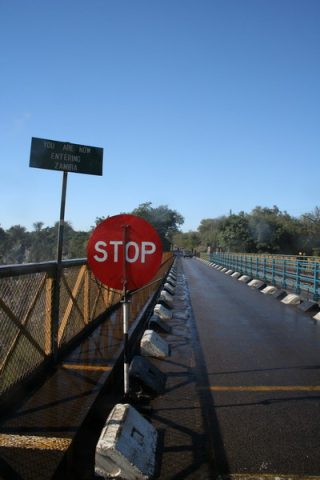
The Zambezi River near Chirundu is where the land seems to pause, letting the water take center stage in all its quiet, unshakable power. Here, along the border between Zambia and Zimbabwe, the river widens into a slow, steady flow, framed by dense forests and rocky banks. It’s not the roaring force you find upstream at Victoria Falls, but something just as compelling—a different side of the Zambezi, one that moves with deliberate grace rather than urgency. The current carries the weight of centuries, and the landscape feels untouched, as if time itself has settled into the rhythm of the water.
Chirundu is little more than a border town, a place where the road between Zambia and Zimbabwe crosses the river, and life moves at the pace of the current. There are no crowds here, no tour buses or souvenir stalls. The river isn’t a spectacle; it’s simply part of the everyday. Locals fish from the banks or in small wooden boats, their silhouettes barely disturbing the surface. In the early mornings, a thin mist rises from the water, dissolving as the sun climbs higher. During the rainy season, the Zambezi swells, flooding the reeds along the shore, while in the dry months, it recedes, leaving behind sandbars where birds gather and crocodiles bask in the heat.
This stretch of the river is more than just a body of water—it’s a living system, sustaining creatures large and small. Hippos surface with a snort, their massive forms briefly breaking the water before sinking again. Elephants wander down to drink, their movements slow and deliberate, while birds—kingfishers flashing blue, marabou storks standing like sentinels—fill the air with their calls. As dusk falls, bats begin to circle overhead, and the sounds of the night take over: the rustle of unseen animals in the undergrowth, the occasional splash of something moving through the shallows.
The history of the Zambezi here is woven into the land itself. For generations, the river marked the boundary between different peoples, a natural divider that shaped trade, conflict, and daily life. Later, it became a colonial frontier, separating British territories from independent African nations. Chirundu still bears traces of the old ferry crossing, a reminder of how people once moved between the two sides. Today, a bridge spans the water, but many locals still prefer the old way, crossing by boat as their ancestors did.
There’s little in the way of grand architecture along these banks—just a handful of modest buildings and the vast, unchanging presence of the river. What you find instead is something rarer: a sense of timelessness. The Zambezi flows as it always has, and here, humans are just passing through. There are no luxury lodges or guided tours, no scripted experiences. Just the quiet invitation to sit by the water, listen to its murmur, and watch the sky turn gold and violet as the sun dips below the horizon.
For travelers used to busier destinations, Chirundu might feel too still, too unassuming. But that stillness is the point. This is where you can step away from the noise and feel the pulse of the land, the slow, steady heartbeat of Africa. The river moves at its own pace, and so does time here. A walk along the shore isn’t just a stroll—it’s a small journey into the continent’s soul.
When the rains come, the Zambezi transforms. The water rises, swallowing the edges of the forest, and the river seems to stretch endlessly, as if testing its own boundaries. Birds flock to the flooded banks, and fishermen take to their boats, casting nets into the swollen current. In the dry season, the river reveals its secrets: sandbars emerge, covered in the tracks of animals, and the water clears just enough to glimpse schools of fish darting between the rocks.
Chirundu isn’t a place for those seeking excitement or spectacle. It’s for those who want to see Africa without the gloss, to feel its breath and understand why rivers here are revered. The Zambezi doesn’t dazzle with waterfalls or rapids, but it offers something deeper—a connection to a world that exists beyond human control. That, perhaps, is what makes it special. The river doesn’t need to impress. It simply is.