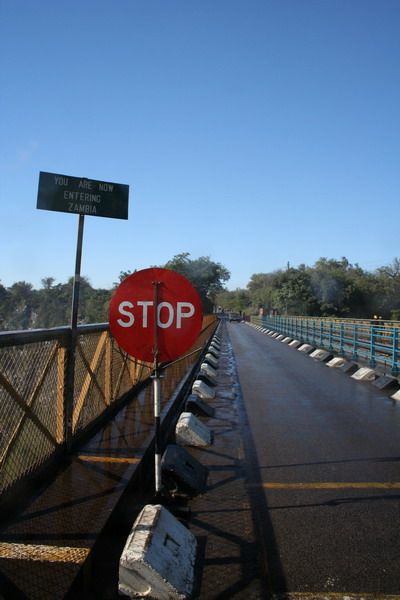
The Chirundu Bridge is one of those places that seems unremarkable at first glance—just another piece of infrastructure spanning a river. But look closer, and it reveals itself as something more: a quiet witness to history, a crossing point between nations, and a thread stitching together the rhythms of two countries. Stretching over the Zambezi River where Zambia meets Zimbabwe, the bridge is more than a route on a map. It’s a threshold between the bustling cities of southern Africa and the slower, more measured pace of life in the continent’s interior.
Built in 1939, when the region was still under British colonial rule, the bridge was a critical link in a transport network connecting the Indian Ocean coast to the hinterlands of Rhodesia and Nyasaland. Designed to last, it has endured for nearly a century, carrying the weight of trucks and cars along the trans-African highway. Its steel framework, painted the familiar green of mid-century engineering, feels slightly out of place next to modern highways, yet it remains as functional as ever. The bridge doesn’t just carry vehicles; it carries the stories of those who pass over it—traders, travelers, and locals going about their daily lives.
The architecture is straightforward, practical, the kind of design that prioritizes purpose over ornament. A single span supported by massive concrete piers on either side of the river, the bridge stretches about 180 meters across the Zambezi. Its height allows boats to pass beneath without trouble, and on clear days, the view from the roadway offers a glimpse of the river’s wide, unhurried flow. Here, the Zambezi hasn’t yet gathered the force that will later carve out Victoria Falls or churn through rapids downstream. Instead, it moves calmly, flanked by reeds and the occasional acacia, a broad ribbon of water cutting through the landscape.
For the people who live near it, the Chirundu Bridge is more than just a road. It’s a place where lives intersect—where vendors sell fresh fruit and handmade crafts, where truck drivers pause to rest before the long haul ahead, and where border officials process the steady stream of travelers moving between Zambia and Zimbabwe. The border itself runs down the middle of the river, making the bridge both a crossing and a checkpoint. The wait to pass can vary, but it’s rarely as chaotic as at busier border posts. For those driving between Lusaka and Harare, the bridge offers a moment to step out of the car, stretch, and take in the view of the water below.
The Zambezi here is different from the river’s more famous stretches. There are no thunderous waterfalls or white-water rapids, no crowds of tourists snapping photos. Instead, the river flows with a quiet dignity, its surface reflecting the sky and the occasional passing boat. During the rainy season, the water rises, and the bridge seems to float above the swollen current. In the dry months, sandbanks emerge, and birds gather on the exposed islands, adding to the sense of stillness. It’s a place where the river feels almost tame, a rare stretch of calm before the drama of its journey south.
The bridge isn’t a destination in itself, but it leaves an impression on those who pass over it. There are no luxury lodges or bustling markets here, just the steady hum of life unfolding at the edge of two countries. It’s a place where you can sense the pulse of Africa beyond the postcard images—the Africa of long-distance truckers, of roadside vendors, of rivers that have shaped trade and travel for centuries. For travelers making the journey between Zambia and Zimbabwe, the Chirundu Bridge is a brief but meaningful pause, a reminder that even the most ordinary places can hold layers of history and connection.
What makes the bridge special isn’t any grand spectacle, but the way it embodies the everyday. It’s a crossing point, yes, but also a meeting place, a place of trade, of rest, of transition. The border here isn’t just a line on a map; it’s a lived experience, a moment where two nations brush against each other in the most ordinary of ways. The bridge doesn’t demand attention, but for those who notice, it offers a glimpse into the way Africa’s roads and rivers have always been more than just routes—they’re the veins and arteries of a continent in motion.
If you’re driving through, the bridge might feel like just another stop on a long journey. But if you take a moment to look around, you’ll see more than steel and concrete. You’ll see the Zambezi flowing beneath, the vendors setting up their stalls, the trucks idling as drivers wait their turn. It’s a place where the past and present coexist—where colonial-era engineering meets the realities of modern trade, where a river that has shaped empires now carries the quiet commerce of everyday life. The Chirundu Bridge isn’t a place you’ll remember for its beauty, but for the way it quietly ties together the stories of the people who pass over it.