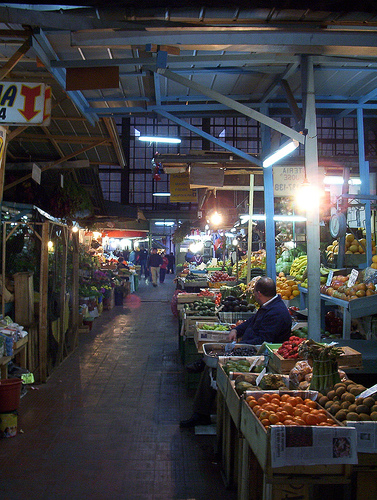
Concepción’s Mercado Central is where the city shows itself—busy, unpolished, and alive. There are no souvenir stalls, no postcards of the Andes, no trinkets for tourists. The air smells of just-caught fish, ripe local fruit, and fresh bread. Conversations mix with the clatter of crates and the hum of refrigeration. This isn’t a place for ticking off attractions; it’s for those who want to see how Chileans in the south live, what they eat, and what shapes their food.
The market began in the early 20th century, when Concepción grew into an industrial hub in the Biobío region. After the 1939 earthquake destroyed the city, the market was rebuilt and became a symbol of resilience. It has been renovated many times but remains at the center of local trade. Walk through its aisles, and you’ll see wooden beams next to metal frameworks, faded murals on the ceiling—traces of its past as more than just a market. It was a gathering place, a cornerstone of community life.
The building is simple and practical. It stretches along a central street, designed for function, not looks. Wide walkways let crowds move easily, even at peak hours. High ceilings keep the space from feeling tight. Inside, the market is split into sections: fishmongers, butchers, fruit and vegetable vendors, and small eateries. The seafood section stands out, with mussels, sea urchins, shrimp, and octopus—all fresh from the Pacific coast.
What makes Mercado Central different from supermarkets? No air conditioning, no fluorescent lighting. The air is thick with the smells of raw fish, spices, and sizzling meat, mixed with the ocean breeze. Vendors don’t just stand behind counters—they haggle, share cooking tips, and tell stories about their catch. For many, the market isn’t just a job; it’s a family tradition.
Concepción has always been tied to the sea, and the market shows that connection. You can buy live mussels, shucked on the spot, or fresh sea urchins, a local delicacy. In summer, stalls overflow with Chilean salmon; in winter, Patagonian toothfish and hake appear. Chefs and home cooks come here for ingredients and ideas. Many Chilean dishes—like *caldo de pescado* or *ceviche*—start with what’s sold here.
Beyond food, the market reflects the region’s culture. Stalls sell *merkén*, a smoky chili and coriander blend essential in southern cooking. You’ll find local cheeses, Andean honey, and homemade preserves—pickled peppers, jams, dried herbs. It’s a place to learn about Chilean food traditions.
The market is busiest in the early morning, when deliveries arrive. Fishermen unload their catches, farmers bring produce, and locals shop before work. By midday, the rush slows. This is the best time to explore, stopping for coffee, a pastry, or something hearty like *empanadas* or seafood pasta. The food is simple but filling.
Mercado Central is also a social hub. Friends meet between errands, neighbors chat, and older men play dominoes. On weekends, families bring children, showing them where food comes from. For many, the market is part of their personal history—a place they visited as kids and now bring their own families.
Tourists do come, but not in crowds. They’re not looking for picture-perfect scenes; they want the real rhythm of provincial life. No tour groups, no souvenir stands—just the everyday flow of a city at work. That’s why it sticks with you. It doesn’t pretend to be anything else: a place to buy fish, drink coffee, and feel Concepción’s pulse.