Charleston Market is one of those rare places where the city reveals itself not through grand monuments or polished facades, but through the quiet rhythm of everyday life. Stretching across four blocks in the heart of the historic district, it follows the line of the old city wall that once protected Charleston from raids and storms. The market isn’t just a place to shop—it’s an open-air archive of the city’s past, where the worn bricks, arched walkways, and even the cracks in the pavement tell stories of the people who have passed through here over the centuries.
The market’s origins date back to 1788, when the city set aside this marshy land for public trade. In its early days, it was little more than a collection of wooden stalls where farmers and fishermen sold their goods. By the early 1800s, it had become the economic heart of Charleston, a place where rice, indigo, and later Carolina Gold rice—prized in Europe—changed hands. The wooden structures were eventually replaced by the brick buildings that still stand today, designed in the 1840s by architect Edward Jones. These long, airy pavilions, with their high ceilings and arched passageways, have survived fires, hurricanes, and countless renovations, though they’ve lost none of their charm.
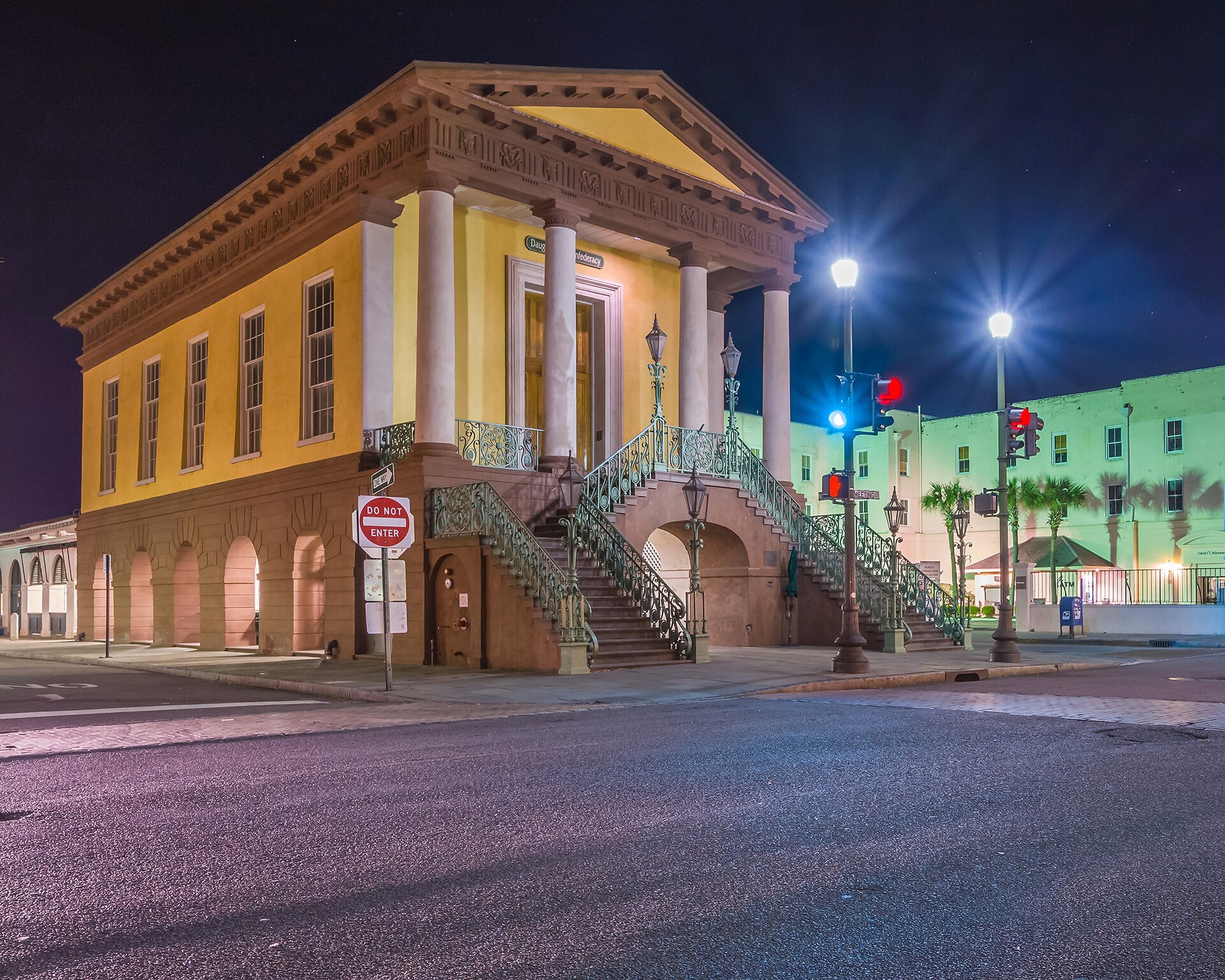
The oldest surviving structure is the Market Hall, built in 1841. Its neoclassical facade, with its columns and pediment, reflects Charleston’s prosperity in the antebellum years. Inside, the space once housed butcher stalls, but today it’s filled with souvenir shops and small cafes. The surrounding sheds are lined with vendors selling everything from handmade jewelry to local honey, but the most distinctive items are the sweetgrass baskets. Woven by descendants of enslaved Africans, this craft has been passed down through generations. Once used for harvesting rice on plantations, the baskets are now a symbol of Lowcountry heritage—lightweight, durable, and intricately patterned.
A visit to the market is as much about soaking in the atmosphere as it is about shopping. In warmer months, the covered walkways buzz with activity, the air thick with the scent of roasted nuts and fresh pastries. Street musicians often set up near the entrances, playing jazz or blues that drift through the crowd. On weekends, the place feels like a neighborhood gathering, with locals catching up over coffee while tourists browse the stalls. In winter, strings of lights transform the market into a cozier version of itself, and the pace slows just enough to notice the details—the way the sunlight filters through the slatted roofs, or the way vendors chat with regulars like old friends.
What makes the market special is how it bridges different eras and cultures. Modern artists display their work alongside traditional craftspeople, and contemporary designers sell upcycled bags next to weavers using techniques that haven’t changed in two hundred years. In one of the pavilions, a small museum offers a glimpse into the market’s history, with old photographs, documents, and everyday objects on display. It’s not the kind of place where you’re shushed for getting too close—here, you’re encouraged to touch, smell, and even taste.
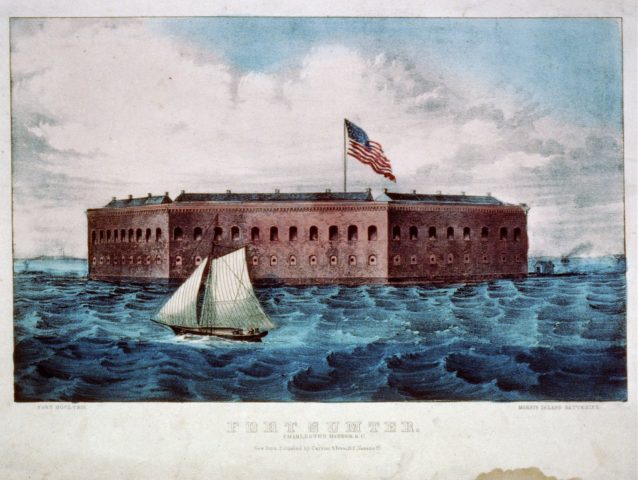
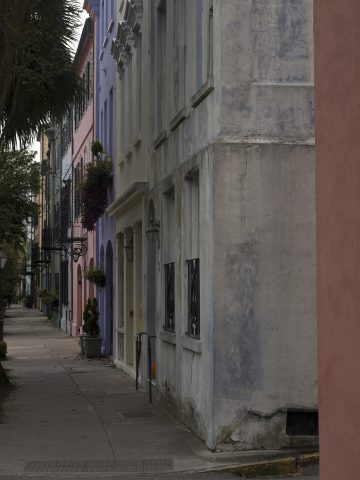
The market’s location adds to its appeal. It sits just steps from the waterfront, where ships once unloaded goods from Europe and the West Indies. A short walk along East Bay Street takes you past grand antebellum homes, their ironwork balconies and shuttered windows hinting at the wealth that once flowed through Charleston. Nearby, Fort Sumter stands as a reminder of the city’s role in the Civil War. The market has witnessed it all—the boom years, the decline after the war, and the slow revival that continues today. It’s a living connection to those layers of history.
For locals, the market is more than just a tourist attraction. It’s where they come for fresh seafood, a quick lunch, or a last-minute gift. On weekdays, it’s quieter, and you can wander the aisles without the weekend crowds, listening to the easy banter between vendors and customers. Early mornings are the best time to visit, when the air is still cool and the stalls are just opening. That’s when you’ll find the freshest shrimp, just off the boat, or a loaf of bread still warm from the oven.
Charleston Market isn’t trying to be anything other than what it is. It’s not pristine—paint peels in places, the wooden floors creak underfoot, and some of the stalls feel like they’ve been here forever. But that’s part of its charm. It’s a place where the past and present coexist without fanfare, where the stories of the city are still being written with every transaction, every conversation, every basket woven by hand. And that’s why, no matter how many times you visit, it always feels like coming home.