Magnolia Plantation and Gardens is one of those rare places where time seems to slow down, allowing you to step into a world that feels both distant and strangely familiar. Established in the early 18th century, it stands as one of the oldest public plantations in the United States, a living testament to the layers of history that have shaped the American South. The land here carries the weight of centuries—from the grand oaks draped in Spanish moss to the quiet ponds where generations of the Drayton family once strolled. While its past is deeply entwined with the complexities of Southern history, today the plantation offers something quieter: a chance to wander through landscapes that have remained largely unchanged, where nature and human history exist side by side.
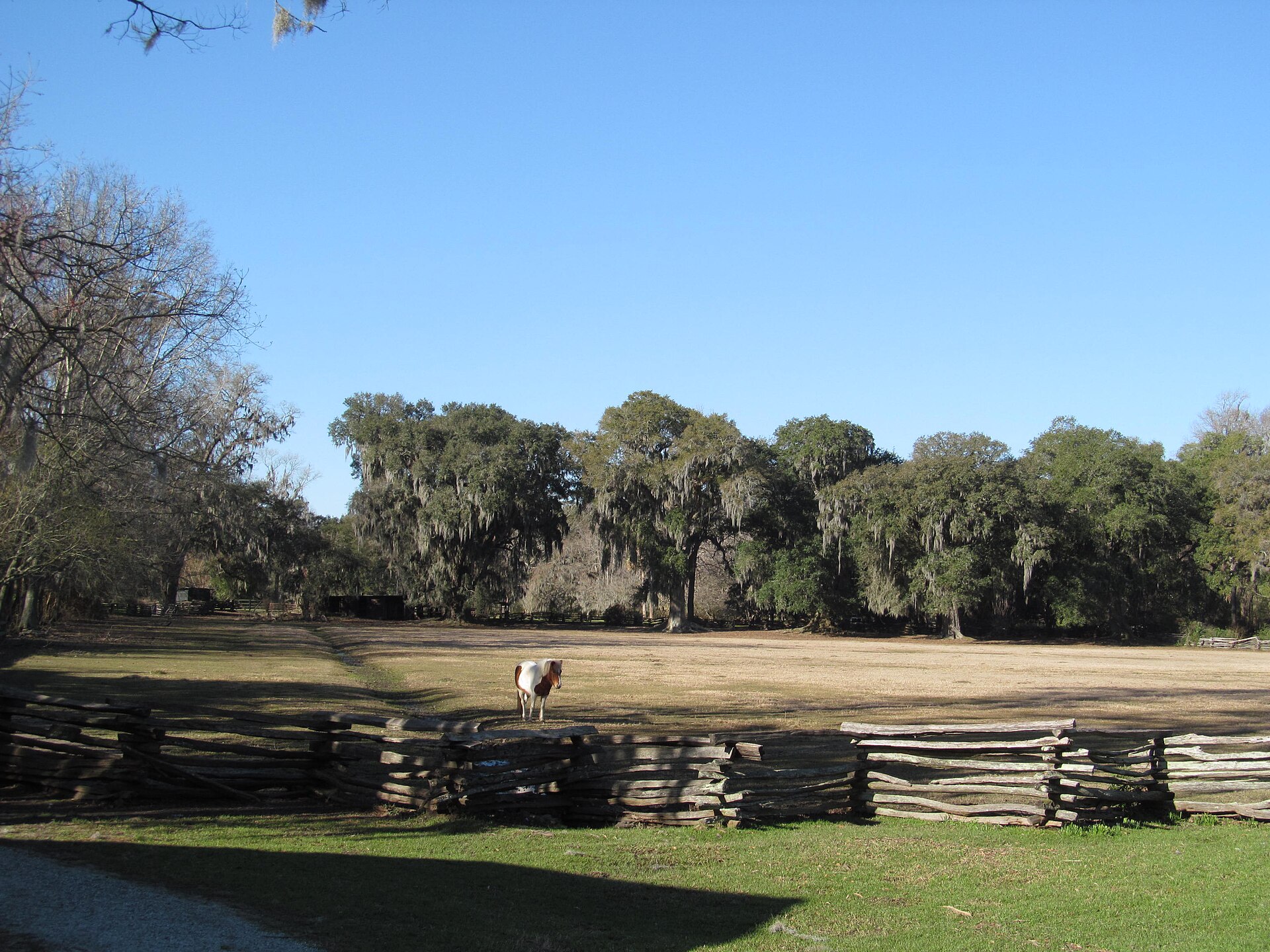
The gardens are the heart of Magnolia, and they tell a story far older than the house itself. Planted in the 1680s, they were never meant to be formal or rigid like the grand estates of Europe. Instead, they grew organically, shaped by the land and the hands of those who tended it. Massive magnolias, some over two hundred years old, stand like sentinels alongside ancient oaks, their branches heavy with moss. In spring, the gardens erupt in color—azaleas and camellias bloom in waves, painting the grounds in shades of pink, red, and white. Even in the quieter months, there’s a sense of life persisting beneath the surface, a reminder that beauty here isn’t just seasonal but enduring.
The main house, though modest by the standards of Southern plantations, holds its own quiet charm. Built in the early 19th century, it’s a wooden structure with wide porches that invite you to linger, much like the family who once called it home. Inside, the rooms feel lived-in, filled with the kind of details that make history tangible—faded portraits, worn furniture, a clock that has ticked through wars and peace. The house isn’t a museum piece but a place where the past is still present, where you can almost hear the echoes of conversations that took place over generations. Tours offer a glimpse into the daily lives of the Draytons, from the colonial era through the Civil War and beyond, revealing how this land has been both a home and a witness to change.
Magnolia’s role in Southern agriculture is impossible to ignore. For centuries, this was a working plantation, first producing rice and indigo before shifting to cotton, the crop that would define the region’s economy. The land was a hub of activity, with hundreds of people—enslaved and free—laboring in the fields, tending the gardens, and maintaining the estate. Today, some of the original outbuildings remain, including the slave cabins, which have been preserved not to glorify the past but to acknowledge it. These structures, though simple, are a stark reminder of the human stories that unfolded here, stories that are as much a part of Magnolia’s history as the grand gardens or the family home.
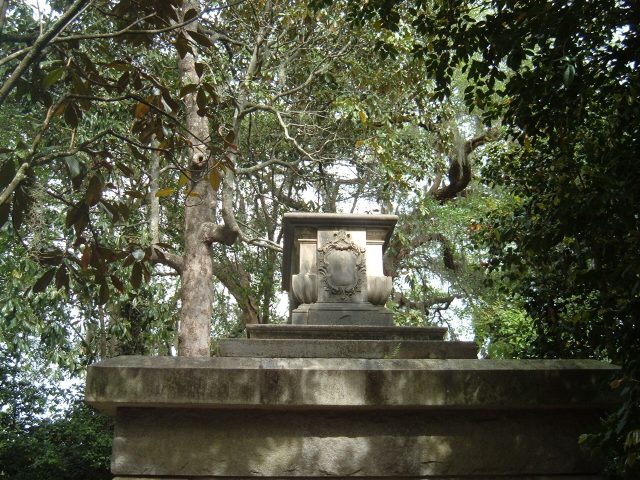
Beyond the gardens and the house, the plantation offers trails that wind through landscapes both wild and cultivated. One path leads to the marshes, where alligators sun themselves on the banks and herons stand motionless in the shallows. Another takes you through dense forests, where the air is thick with the scent of damp earth and the occasional glimpse of an old cemetery or a forgotten road. There’s also a trail dedicated to the African American experience on the plantation, a quiet but powerful reminder of the lives that shaped this place. Walking these paths feels less like sightseeing and more like stepping into a slower rhythm, one that encourages you to notice the small details—the way the light filters through the trees, the sound of a distant birdcall, the texture of moss underfoot.
What makes Magnolia different from other historic sites is its sense of continuity. This isn’t a place frozen in time; it’s still very much alive. Descendants of the Drayton family still live here, and parts of the land are still farmed, just as they have been for centuries. In recent years, new additions like the butterfly pavilion and the heritage vegetable garden have been introduced, blending the old with the new in a way that feels natural. These changes don’t detract from the plantation’s history but rather add to its layers, making each visit feel like a discovery.
Charleston has a way of making you slow down, and Magnolia is one of the reasons why. There are no crowds here, no rush to see everything at once. Instead, there’s space to breathe, to sit by the water’s edge, or to wander without a set path. The air carries the scent of blooming flowers and damp earth, and the only sounds are the rustle of leaves and the occasional call of a bird. It’s the kind of place where you might lose track of time, where an afternoon can stretch into evening without you noticing. That’s the magic of Magnolia—not just in its history or its gardens, but in the way it makes you feel, as if for a little while, you’ve stepped into a world that moves at its own pace.