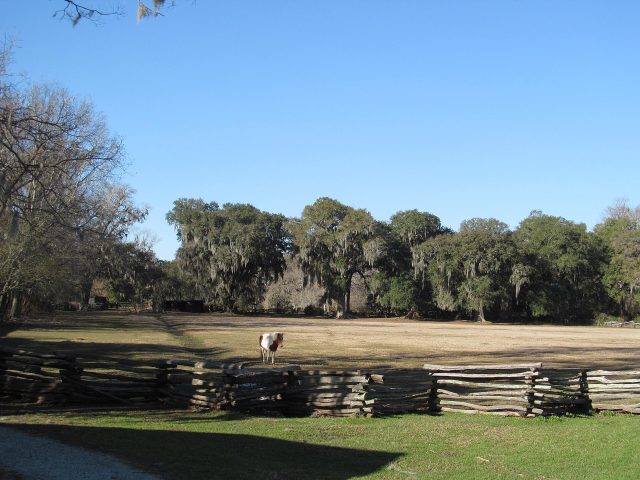
Middleton Place is one of those rare corners of the American South where the past doesn’t just linger—it breathes. A short drive from Charleston, the plantation unfolds along the banks of the Ashley River, its sprawling oaks draped in Spanish moss, their gnarled branches forming a canopy that feels almost alive. The air here carries the weight of centuries, not just in the meticulously designed gardens or the weathered outbuildings, but in the very soil beneath your feet. This isn’t a sanitized museum exhibit or a romanticized relic of the Old South. It’s a place where history is layered into the landscape, where every path and every stone tells a story—some beautiful, some brutal, all undeniably real.
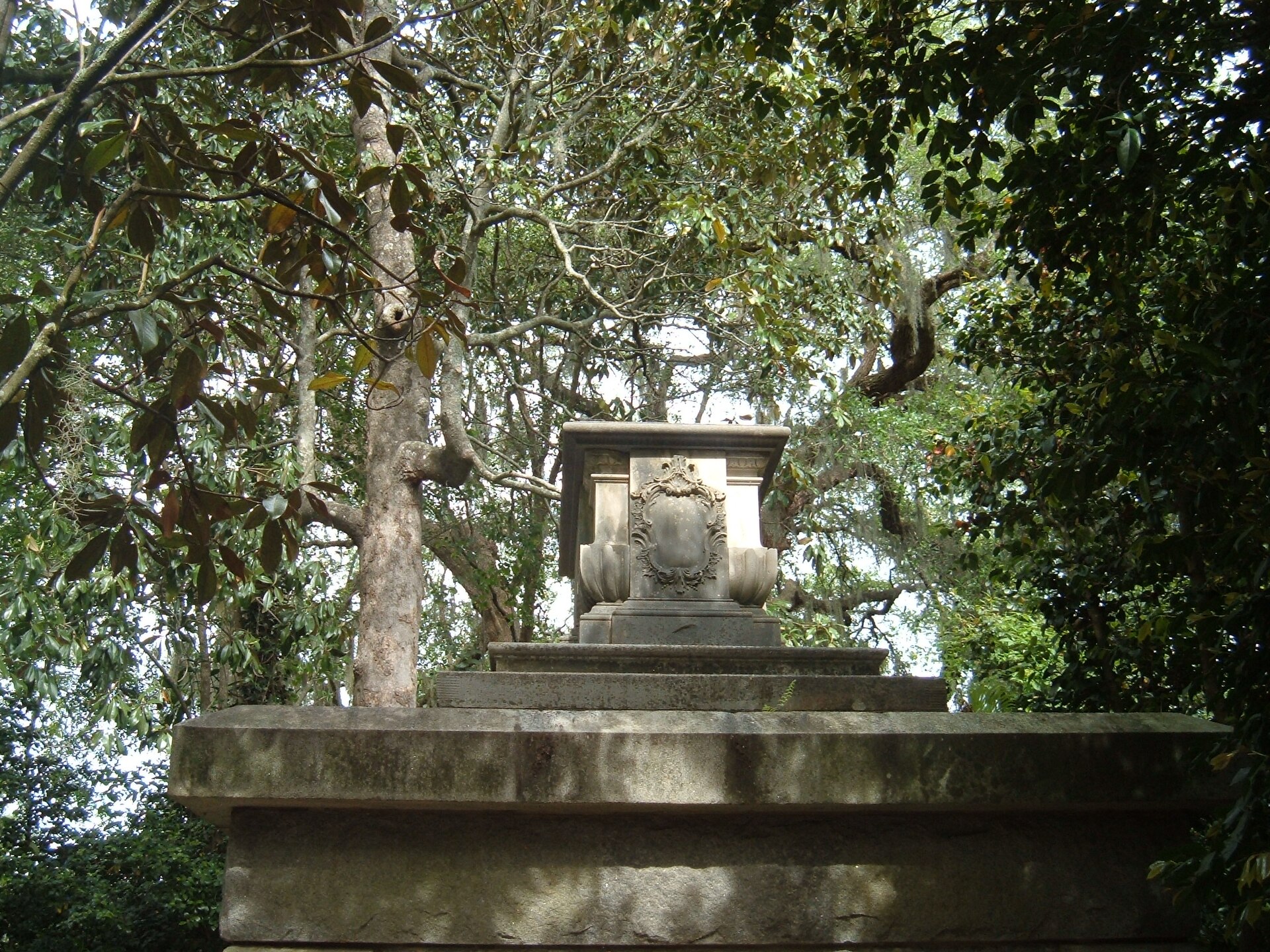
The Middleton family, one of the most powerful dynasties in colonial South Carolina, established the plantation in the 18th century. Henry Middleton, who would later serve as president of the First Continental Congress, and his descendants shaped Middleton Place into a model of agricultural and architectural ambition. The main house, destroyed by an earthquake in 1886, was never fully rebuilt, but the surviving flanker buildings—once used as guest quarters and workspaces—offer a glimpse of the estate’s former grandeur. Among the family’s most notable figures was Arthur Middleton, a signer of the Declaration of Independence, whose legacy is still palpable here. Yet the plantation’s history isn’t just about the Middletons. It’s also about the hundreds of enslaved Africans whose labor made this prosperity possible, and whose stories are woven into the land just as deeply.
The gardens at Middleton Place are often called the heart of the estate, and for good reason. Designed in 1741, they are among the oldest landscaped gardens in America, laid out in a formal, geometric style that reflects the Enlightenment ideals of order and symmetry. Terraces cascade down toward the river, while reflecting pools mirror the sky, and alleys of live oaks frame vistas that feel almost painterly. The gardens were meant to be an extension of the home—a place for contemplation, for leisurely strolls, for the quiet enjoyment of nature’s beauty. Even today, they retain that sense of purpose. In spring, azaleas and camellias erupt in bursts of color, while autumn turns the leaves to gold. Winter brings a hush, the bare branches and still water making the gardens feel like a place out of time.
But the beauty of Middleton Place is only one part of its story. Beyond the manicured lawns and grand allées lie the remnants of the plantation’s working life—the rice fields, the stables, the quarters where enslaved people lived and labored. The estate was built on their backs, its wealth extracted from the cultivation of rice, indigo, and later cotton. A museum on the grounds confronts this history head-on, detailing the brutal conditions of slavery while also honoring the resilience and cultural contributions of the African diaspora. It’s a difficult narrative, but an essential one. Without it, the full picture of the South—and of America—remains incomplete.
Visiting Middleton Place is less about ticking off sights and more about stepping into a different era. The estate invites slow exploration: wandering the garden paths, pausing by the river, listening to the rustle of leaves or the distant lowing of water buffalo. These animals, introduced in the 18th century to work the rice fields, are still a fixture here, their massive forms grazing along the water’s edge or lumbering down the trails. The plantation’s wildlife—horses, birds, even the occasional alligator basking on the riverbank—adds to the sense that this is a living, breathing place, not just a static monument.
What makes Middleton Place so compelling is its refusal to simplify history. There are no easy narratives here, no neat resolutions. The guides don’t gloss over the horrors of slavery, nor do they reduce the plantation to a mere tragedy. Instead, they present it as a complex, contradictory place where beauty and brutality coexisted, where artistry and exploitation were two sides of the same coin. The land itself seems to hold these contradictions. The gardens, with their precise geometry, speak of human control over nature, while the wild edges of the river and the untamed woods beyond remind you that nature always has the final say.
A visit here isn’t something to rush. It’s the kind of place where you might find yourself sitting on a bench by the water, watching the light shift across the oaks, or lingering in the shadow of a centuries-old camellia. The estate offers guided tours that delve into the daily lives of both the planter class and the enslaved, the agricultural techniques that shaped the region, and the architectural quirks of the surviving buildings. But even without a guide, the land has a way of speaking to you. The silence in the gardens, the way the Spanish moss sways in the breeze, the distant call of a bird—it all feels like an invitation to listen, to reflect.
For those who come to Charleston, Middleton Place is worth the short trip. It’s not a place to breeze through in an hour, snapping photos of the highlights. It’s a place to linger, to let the weight of history settle over you. Maybe that’s why it resonates so deeply with visitors, why it feels less like a tourist attraction and more like a pilgrimage. The South has a complicated legacy, and Middleton Place doesn’t shy away from that. Instead, it offers a space to grapple with it—to walk the same paths as those who came before, to see the land as they saw it, and to carry a piece of that understanding with you when you leave.