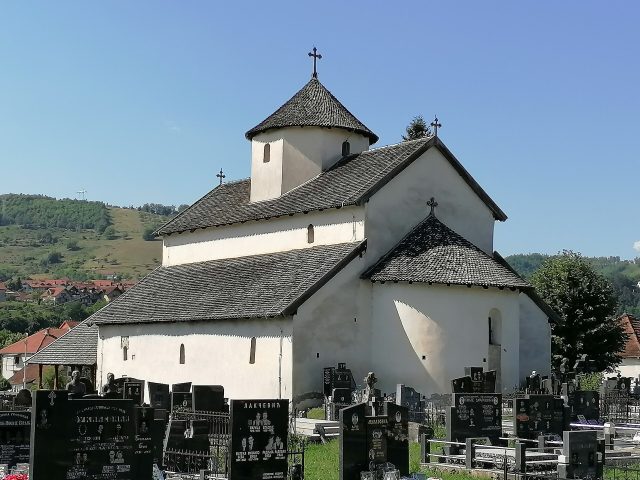
Bielo Polje is one of those places in Montenegro that rarely makes it onto the usual tourist maps. It’s not a coastal town with sun-bleached promenades or a mountain retreat with postcard-perfect views. Instead, it’s a quiet, unassuming city where life unfolds at its own pace, far from the polished veneer of holiday brochures. And at its heart lies the local market—a place that feels less like a commercial hub and more like a living extension of the community itself.
The market in Bielo Polje doesn’t cater to visitors. It exists for the people who live here, and that’s what makes it so different from the bustling bazaars of Budva or Kotor. Early in the morning, when the first light touches the streets, farmers from nearby villages arrive with their trucks and carts, unloading crates of produce they’ve grown themselves. The stalls overflow with seasonal vegetables—tomatoes still warm from the sun, peppers in shades of red and yellow, eggplants with glossy skins. In autumn, the air fills with the scent of ripe figs and grapes, while winter brings jars of preserved fruits and sacks of walnuts. The food here isn’t just sold; it’s shared. A vendor might slice off a piece of cheese for you to taste, or hand over a wedge of watermelon with a smile, explaining how best to prepare it. There’s no rush, no pressure—just the quiet rhythm of daily life.
The market’s architecture is unremarkable in the best possible way. Built during the socialist era, its rows of covered pavilions form a maze of narrow walkways, their concrete and metal structures worn smooth by decades of use. There are no ornate decorations, no grand entrances—just simple wooden stalls and the occasional flickering lightbulb. Yet this simplicity gives the place its own kind of charm. It fits seamlessly into the cityscape, as if it has always been here, a natural part of the urban fabric. Around it, the city moves in its own time: old men playing backgammon on a bench, women haggling over the price of peppers, children darting between the stalls with sticky fingers from stolen bites of fruit.
Bielo Polje has long been a crossroads, a place where trade routes from the Balkans converged. The market’s history stretches back centuries, though its current form took shape in the mid-20th century. Even before that, under Ottoman rule, this area was known for its bazaars, where merchants sold everything from spices to textiles. The modern market carries on that tradition, though in a more modest way. It’s not a place for grand transactions or exotic goods, but for the small, everyday exchanges that keep a community running. A farmer might trade a basket of plums for a loaf of bread, or a neighbor might barter homemade rakija for a kilo of potatoes. These interactions aren’t just about commerce; they’re about connection.
More than just a place to shop, the market is a social hub where people of all ages and backgrounds come together. It’s where retirees catch up on local gossip, where young parents compare notes on raising children, where farmers discuss the year’s harvest. The conversations here are as much a part of the experience as the goods on sale. You might overhear a debate about the best way to cure prosciutto, or a heated discussion about the rising cost of fuel. In a world where so many interactions happen online, the market feels like a throwback—a place where people still talk face to face, where relationships are built over shared cups of coffee and slices of fresh bread.
For those interested in traditional crafts, the market offers a glimpse into Montenegro’s artisanal heritage. In one corner, you might find a woman selling handwoven rugs, their patterns passed down through generations. Nearby, a potter displays clay jugs and bowls, their surfaces smoothed by years of use. There are wooden spoons carved from local beech, embroidered tablecloths, and baskets woven from willow branches. These items aren’t mass-produced souvenirs; they’re made with care, often by the same hands that have been crafting them for decades. The food stalls, too, offer a taste of local tradition—smoked prosciutto, creamy kajmak cheese, quince jam, and honey so thick it clings to the spoon. Prices are modest, but the real value lies in the stories behind each item.
The market follows its own unspoken schedule. By six in the morning, it’s already alive with activity, the air filled with the sounds of bargaining and laughter. By midday, the crowds thin out, and by late afternoon, the stalls begin to empty. On weekends, the atmosphere is livelier, with families from out of town stopping by to stock up on supplies or meet relatives. Summer brings relief from the heat under the shaded pavilions, while winter sees bundled-up vendors huddled around small heaters, their breath visible in the cold air. No matter the season, the market adapts, its rhythms dictated by the needs of the community rather than the demands of tourism.
What makes the market in Bielo Polje special isn’t its size or its selection, but its authenticity. There are no souvenir stands hawking plastic trinkets, no vendors shouting prices in broken English. Instead, there’s the quiet hum of everyday life—the clink of coins, the rustle of plastic bags, the murmur of conversations in Montenegrin. It’s a place where you can wander for hours, sampling fresh cheese, sipping strong coffee from a chipped cup, and watching the city go about its business. For travelers tired of the polished veneer of tourist hotspots, the market offers something far more valuable: a chance to see Montenegro as it really is.
In the end, places like this are where the real memories of a trip are made. Not in the grand cathedrals or the scenic overlooks, but in the small, unscripted moments—the way the light falls on a pile of ripe peaches, the laughter of a group of friends sharing a joke, the quiet satisfaction of biting into a tomato that tastes like summer. The market in Bielo Polje isn’t just a place to buy things; it’s a place to experience the slow, steady pulse of life in a country that’s still very much itself. And that’s something no postcard can capture.