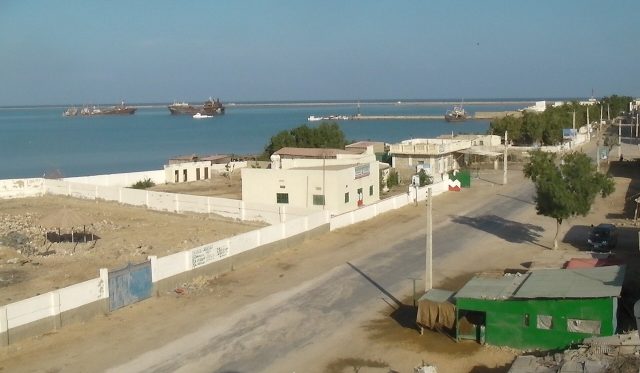
Berbera’s market is where the past and present coexist, a maze of stalls and shaded alleys that has been the city’s heart for generations. It doesn’t announce itself with grand arches or polished signs, but the scent of roasting coffee and spiced meat mingles with the salt-tinged breeze from the Red Sea. The market isn’t just for buying things—it’s where daily life unfolds, from early-morning haggling over fresh fish to the late-afternoon lull when merchants sip sweet tea under awnings.
The layout has changed little over the decades, though the goods have shifted. Once a hub for frankincense and myrrh, it drew merchants from across the Arabian Peninsula. Today, small bundles of resin still sit among the wares, their earthy aroma near the spice stalls. The market now includes plastic sandals, secondhand clothes from the Gulf, locally made baskets, and woven mats. The most persistent sound is the metallic clink of scales as vendors weigh rice, sugar, and lentils, scooping them into recycled plastic bags.
Narrow passages twist between tightly packed stalls, some barely wider than a person’s shoulders. You step aside for donkey carts laden with sacks of charcoal or crates of tomatoes. The buildings are a patchwork of corrugated metal, sun-bleached wood, and concrete, their facades weathered by sea air and dust storms. In older sections, thick stone walls and arched doorways hint at Berbera’s history as a port city. These structures now house butchers, tailors, and repair shops.
The sea shapes the market. Fishermen bring in their catch before dawn, and by mid-morning, the air smells of grilled tuna and kingfish. The fish market is chaotic but efficient, with buyers and sellers shouting over seagulls and the occasional bleat of a goat. Nearby, women sell fresh herbs and citrus, their voices rising above the hum of generators. The sea is a provider, a highway, and a constant presence in daily transactions.
Berbera’s market feels lived-in. There are no tourist stalls or vendors calling out in English. This is a market for locals. A shopkeeper might invite you for tea because hospitality is part of the culture. Bargaining is expected, done with a smile, a performance where both parties know the rules. Prices aren’t fixed—they depend on how much the seller likes your face or how long you’ve chatted about the weather.
The market tells a story of resilience. It has endured colonial rule, civil war, and economic isolation. During the worst years, it was one of the few places where goods still changed hands. Today, it’s a place of quiet normalcy, where the biggest concerns are the price of diesel or the quality of dates from Saudi Arabia.
For visitors, the market offers a glimpse into a side of Somalia that’s often overlooked. There’s no grand narrative, no curated experience—just the reality of a city that has always been a crossroads. You might leave with a bag of spices or a woven basket, but you’ll carry something less tangible: the sense of having walked through a place that refuses to be anything other than itself.