Berbera
Somalia · 3 places
Photo: Siirski, Public domain
Berbera
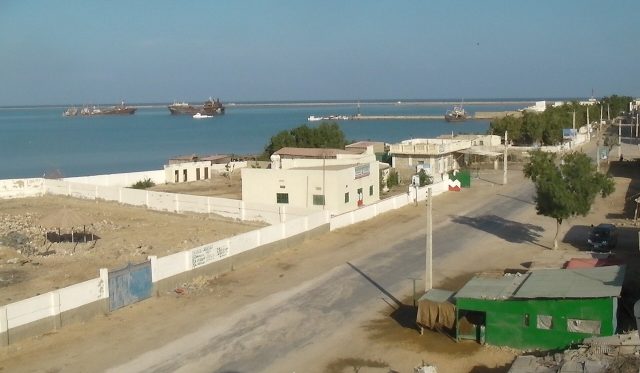
Berbera sits where the past and present blur. On the edge of the Gulf of Aden, the sea breeze carries the scent of salt, drying fish, and spices through the narrow streets of the old quarter. This was always a place of arrivals—Arab merchants, Ottoman soldiers, British administrators—though the city doesn’t flaunt its history. It lingers in the weathered stones of the docks, the rusted anchors of forgotten ships, the crumbling houses with carved wooden balconies, once home to wealthy traders. Berbera has been a port for centuries, sometimes small, sometimes vital, now just a quiet corner that still refuses to fade away.
Life here moves to the tides. Mornings belong to the fishermen, their boats returning with the night’s catch. The shore becomes a market of bright dresses and haggling voices. Children unload nets while old men squat by the water, watching the horizon. By midday, the sun empties the streets—only shadows and camels chewing shrubs remain. But as the light softens, the city stirs again. Vendors sell flatbread and sweet tea, music plays from radios, and young people gather by the waterfront.
Berbera has no hurry. It lacks Mogadishu’s chaos or Hargeisa’s austerity, but it has the sea. The sea feeds the town, employs its people, cools the air, and brings visitors. During the monsoon, waves turn fierce, and the port falls silent. The locals know it’s temporary. When the wind dies, ships return, and life resumes.
The old port is the city’s heartbeat. Its docks remember the British colonial era, when ships carried hides, frankincense, and myrrh. Today, fishing boats and cargo vessels tie up here, but the atmosphere hasn’t changed—shouts of dockworkers, salt and diesel in the air. Nearby, early 20th-century buildings stand with peeling plaster and high ceilings, once offices and warehouses. Some still have doors with iron grilles or fragments of mosaic floors.
Berbera isn’t for luxury. There are no museums, no theaters, no proper roads—just dusty streets where an old truck might pass. That’s what makes it real. The city doesn’t try to impress. It exists, unhurried.
If you stay a few days, you might grill fresh fish over charcoal, share tea with elders, listen to stories of the past. When you leave, you’ll carry something rare: the feeling of a place where time stood still.
See & Do
All of them

Places on the map
Marker colour follows the categoryClimate and weather
Detailed weather: Berbera- Average temperature
- 30 °C
- Precipitation per year
- 119 mm
- Average humidity
- 58 %
- Sunshine hours per day
- 11.1 h
- Time zone
- UTC+3 (GMT+3)
Average air temperature
°C
25
26
27
29
32
36
36
35
34
30
27
26
Jan
Feb
Mar
Apr
May
Jun
Jul
Aug
Sep
Oct
Nov
Dec