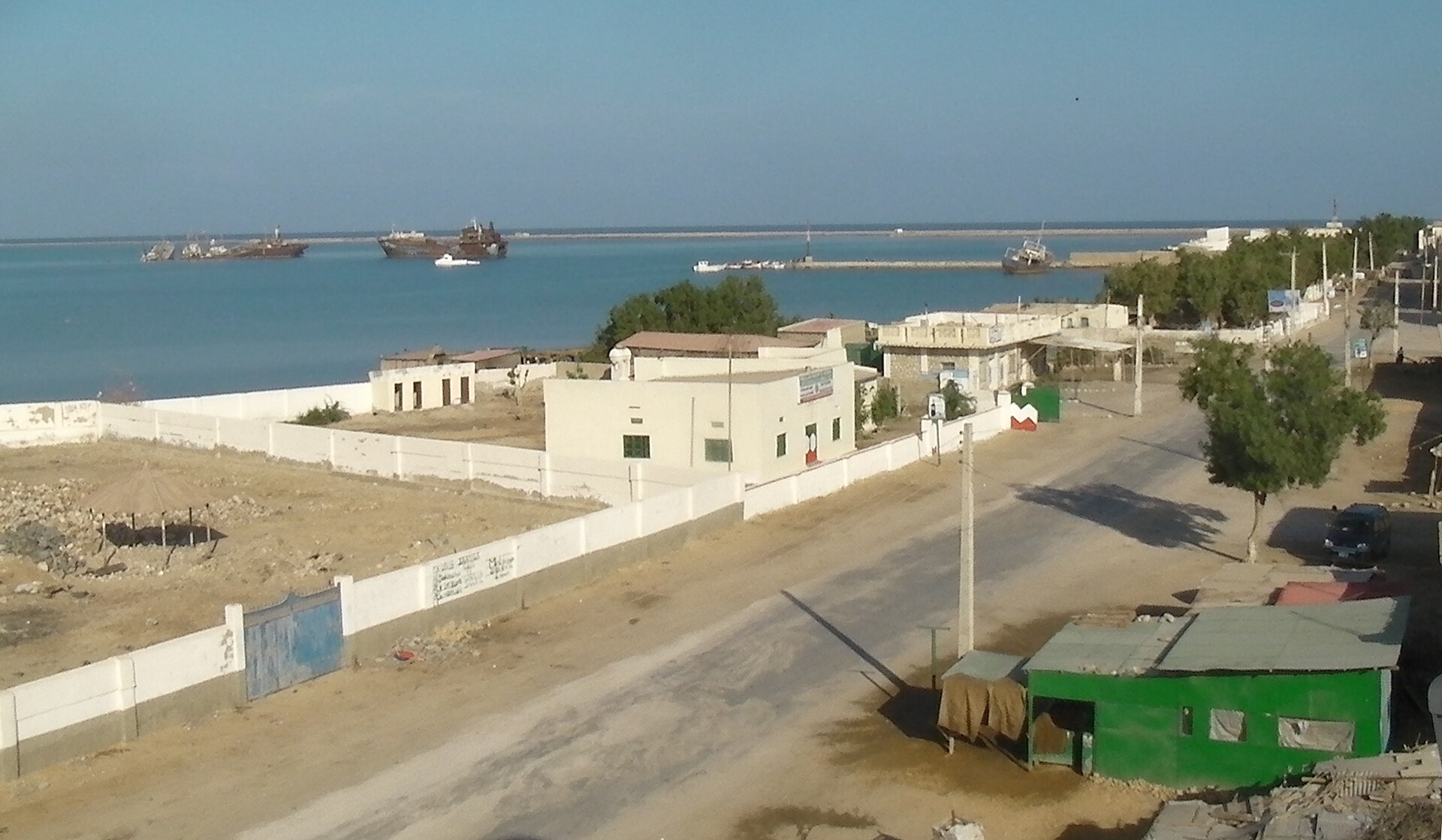
Berbera’s port is one of those places where history feels alive, not because it’s polished for tourists, but because it’s still very much in use. The harbor sits on the southern coast of the Gulf of Aden, where the water is a deep, almost unnatural blue, contrasting with the pale dust of the town. For centuries, this stretch of coastline has been a crossroads—traders from Arabia, Persia, and the Indian subcontinent once anchored here, exchanging spices, textiles, and frankincense. The port’s significance didn’t fade with time; it simply adapted. Today, it’s a working hub, where fishing boats, cargo ships, and the occasional naval vessel share the same waters.
The architecture around the port tells a story of layers. The oldest structures are low-slung, built from coral stone and plaster, their thick walls designed to keep out the heat. Some date back to the Ottoman era, when Berbera was a key stop on the Red Sea trade routes. Later, the British added their own imprint during their colonial administration, constructing warehouses and administrative buildings in a more utilitarian style. The most striking feature, though, is the lighthouse—a squat, whitewashed tower that has guided ships for over a century. It’s not grand or ornate, but it stands as a quiet reminder of the port’s enduring role.
Life here moves at the pace of the tides. In the early morning, fishermen bring in their catch, and the docks buzz with activity as workers sort through tuna, sardines, and the occasional shark. By midday, the heat drives most people indoors, and the port takes on a slower rhythm. The air smells of salt, diesel, and grilled fish from the small stalls that line the waterfront. In the evenings, when the temperature drops, men gather to drink tea and play dominoes under the shade of acacia trees, their voices mixing with the sound of waves lapping against the shore.
The port’s modern importance is tied to Somalia’s broader economic struggles and ambitions. After decades of conflict, Berbera has become a focal point for reconstruction efforts, with investments aimed at expanding its capacity. The hope is that it can reclaim some of its historical role as a gateway for trade in the Horn of Africa. Already, it handles a significant portion of the country’s imports and exports, including livestock—a major commodity in Somalia. The sight of goats and camels being loaded onto ships is a reminder that, despite the changes, the port remains deeply connected to the region’s traditional economy.
For outsiders, the port offers a rare glimpse into a side of Somalia that isn’t defined by headlines. There are no luxury resorts or guided tours, just the raw, unfiltered reality of a place that has always been about movement and exchange. The security situation means that visitors are rare, but those who do make it here often find themselves struck by the resilience of the people. The port workers, fishermen, and traders go about their business with a matter-of-fact determination, as if the challenges of the past few decades were just another layer in the story of this place.
The surrounding town of Berbera adds to the port’s character. It’s a place of contrasts—dusty streets lined with crumbling Italianate buildings from the colonial era, alongside newer structures thrown up in haste. The old quarter, with its narrow alleys and flat-roofed houses, feels like a relic of a different time. Nearby, the beach stretches out in a long, empty arc, where the only footprints are those of locals taking an evening stroll. The water is warm and inviting, though swimming is often discouraged due to strong currents.
The port’s future is uncertain, as is much of Somalia’s. But there’s a sense that Berbera will endure, just as it has for centuries. It may not be a place that draws crowds, but that’s part of its appeal. Here, the past and present coexist without pretense, and the rhythm of life is dictated by the sea, the seasons, and the steady flow of goods and people. For those who take the time to look, it’s a reminder that even in the most overlooked corners of the world, there are stories worth paying attention to.