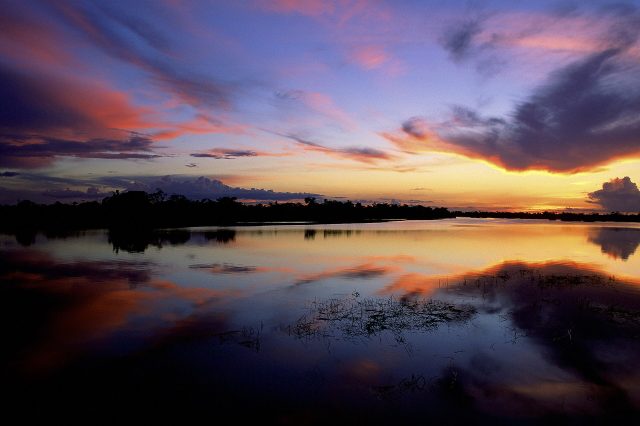
Barcelos Market is one of those rare places where the pulse of the Amazon feels tangible, unfiltered by tourist expectations or polished facades. Tucked along the banks of the Rio Negro in the heart of the city, it has served for generations as more than just a trading post—it’s a gathering place where locals and the occasional traveler step into the rhythm of daily life in this remote corner of Brazil. There are no souvenir stalls hawking trinkets, no staged performances for visitors. Instead, the market hums with the quiet, unscripted energy of people buying groceries, catching up on news, or simply passing the time under the shelter of its corrugated metal roofs.
The market’s history is woven into the story of Barcelos itself. The town began as an 18th-century outpost during the early exploration of the Amazon, and trade has always been its lifeblood. In the beginning, vendors arrived by boat, docking along the riverbank to barter goods in the open air, their voices mingling with the calls of birds and the rush of water. Over time, wooden stalls replaced the makeshift setups, and later, more permanent structures took shape. Yet even now, the market retains the spirit of those early days, a place where time moves to the cadence of the river rather than the clock.
The architecture is simple, built for function rather than aesthetics. Narrow aisles wind between rows of stalls, their metal roofs offering respite from the midday sun or sudden downpours that sweep through the region without warning. The stalls themselves are practical, lived-in spaces: neat piles of fruit, dried fish, and spices share counter space with handmade scales, battered cash registers, and thermoses of strong coffee. The wear and tear on everything—the chipped paint, the frayed edges of tarps—only adds to the market’s character, a reminder that this is a place shaped by use, not design.
What draws people here, of course, is the sheer abundance of goods, most of it sourced from the surrounding rivers and forests. Fish dominates the offerings, with at least a dozen varieties laid out in heaps or swimming in plastic tubs—from the massive pirarucu, prized for its tender meat, to the tiny tapiira, often fried whole. Vendors sell it fresh, smoked, salted, or dried, depending on the day’s catch. Nearby, mounds of tropical fruit spill across tables: maracuja with its tart pulp, cupuaçu with its creamy richness, açaí berries that stain fingers purple, and guava so fragrant it perfumes the air. The scents of spices, smoked meats, and fresh herbs mingle in a way that’s distinctly Amazonian, a sensory map of the region’s bounty.
Handcrafted goods hold their own corner of the market, brought in by Indigenous communities from the surrounding rainforest. Woven baskets made from vines, jewelry strung with seeds and feathers, and clay pots painted with traditional patterns line the stalls. These items aren’t mass-produced; each piece carries the marks of its maker, the slight irregularities in shape or stitching a testament to the hands that shaped them. For outsiders, they offer a rare glimpse into the cultural heritage of the Amazon’s original inhabitants, but locals buy them too, drawn to their authenticity and the stories they carry.
The market is at its liveliest in the early morning, when fishermen unload their catches, farmers arrive with crates of produce, and shoppers weave through the crowds, baskets in hand. The air buzzes with conversation—bargaining, gossip, updates on family or the river’s latest mood. It’s not uncommon to see a vendor break off mid-sale to hand a neighbor a cup of coffee or a piece of cake, a small gesture that underscores how deeply the market is tied to the community. These interactions aren’t performative; they’re just part of the fabric of life here, where commerce and connection go hand in hand.
For visitors, the market is a window into a way of life that feels worlds away from Brazil’s coastal cities or tourist hubs. There are no luxury hotels or multilingual menus, just the raw, unvarnished reality of Amazonian existence. You can sample dishes cooked on the spot—grilled fish with tapioca, turtle soup, or juices blended from whatever fruit is in season. If you’re lucky, a local might share a story or two about life on the river, the challenges of fishing, or the quiet joys of living in a place where the forest and water dictate the pace of things.
Barcelos isn’t a destination for those seeking comfort or entertainment. It’s a town that operates on its own terms, and the market reflects that. The smells of smoked fish and ripe fruit, the chatter of vendors, the way the light filters through the gaps in the roof—it’s all unpolished, unapologetically real. That’s why those who wander in tend to remember it. The market doesn’t try to impress; it simply exists, a living, breathing slice of Amazonian life, and in that honesty, it has a charm all its own.