Barcelos
Brazil · 4 places
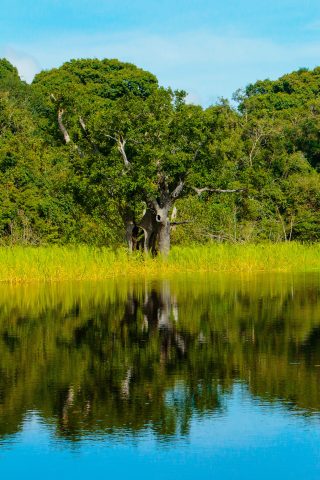
Photo: Diego Lezama, CC BY-SA 4.0
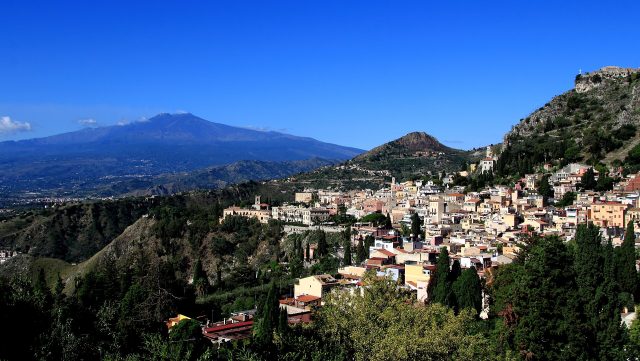
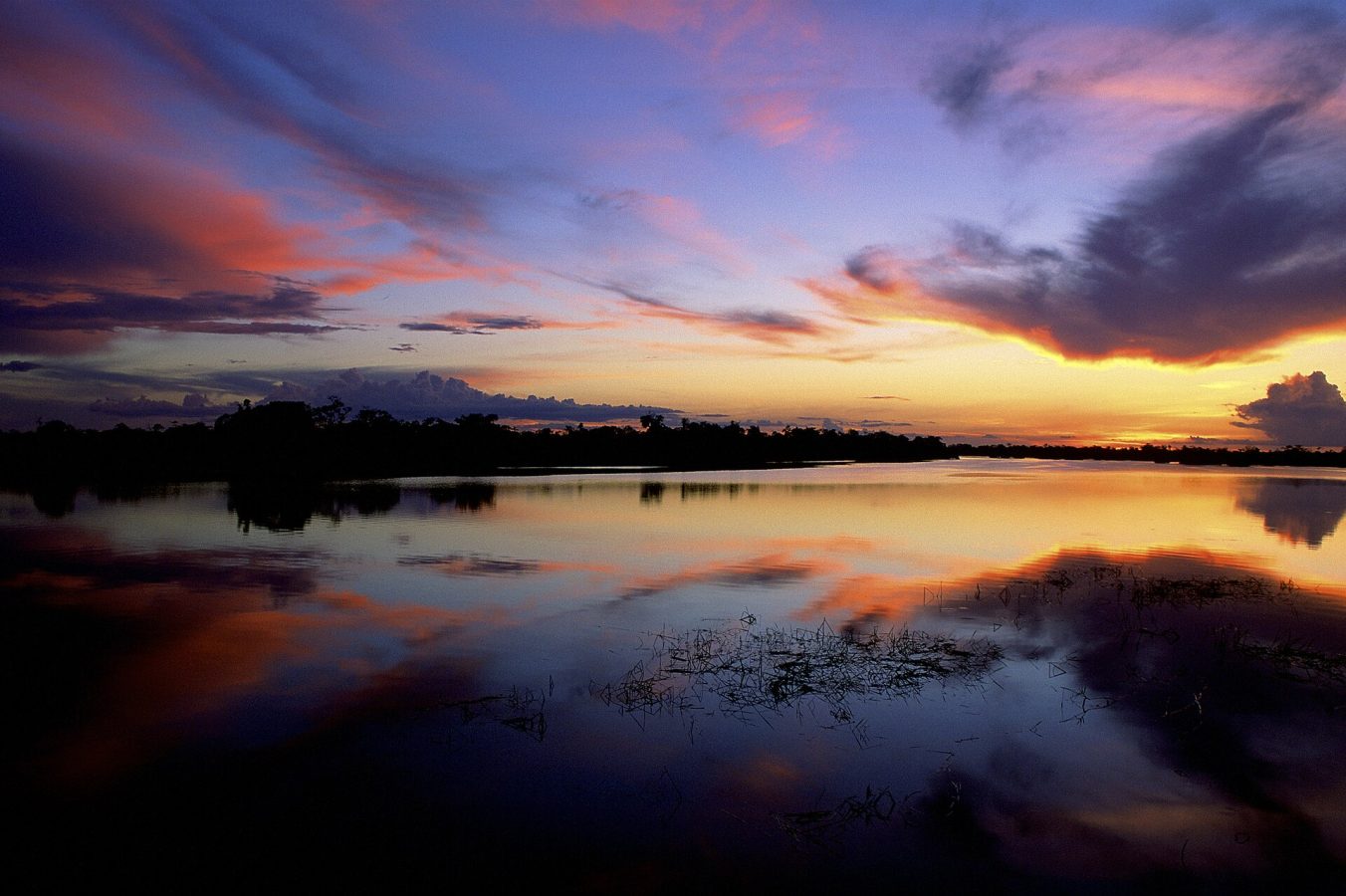
Barcelos clings to the bend of the Rio Negro, where the river’s dark water swallows light like a slow breath. Boats—fishing skiffs, motorized canoes, the rare cargo raft—drift past, their engines sputtering before vanishing into the morning mist. The town is a handful of stilted wooden houses, their planks silvered by sun and rain, linked by paths that dissolve into mud when the rains arrive. No traffic lights, no sidewalks. Time here isn’t counted in hours but in the river’s rise, the fish runs, the way vines reclaim empty buildings.
The weight of what was
In the 1700s, Portuguese traders used Barcelos as a foothold into the jungle. Now, the past survives in fragments: the cracked plaster of a colonial church, a moss-covered stone wall reclaimed by roots. No museums, no plaques—just the stories people tell. Of rubber barons who bled the forest dry. Of indigenous communities that resisted. Of lives bent to the river’s moods. Most old buildings have crumbled or been patched with scrap wood and tin, but the town’s pulse hasn’t changed. The jungle is always there, pressing against the last house.
What the river gives
Fishermen drag in catfish, piranhas, pirarucu—fish with scales that catch the light like coins. At the market, women clean them on wooden tables, the air thick with the smell of smoke, diesel, and overripe fruit. Dugout canoes take shape under the bite of hand axes, the rhythm unchanged for centuries. Palm fibers become baskets, seeds turn into necklaces. Tourists are rare. Those who come want the unvarnished truth: a place where survival still depends on the land and the water.
Beyond the town, the jungle starts immediately. The river is the only road. Locals navigate it as easily as a city street. A short boat ride might bring pink river dolphins arching from the water or monkeys swinging through the trees. At night, the forest hums—frogs, insects, the occasional distant howl. Expeditions head deeper into the wilderness, where the river narrows and the trees lean in. But even a walk along the shore feels like crossing into another world.
Barcelos has no luxury. No fine dining. No nightlife. What it has is silence, broken by bird calls and the slap of water against docks. People here live by the river’s rhythm—seasons, tides, fish migrations. It doesn’t try to impress. For some, that’s loneliness. For others, it’s the last real freedom. The town doesn’t need to be more. It’s just a quiet place on the edge of the wild, where the Amazon still makes the rules.
See & Do
4 places

Places on the map
Marker colour follows the categoryClimate and weather
Detailed weather: Barcelos- Average temperature
- 27 °C
- Precipitation per year
- 2368 mm
Average air temperature
°C
27
27
26
26
26
26
26
27
27
28
27
27
Jan
Feb
Mar
Apr
May
Jun
Jul
Aug
Sep
Oct
Nov
Dec