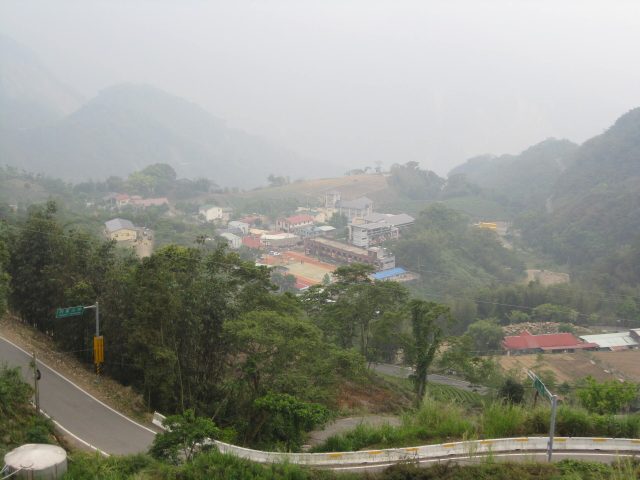
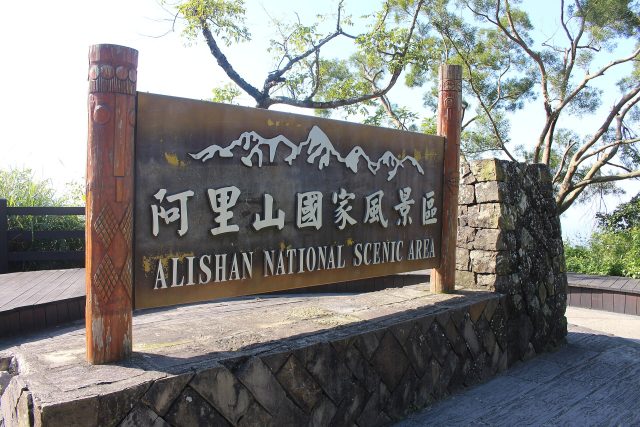
Alishan Market sits in Shuishan Mountain, where Taiwan feels unguarded. No tourist traps, no forced charm—just the smell of fried tofu blending with fresh tea and the low murmur of Hokkien. It’s smaller than Taipei’s or Kaohsiung’s markets, but that’s why it works. Locals come for the food they eat every day: noodles, vegetables, fish hauled in from the coast. To an outsider, it might look chaotic, but there’s a rhythm. Every stall has its spot, and vendors move like they’ve known each other for decades.
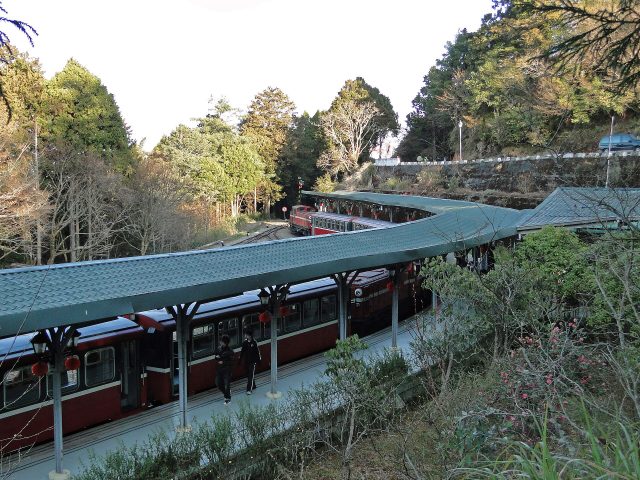
The market grew alongside Alishan, a region known for tea plantations and misty forests. Once remote, it drew only traders and farmers. When tourism arrived in the mid-20th century, the market became a village staple. But it never turned into a spectacle. Visitors do stop by—those who take the train or bus to see the mountains—but the regulars are still locals. For them, the market isn’t an attraction; it’s part of the day. Mornings are busiest: farmers bring produce, fishermen unload their catch, tea merchants lay out the latest harvest. By midday, the crowd thins, and the market slows to a quiet hum.
The stalls are built from wood and concrete, practical and unpolished. Narrow aisles wind between them, packed with baskets of goods. The roofs keep out the rain, which falls often. On wet days, steam from hot food rises into the damp air, mixing with the scent of wet earth. Vendors in raincoats keep working, undisturbed. It feels less like a market and more like a shared kitchen.
Food is the core. No gourmet dishes, just honest flavors. Alishan tea, grown on nearby slopes, is sold loose in paper bags. Locals drink it plain, savoring the slight bitterness. Visitors buy it as a souvenir—it’s that memorable. Then there are the fried noodles with pork and vegetables, cooked right in front of you. The dish is simple, but the sauce, the texture, the cook’s skill—something keeps people coming back.
The market also sells what mountain life demands: warm socks, tea-farming tools, dried mushrooms from Alishan’s forests. Local honey, rich and dark. Medicinal herbs for traditional remedies. The goods aren’t styled to impress. They’re just there, because they’re needed.
What stays with you isn’t the scenery but the pace. No crowds shoving for photos. Just the clatter of knives, the rustle of bags, the quiet hum of conversation. Vendors don’t shout or pressure. They wait, offering samples now and then, as if sharing something personal. Even a small purchase—a bowl of noodles, a bag of tea—feels like a moment worth slowing down for.
If you come to Alishan for its forests and peaks, the market might surprise you. The mountains are the main draw, but here, among the stalls and the scent of food, you feel the place’s heartbeat. It’s not just a market. It’s a piece of culture that remembers when Alishan was just a village. Some things change. Some don’t. That’s why it endures.