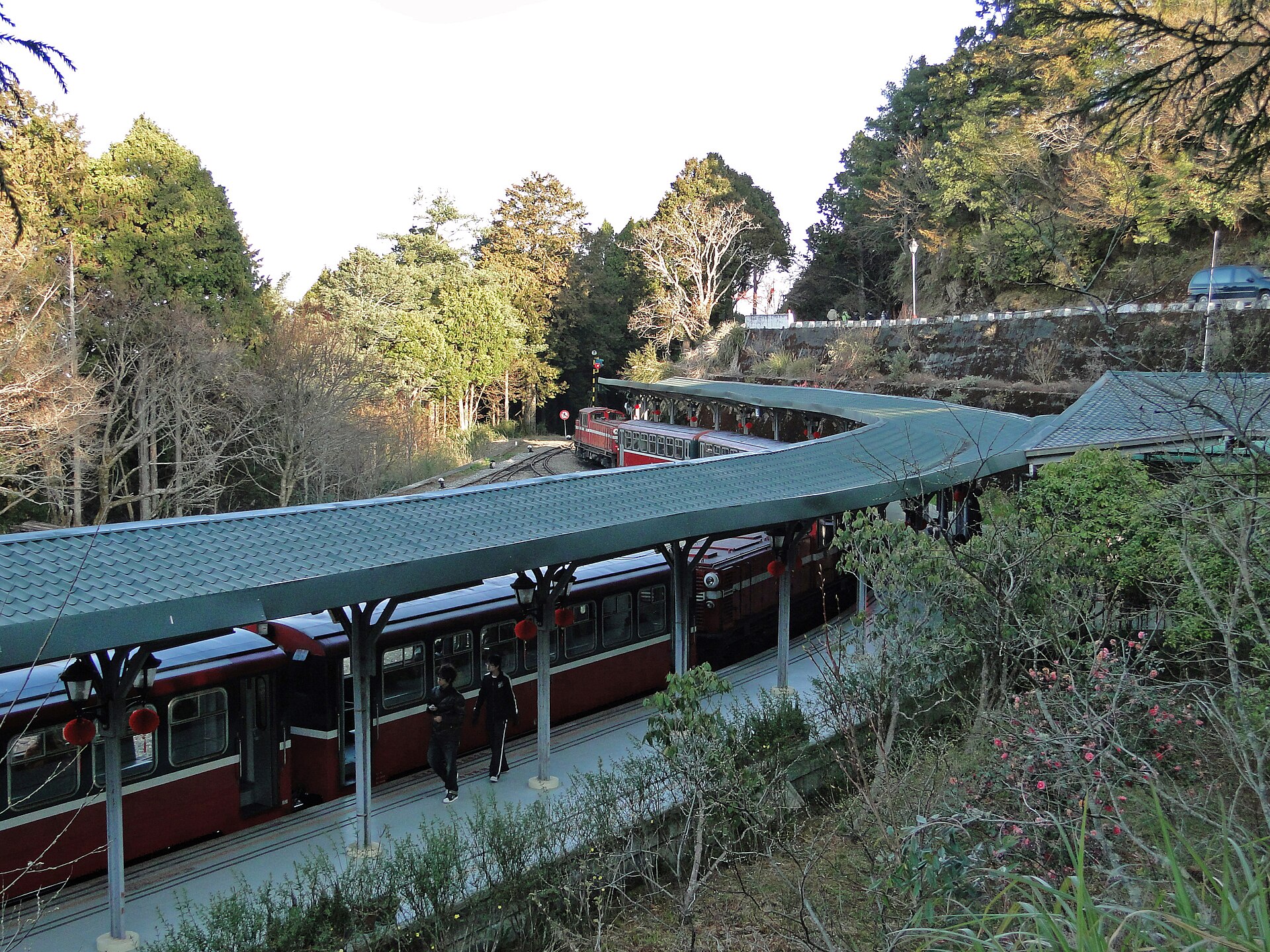
The Alishan Forest Railway isn’t just a way to get from one place to another—it’s a journey through time, winding its way into Taiwan’s history and culture. Built in the early 20th century during Japanese rule, the railway was originally designed to haul timber from the dense forests of Alishan, a mountain range known for its ancient cedars and mist-shrouded peaks. What started as an industrial project has since become something far more enduring: a living monument to human ingenuity and the quiet beauty of Taiwan’s highlands.
The route begins in Chiayi, a city nestled in the lowlands, and climbs more than two thousand meters into the mountains. The ascent is gradual, but the changes along the way are dramatic. The air grows cooler, the vegetation shifts from subtropical greenery to towering conifers, and the scent of damp earth and pine resin fills the carriages. The railway doesn’t take the most direct path—it can’t. The terrain is too steep, too unforgiving, so the tracks loop and spiral, zigzagging up the slopes in a series of tight turns. There’s no rushing here. The train moves at its own pace, allowing passengers to watch the landscape unfold like a slow-moving painting.
What makes this railway remarkable isn’t just its age, but the way it was built. The narrow-gauge tracks, just 762 millimeters wide, were laid almost entirely by hand, using basic tools and the labor of countless workers. Some sections cling to the sides of cliffs, supported by bridges and viaducts that have stood for over a century. The most famous of these is the Zhushan spiral tunnel, where the train circles inside the mountain before emerging higher up the slope. It’s a solution born of necessity, but today it feels like something out of a storybook—a reminder of how people once worked with the land rather than against it.
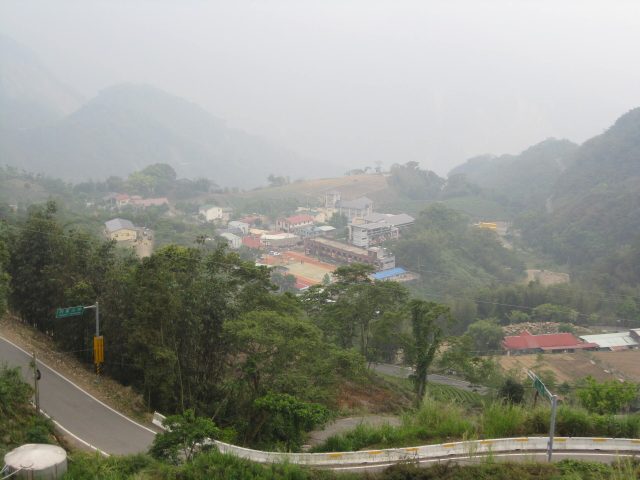
The railway isn’t just for tourists. Locals still rely on it to move goods and travel between the scattered villages along the route. You might share a carriage with a farmer carrying supplies, a student heading to school, or an elderly resident visiting family. There’s no separation between visitors and those who call these mountains home. That mix of people gives the journey a sense of authenticity, a feeling that this isn’t just a curated experience but a real part of daily life. The wooden benches, the clatter of the wheels, the occasional stop at a tiny station where someone might hop off to buy tea—it all feels unpolished and genuine.
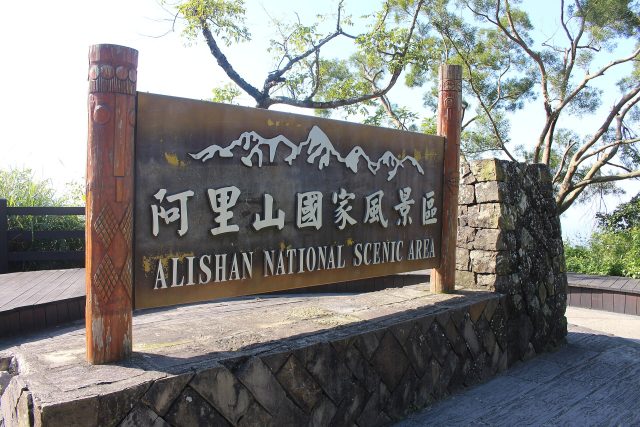
The real reward for making the trip is Alishan itself. The mountain range is famous for its ancient cedars, some over two thousand years old, their gnarled roots gripping the rocky soil. On clear mornings, the sunrise over the sea of clouds is breathtaking, with the light spilling over the peaks like liquid gold. When the mist rolls in, the forest takes on an otherworldly quality, the trees fading into the haze as if they’re part of some half-remembered dream. The Alishan National Scenic Area offers hiking trails that wind past waterfalls, alpine lakes, and viewpoints where the entire island seems to stretch out below. But even if you never leave the train, the scenery is enough to leave a lasting impression.
The journey is slow, taking several hours from start to finish. There’s no luxury here—just wide windows, wooden seats, and the occasional murmur of conversation. Sometimes the train stops at a small station, giving passengers a chance to step out, stretch their legs, and breathe in the crisp mountain air. It’s the kind of trip where time doesn’t matter, where the destination is only part of the experience. The rhythm of the train, the changing light, the way the landscape shifts from one moment to the next—it all adds up to something far more meaningful than a simple ride.
The railway has faced its share of challenges. Landslides and typhoons have damaged the tracks over the years, and the rise of road travel has made its future uncertain. Yet efforts to preserve it continue, because this isn’t just a railway—it’s a piece of Taiwan’s identity. For many, it represents a connection to the past, a reminder of how people once moved through the world with patience and care. It’s also a testament to the idea that some things are worth saving, not because they’re efficient or modern, but because they carry stories that deserve to be told.
If you find yourself in Taiwan, take a moment to step away from the cities and the beaches. Make your way to Chiayi, board the train, and let it carry you up into the mountains. There’s no need to rush. The views will wait, the air will stay cool, and the journey itself will be just as memorable as the place you’re heading toward. When the train finally pulls into the station at Alishan, you might realize that the ride was the whole point after all.