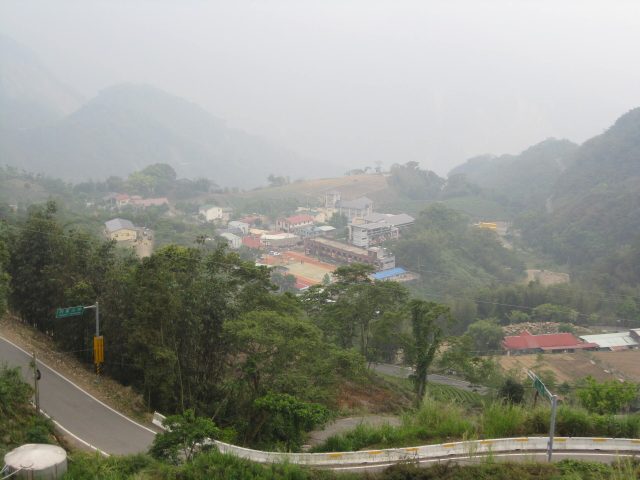
The Tropic of Cancer marker in Taiwan isn’t just a point on a map—it’s where the planet’s geometry meets the land in a quiet, unassuming way. Perched on Shuishan Mountain at around two hundred meters above sea level, this invisible line divides the subtropical and tropical climate zones. For travelers, it’s a place where you can stand with one foot in each zone, though the difference is more conceptual than tangible. The surrounding hills roll gently under a thick cover of greenery, dotted with small villages where life moves at a slower pace, far from the hum of Taiwan’s cities.
The monument itself is modest—a simple stone marker with inscriptions in Chinese and Latin script, set on a small paved area. It was erected in the mid-20th century, and its understated design gives it a certain dignity. Nearby, a sign displays the coordinates, a reminder that geography isn’t just an abstract idea but something that shapes the world around us. On hot days, the spot fills with visitors: school groups, families, and curious travelers pausing to mark their presence at this intangible boundary.
The landscape here is typical of central Taiwan. Low hills covered in bamboo and scrubby trees give way to rice paddies and fruit orchards. In the distance, mountains rise, their slopes turning golden and pink as the sun sets. The air is cleaner than in Taipei or Kaohsiung, and even in summer, the heat feels less oppressive than in the island’s south. Locals farm tea, lychee, and other tropical crops, which eventually make their way to markets across the country.
While Taiwan’s Tropic of Cancer marker isn’t unique—similar monuments exist in Mexico, Saudi Arabia, India, and elsewhere—it holds a special significance here. Taiwan may be small, but its geography is remarkably diverse, from the snow-capped peaks of Yushan to the steamy jungles of the east. The Tropic of Cancer underscores this variety, a reminder that the island sits at the crossroads of different climates. For scientists, it’s a point of ecological interest; for everyone else, it’s a chance to reflect on how the world is structured.
There are no grand tourist attractions here, and that’s part of the appeal. No souvenir stalls, no flashy displays—just a road leading to the marker, a small parking lot, and a few cafes where you can sip tea or try local dishes. Cyclists occasionally pass through, heading toward the mountains or the coast, and sometimes groups of schoolchildren gather around the sign, trying to grasp why this particular spot matters.
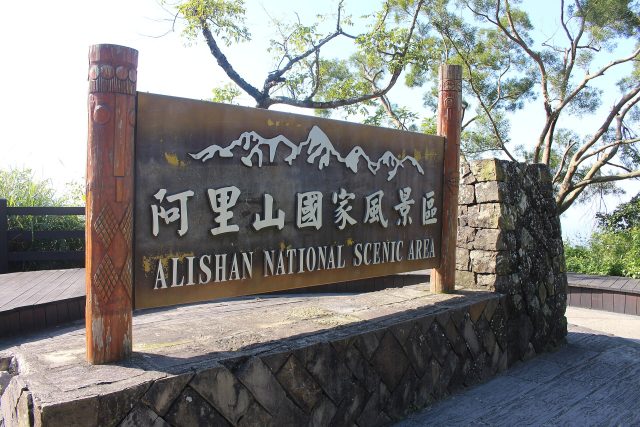
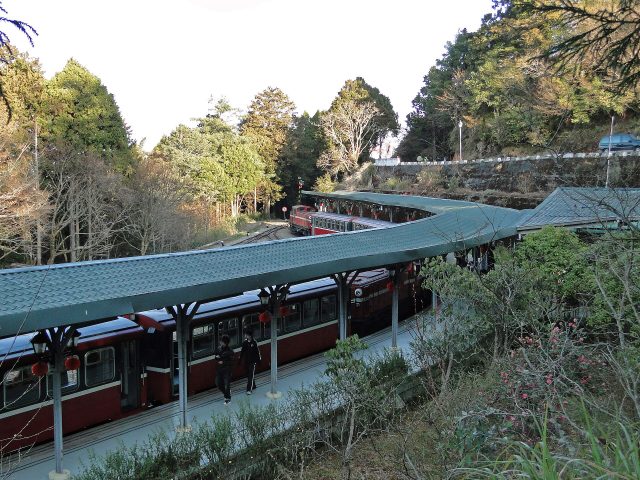
If you want to linger, there are options nearby. The town of Chiayi is close, with its old streets and night markets serving up street food. Or you could head to Alishan, famous for its tea plantations and ancient cypress forests. But even if you just stand by the marker, watching the hills and listening to the hum of cicadas, it’s enough to feel that Taiwan isn’t just about cities and technology—it’s also about a landscape that moves to its own rhythm.
It’s worth noting that the Tropic of Cancer isn’t fixed in place. Due to shifts in the Earth’s axial tilt, it drifts southward by about fifteen meters each year. In a few thousand years, the monument will no longer mark the correct spot, and someone will have to move it or build a new one. For now, though, it serves its purpose, a quiet reminder of how fragile and vast our planet is.
As dusk falls, the place grows still. The last visitors leave, and the only sounds are the rustle of leaves and the distant call of birds. If you’re lucky, you might catch the sunset, when the sky over the hills turns shades of orange and purple, and the shadows stretch long and mysterious. In moments like these, it’s easy to see why people mark such places—not just to note coordinates, but to capture something deeper, something that ties us to the Earth and its history.