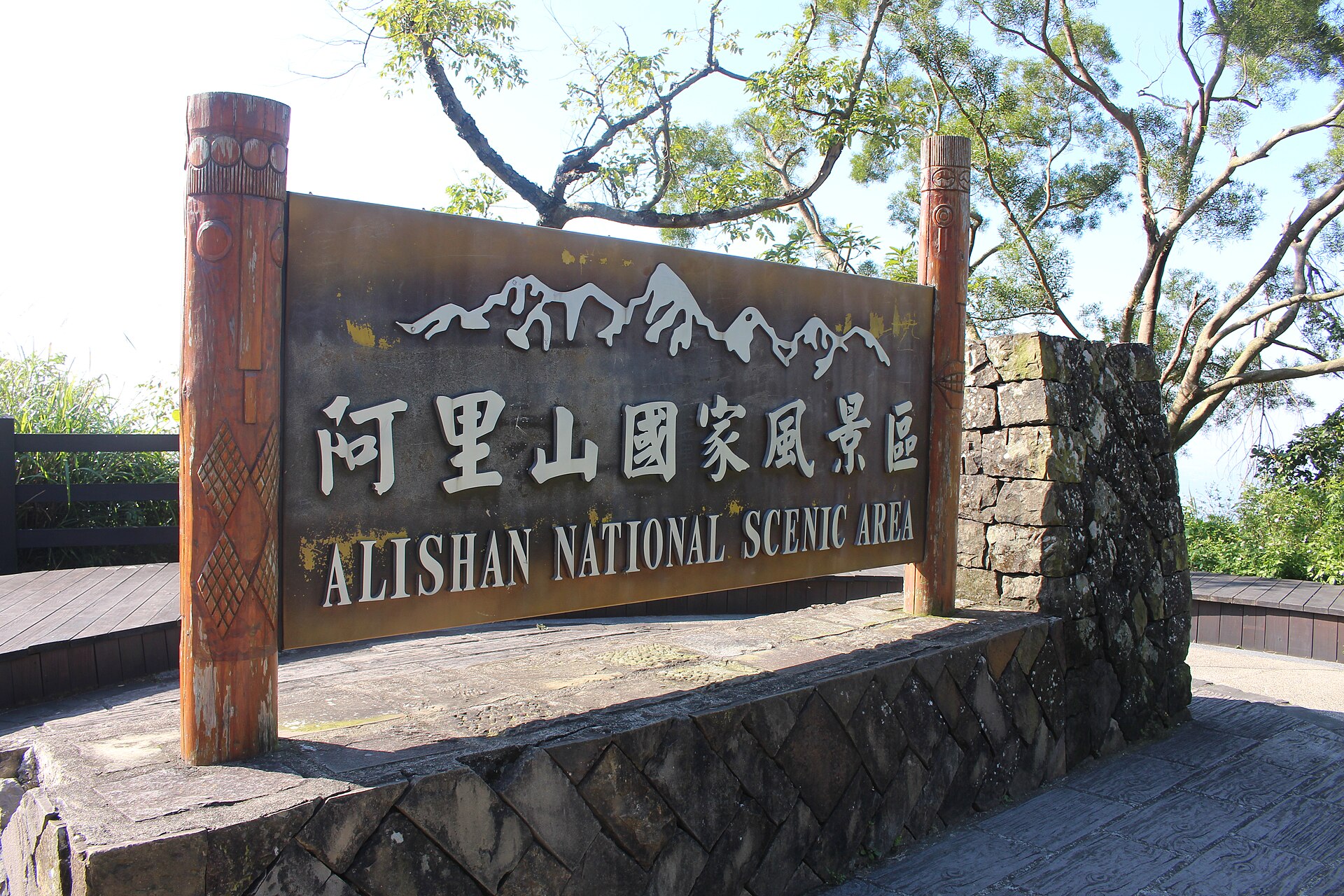
Alishan National Scenic Area is one of those rare places in Taiwan where nature seems to have deliberately gathered its finest elements to craft something entirely unique. Tucked away in the central mountains of the island, the park spans over forty thousand hectares, encompassing dense forests, deep valleys, towering peaks, and even small settlements where Indigenous communities still live. There’s no trace of the hustle found in Taiwan’s cities here—just the scent of pine, damp earth, and woodsmoke lingering in the air, a fragrance that stays with you long after you’ve left.
The name Alishan often translates to "the land of clouds," and it’s no exaggeration. Perched at elevations ranging from a thousand meters at its lowest to over three thousand at its highest, the area is almost perpetually shrouded in mist. These clouds drift through the forests, parting now and then to reveal sweeping views of valleys and distant mountain ranges. The effect is most striking at dawn, when the first light of the sun filters through the haze, painting the landscape in soft golds and pinks. It’s a spectacle that draws both locals and travelers, worth waking up before sunrise to witness.
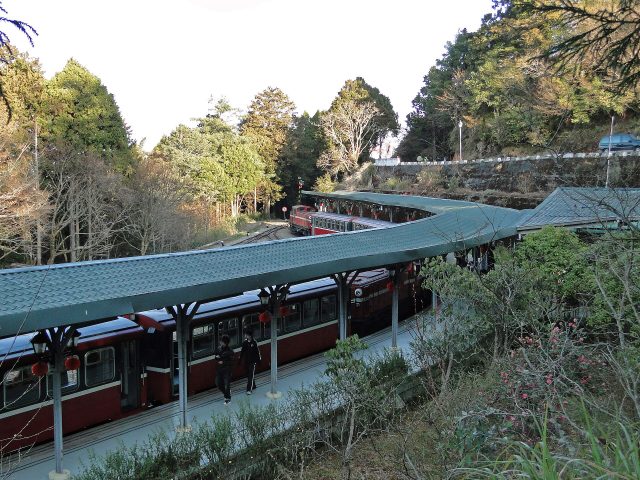
The history of Alishan is deeply intertwined with the island’s forests. In the late 19th century, during Japan’s occupation of Taiwan, the region became a center for logging, with ancient cypress and other valuable trees being felled on a massive scale. To transport the timber, the Japanese built a narrow-gauge railway, which still operates today and remains one of the park’s most iconic attractions. Riding the vintage steam or diesel trains along the winding mountain tracks isn’t just a way to get from one place to another—it’s a journey back in time. The railway climbs to over two thousand meters, passing through tunnels and over bridges that offer breathtaking views of the surrounding wilderness.
The forests of Alishan are a world unto themselves, where silence and cool air prevail even in the height of summer. Towering Taiwanese cypress trees, some over two thousand years old, dominate the landscape. Their massive trunks, draped in moss and lichen, stretch several meters wide, while their canopies reach toward the sky. The park is crisscrossed with trails leading to some of its most stunning spots—waterfalls, mountain lakes, and viewpoints. One of the most popular routes takes visitors to Zhijing Lake, a serene body of water surrounded by dense forest, its surface mirroring the peaks above. Walking these paths, it’s easy to forget the outside world, to feel as though you’ve stepped into a place untouched by time.
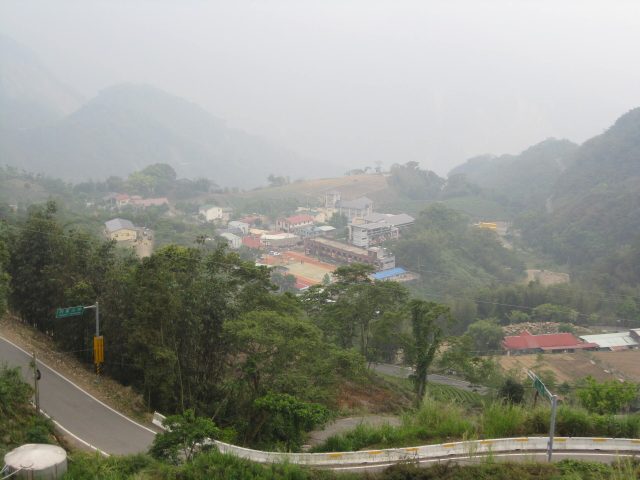
While Alishan is primarily a natural reserve, it’s also home to small settlements where life moves at a slower, more deliberate pace. The most well-known of these is Alishan Village, nestled at around two thousand meters above sea level. It’s a place where visitors can stay overnight, sample local cuisine, and soak in the atmosphere of a mountain retreat. The village retains a few buildings from the Japanese colonial era, along with modest guesthouses and teahouses serving leaves grown on nearby plantations. There are no luxury resorts here, and that’s part of what makes Alishan special—everything is designed to coexist with the landscape rather than overshadow it.
The Indigenous peoples of Alishan are another vital part of its story. The Tsou and Bunun communities, who have lived in these mountains for centuries, still call the region home. Their culture is deeply connected to the land, with traditions rooted in reverence for the mountains, forests, and spirits they believe inhabit them. Some communities offer guided tours and workshops where visitors can learn about traditional crafts, music, and dance. Meeting the locals provides a different perspective on Alishan—not just as a scenic destination, but as a place that holds deep meaning for those who have lived here for generations.
Alishan transforms with the seasons. In spring, rhododendrons and cherry blossoms bloom, filling the air with sweetness. Summer brings lush greenery and evening mists that roll through the valleys. Autumn turns the forests into a tapestry of gold and crimson, while winter occasionally dusts the highest peaks with snow—a rare sight in Taiwan. Each season paints the landscape in new hues and moods, ensuring that even repeat visitors discover something fresh with every trip.
A visit to Alishan is more than just a hike through the woods or a ride on a historic train. It’s an opportunity to slow down, to step away from the noise of daily life and simply be in nature. Unlike some of Taiwan’s more crowded destinations, Alishan offers solitude, with the only sounds being birdsong and the rustle of wind through the trees. Perhaps that’s why it draws people in—the chance to not just see the beauty of the natural world, but to feel its rhythm, so different from the pace of urban life.