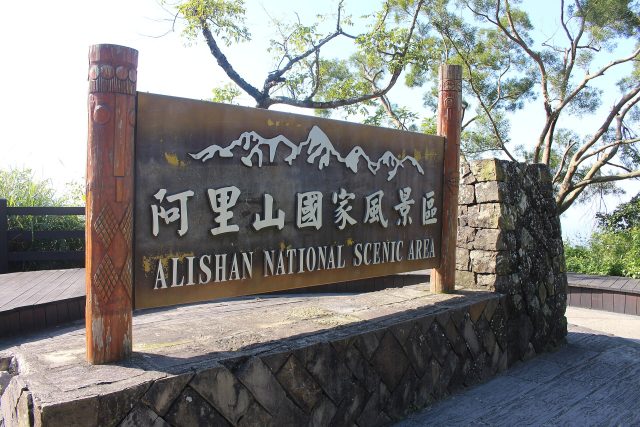
Alishan is a place where time moves differently, as if the mountain itself has its own rhythm. Rising above the clouds in central Taiwan, it feels like a world apart, wrapped in mist and dense forests. The air carries the scent of damp earth and pine, while the only sounds breaking the silence are the rustle of leaves and the distant call of birds. For generations, it has been a sacred site for the island’s indigenous peoples, and for travelers, a refuge from the pace of modern life—a place where nature’s quiet power is impossible to ignore.
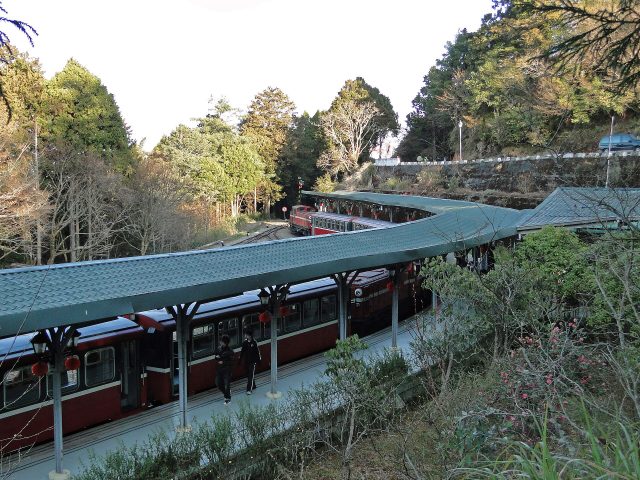
The mountain’s history is deeply tied to the island’s past. Long before outsiders arrived, the Tsou people revered Alishan as a spiritual home, a place where the land and its spirits were one. In the late 19th century, during Japan’s occupation of Taiwan, the mountain’s vast forests drew attention. The Japanese built a narrow-gauge railway to transport timber, a feat of engineering that still stands today. Riding the old train through towering cryptomeria trees feels like stepping into another era. The tracks wind through the mountains, offering glimpses of valleys and peaks that make the journey as memorable as the destination itself.
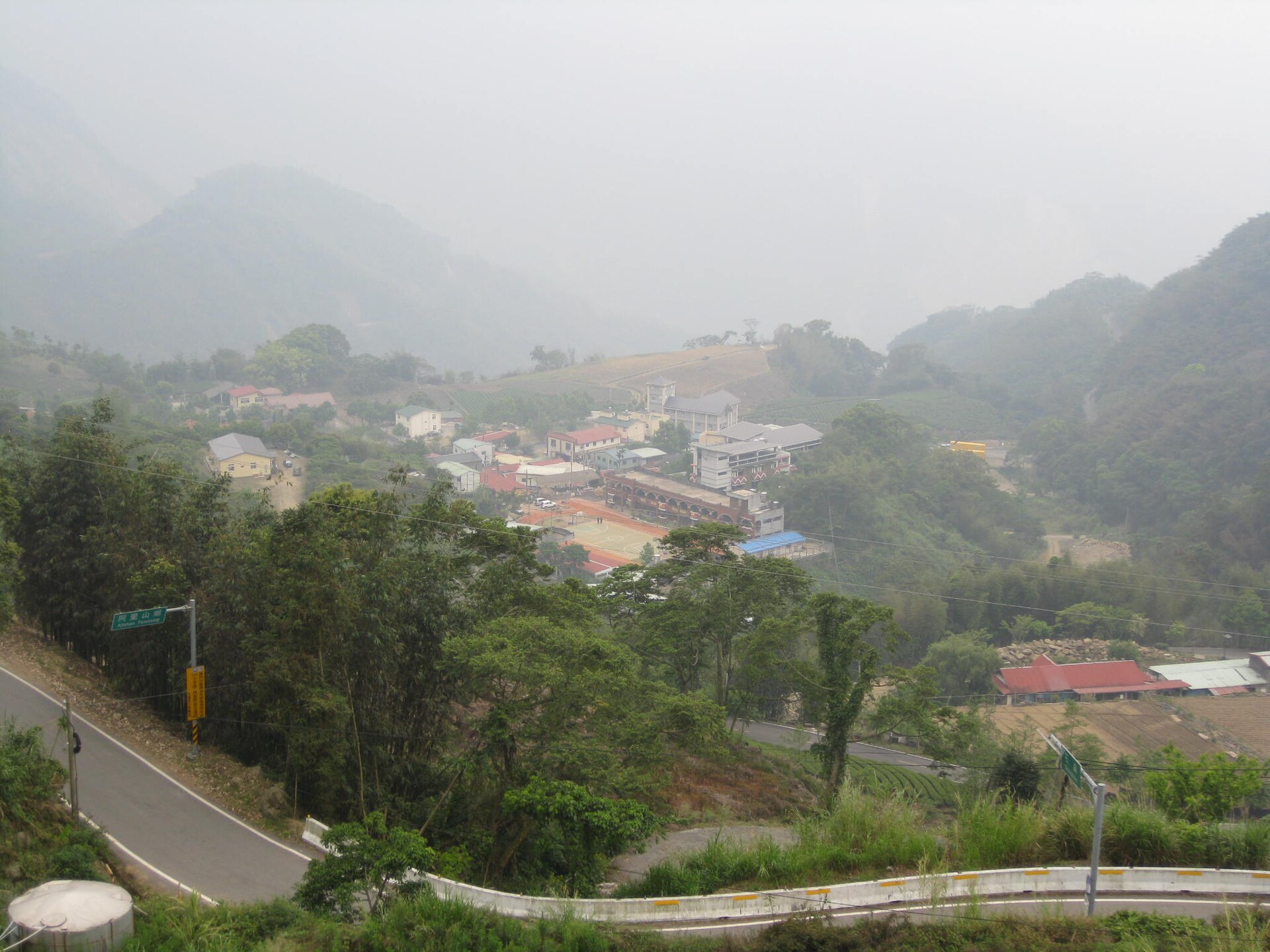
The architecture of Alishan reflects its layered history. The small village at the mountain’s base still holds wooden houses built in the Japanese style, once home to loggers and railway workers. Some have been converted into guesthouses and cafes, their weathered wood and sliding doors preserving a sense of the past. Nearby, the old sawmill stands as a reminder of the mountain’s logging days, where massive trees—some with trunks several meters wide—were once processed. Scattered around the area are small shrines where locals and visitors leave offerings, a quiet acknowledgment of the mountain’s enduring spiritual presence.
The real magic of Alishan lies in its forests. Here, some of Taiwan’s oldest and tallest trees stand, including cryptomeria that have witnessed centuries pass. Walking the trails feels like entering a living cathedral, where sunlight filters through the canopy in shifting patterns. The trees, with their gnarled roots and towering trunks, cast long shadows that seem to tell their own stories. One of the most striking views comes from the Zhushan viewing platform, where at dawn, the sea of clouds below slowly lifts to reveal the valleys hidden beneath. It’s a moment that feels almost unreal, as if the mountain is revealing a secret.
Beyond its natural beauty, Alishan is a place where tradition still thrives. Descendants of the Tsou people live in the surrounding villages, keeping alive the customs of their ancestors. In some communities, visitors can witness traditional dances or hear songs that have been passed down through generations, often telling stories of the mountain’s spirits. These tales add a layer of mystery to Alishan, making it more than just a scenic destination. It’s a place where the line between myth and reality blurs, where the past feels very much alive.
The climate in Alishan is mild year-round, making it a pleasant escape no matter the season. Summers are cool, winters gentle, and the weather can shift quickly—sunshine giving way to mist, or a light rain turning into a sudden breeze. This unpredictability only adds to the mountain’s charm, ensuring that no two visits are ever the same. Spring brings blooming rhododendrons, while autumn paints the forests in shades of gold and crimson, each season offering its own version of Alishan’s beauty.
For those who want to stay longer, the village offers a mix of accommodations, from simple guesthouses to more traditional lodgings in repurposed Japanese-era buildings. Many have views of the mountains, and breakfast often includes local specialties like fresh fruit, tea, and baked goods. The pace here is slow, encouraging visitors to take their time—whether hiking the trails, renting a bike, or simply sitting on a bench to watch the clouds drift by. There’s no rush in Alishan; the mountain sets the rhythm, and it’s best to follow along.
What makes Alishan special is its ability to make the outside world feel distant. There are no crowds, no traffic, no constant hum of activity. Instead, there’s the quiet rustle of leaves, the occasional call of a bird, and the sense of being somewhere untouched. It’s a place where you can step away from the noise of daily life and reconnect with something simpler. Whether you come for a day or stay for longer, Alishan leaves an impression—not just of its landscapes, but of the way it makes you feel. And that’s why people keep coming back.