Benghazi’s Al-Berka Market is where the city shows itself as it is—no polished facades, no staged charm. It’s a place that has served the city’s daily needs for generations. Here, you’ll find fresh produce stacked in pyramids, spices in burlap sacks, bolts of fabric in every color, and the scent of coffee mixed with herbs and roasting nuts.
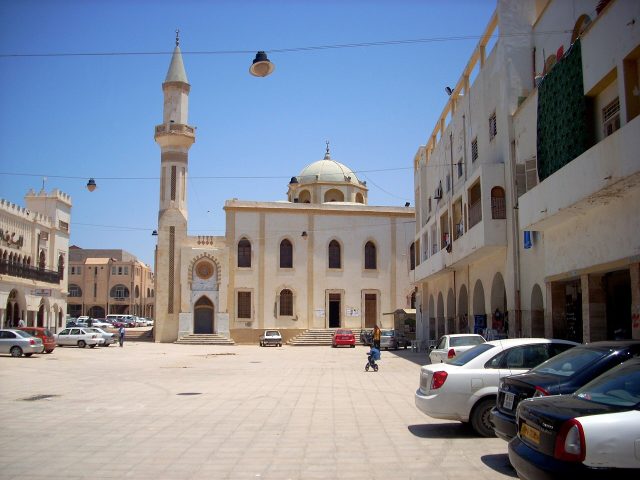
Al-Berka sits in the old quarter, where narrow streets twist into small squares. The buildings, with their weathered facades, suggest a time when the city was smaller. Unlike modern malls, this market is crowded, loud, and unstructured. Stalls press against one another, leaving little room to pass, but this density gives the place its character. There’s no grand design, just the way commerce has worked for centuries.
The market wakes before dawn. By first light, farmers and traders from nearby villages unload crates of tomatoes, eggplants, and melons. Fishmongers arrive with the night’s catch, their stalls lined with sardines and sea bass. Bakers pull trays of golden bread from wood-fired ovens, the scent of yeast cutting through the morning chill. By seven, the market is busy—vendors call out prices, shoppers haggle over dates, and children dart between legs.
Spices are a highlight. They’re sold in bulk, piled high in sacks, with vendors offering turmeric, cumin, cardamom, and chili flakes. You can buy as much or as little as you like, scooping them into paper cones after bargaining. Nearby, dried herbs—mint, thyme, rosemary—hang from hooks, their fragrance sharp and earthy. The scents linger on clothes and skin long after you leave.
The textile section offers bolts of fabric stacked to the ceiling: linen for everyday wear, silks for special occasions, wool for cooler months. Women buy material for traditional dresses, running their fingers over patterns as they choose between colors. Men look for cloth to be tailored into galabeyas. Some stalls sell ready-made goods—embroidered shawls, handwoven baskets, quilts with geometric designs. It’s where craftsmanship and identity are on display.
Al-Berka is more than a market. It’s where old friends meet over small cups of coffee, where neighbors catch up on gossip, and where the day’s news is discussed between haggling over olives. In the cafés between stalls, elderly men sit for hours, talking about politics, weather, or football. Younger crowds gather around food vendors, eating pastries stuffed with spiced meat or drinking pomegranate juice. Time moves slowly here, without rush.
The market’s history goes back to when Benghazi was a modest port, a stopover for traders between North Africa and the Levant. Even then, Al-Berka was the city’s heart, where deals were made and news exchanged. Through colonial rule and political changes, the market remained. It wasn’t just a place to buy and sell—it was a constant, a reminder that life continues.
Today, modern supermarkets have taken some of Al-Berka’s business, but it hasn’t lost its relevance. There are no fluorescent lights or self-checkout kiosks—just the way trade has always been. Vendors know their regulars by name. Customers trust the butcher who’s cut their meat for decades. The market sells more than goods; it sells connection and belonging.
Visiting Al-Berka isn’t like visiting a tourist attraction. There’s no script, no guided path. You wander, get lost, and stumble upon things—a stall selling saffron, a debate over honey prices, a child helping their grandmother pick figs. These unplanned moments reveal the market’s magic. This is Benghazi as it is. The voices, the smells, the stories—they make the place real. If you let yourself be drawn in, you’ll leave with more than a bag of spices or fabric. You’ll leave with a piece of the city.