
Benghazi
Libya · 8 places
Photo: Dennixo, CC BY-SA 3.0
Benghazi
Benghazi doesn’t reveal itself all at once. Stretched along the Gulf of Sidra, where the Mediterranean meets the desert, the city carries this duality in its salt-laced winds, its architecture, even the rhythm of daily life. Wide waterfront promenades line the shore—old men play dominoes under the shade of palm trees while fishermen mend their nets, preparing for the evening’s work. The pace is slow, deliberate.
The old Berenice quarter holds narrow lanes where houses with carved wooden balconies stand. These balconies bear marks of generations who lived here before.
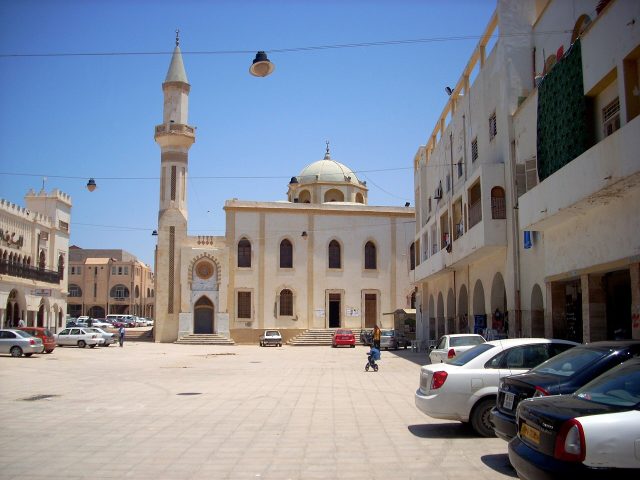
Often called the gateway to Cyrenaica, Benghazi sits at the edge of a region that was once the heart of Greek and Roman civilization. The ruins of Cyrene lie nearby, but the city itself is steeped in history. The Al-Atik Mosque, built in the 7th century, stands in the center. Italian colonial buildings from the early 20th century remain scattered through the city. These layers of time exist side by side.
Benghazi is a vital economic and cultural hub in eastern Libya. Universities, theaters, and cafés fill its streets. Markets like Souq al-Jareed sell fresh fish, spices, and traditional Libyan sweets. By evening, the air carries the scent of grilled meat and the sound of Arabic music. A small contemporary art gallery hides here, a jazz club there—no fanfare, just the city’s quiet rhythm.
Benghazi doesn’t offer flashy attractions or polished tourist infrastructure. There are no crowds, just the chance to see Libya as it is. The sea here isn’t the turquoise of postcards—waves crash against the docks, fishing boats return at dawn, and sunsets turn the sky pink and violet. The city doesn’t perform for visitors. It simply exists—alive, layered, a little rough, and all the more real for it.
See & Do
All of them
Places on the map
Marker colour follows the categoryClimate and weather
Detailed weather: Benghazi- Average temperature
- 21 °C
- Precipitation per year
- 242 mm
- Sunshine hours per day
- 10.1 h
Average air temperature
°C
13
13
16
20
24
26
28
28
26
23
20
15
Jan
Feb
Mar
Apr
May
Jun
Jul
Aug
Sep
Oct
Nov
Dec


